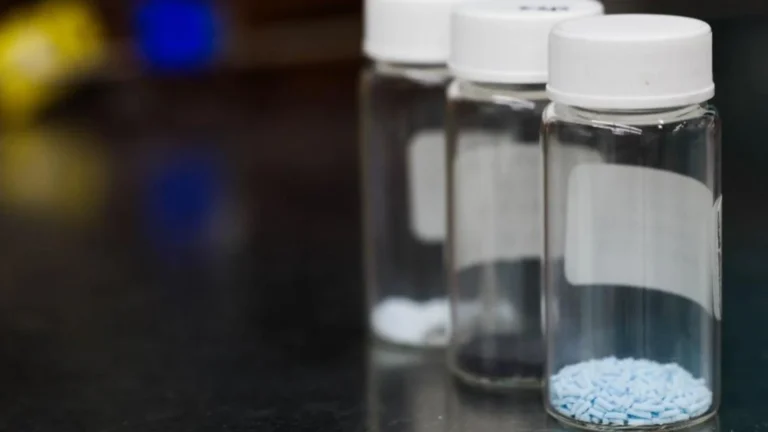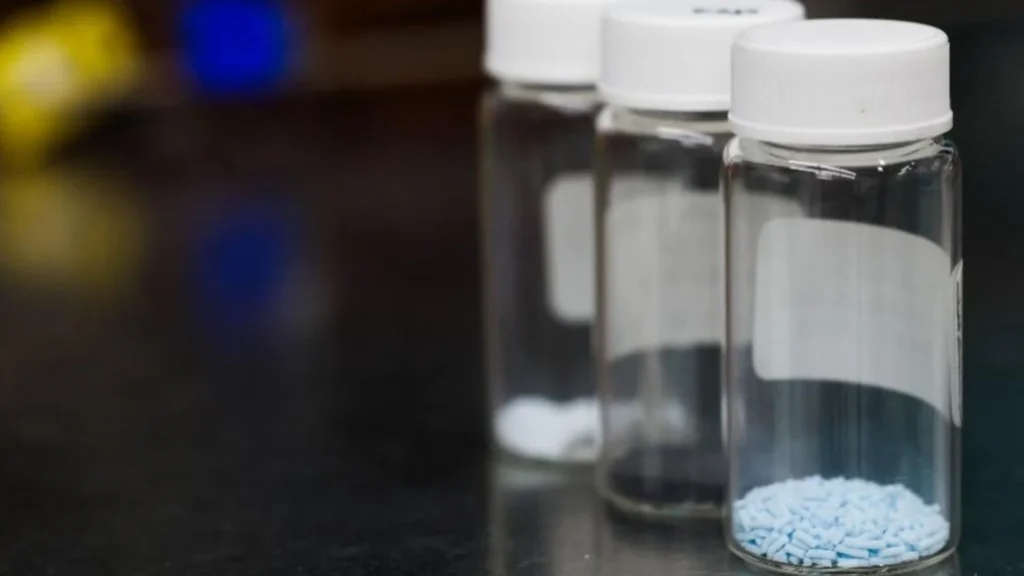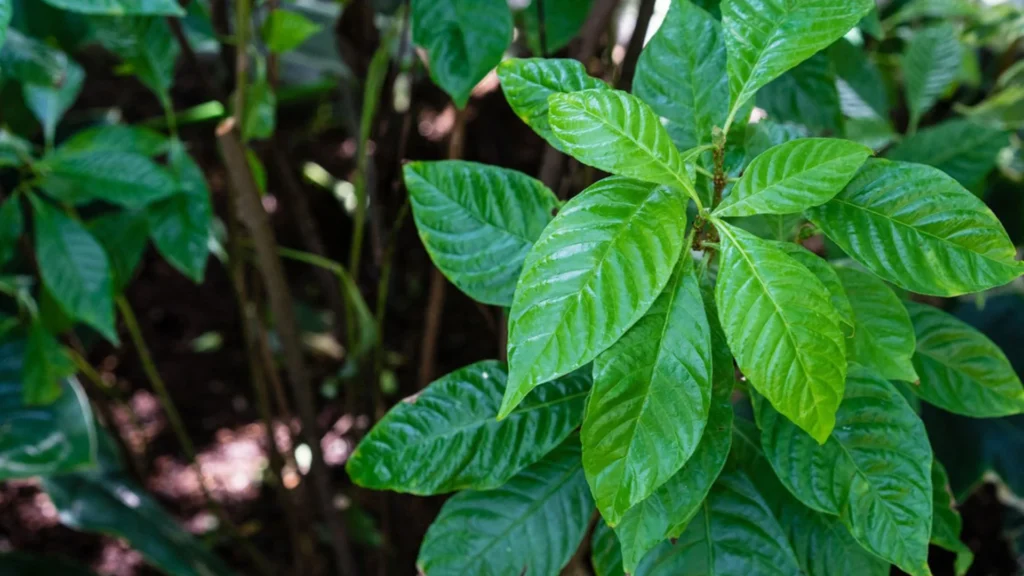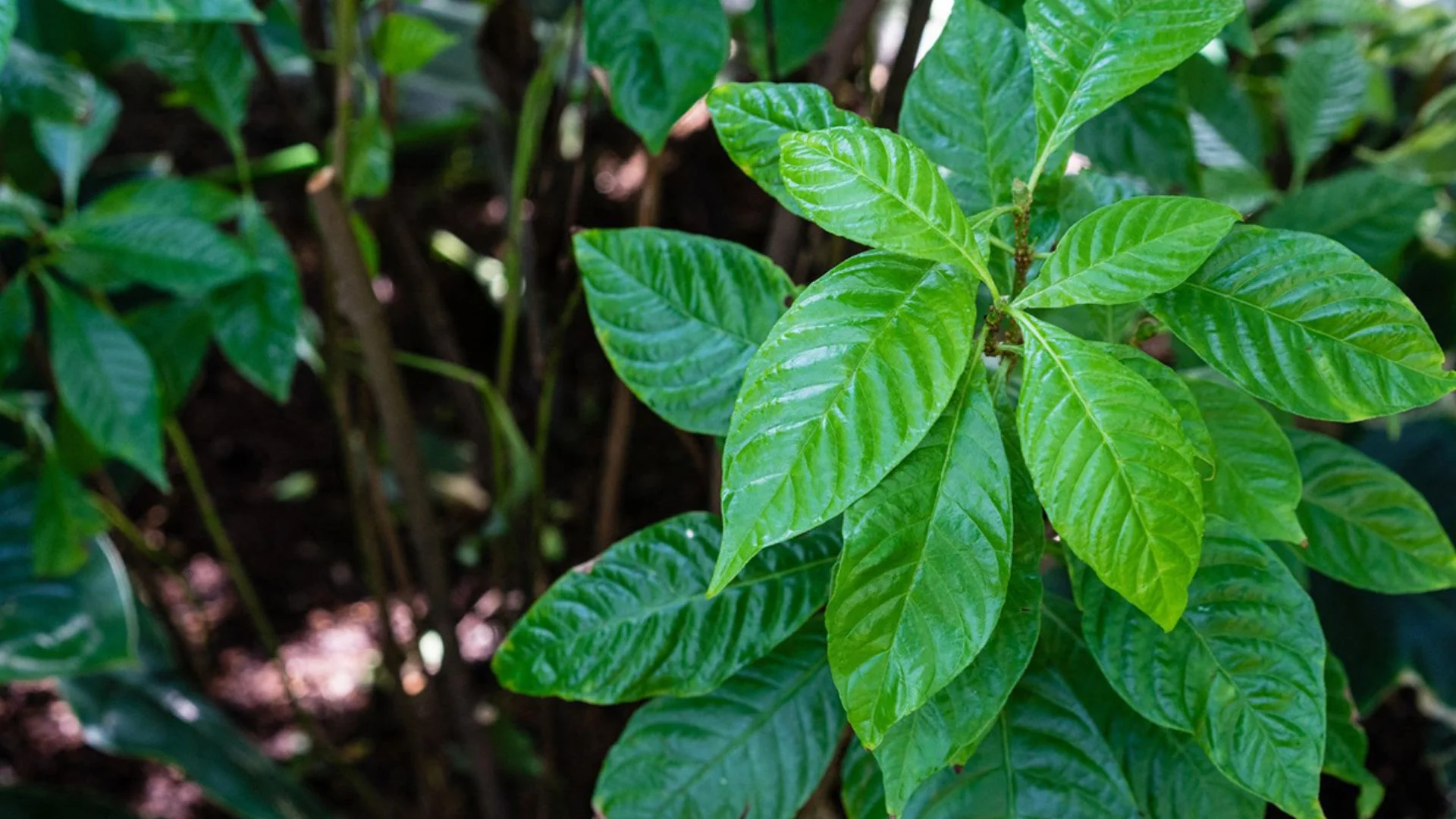
In a striking experiment that pushes the limits of modern biotechnology, scientists have genetically modified a common tobacco plant to produce not one but five psychoactive compounds simultaneously.
The study, published in the journal Science Advances, was led by researchers from the Weizmann Institute of Science. Their work brings together compounds that are usually found in organisms as diverse as fungi, plants, and even animals.
The modified plant produces psilocin and psilocybin, which are typically found in magic mushrooms. It also produces dimethyltryptamine (DMT), a powerful psychedelic associated with the ayahuasca plant. Alongside these, the plant generates bufotenin and 5-methoxy-DMT, substances naturally secreted by the Sonoran Desert toad.
In simple terms, researchers have created a single plant that crosses natural biological boundaries. Compounds from different kingdoms of life now exist together inside one leaf.
READ ALSO: Beyond Power: China’s Space Solar Plan Signals Military Control and Surveillance Shift
“This combination of five psychedelics, I don’t think anyone has ever tried something like it,” said researcher Asaph Aharoni, highlighting the uniqueness of the experiment.
To achieve this, scientists inserted specific genes that encode these compounds into tobacco plant leaves. These genes belong to a group of chemicals called tryptamines, known for their hallucinogenic effects. Despite the experiment’s dramatic nature, the goal is not recreational use.
Co-lead researcher Paula Berman emphasized that the focus is on science and medicine. She explained that these compounds have shown promise in treating mental health conditions. For example, studies have suggested that psilocybin therapy may help people suffering from depression.
Researchers believe that producing such compounds in plants could offer a more sustainable and ethical alternative to current methods.
Today, many of these substances are sourced from natural organisms. This includes rare plants and even animals that are increasingly under pressure due to demand. The Sonoran Desert toad, for instance, faces threats from habitat loss and overcollection. Similarly, plants like Psychotria viridis, used in ayahuasca, are affected by environmental damage and rising tourism demand.
WATCH ALSO: U.S. lab advances demo microreactor as Project Pele gets nuclear fuel
The study notes that lab-based production can also be complex and time-consuming. By engineering plants, scientists hope to simplify the process while reducing harm to natural ecosystems.
“While the concentrations achieved are lower than those in natural sources, our platform offers a cruelty-free and ecological alternative,” the researchers wrote in the paper.
However, the experiment is still at an early stage. The amount of each compound produced in the tobacco plant is very small, much lower than what is found in natural organisms. This means the plant is not practical for real-world use at this point.
“There’s novelty here, but not much practicality yet,” said Andrew Jones from Miami University, who was not involved in the study but described it as exciting.
READ ALSO: IIT Gandhinagar Simplifies Flexible Robot Control with Low Computation
The researchers also took an important safety step. The modified traits are not passed on to the plant’s seeds. This means future generations of the plant will not automatically produce these compounds.
This decision reduces the risk of such plants spreading beyond controlled environments.
“In one leaf, we get five different psychedelics from three different kingdoms,” Aharoni explained. “But it will not go to the next generation.”
This controlled approach shows that the experiment is more about understanding biology than creating something for widespread use.
Scientists are also interested in a deeper question: why do these compounds exist in nature at all? The role of such chemicals in plants and animals is still not fully understood and remains a topic of ongoing research.
WATCH ALSO: Rolls-Royce tests world’s first high-speed marine engine powered by methanol
For now, the so-called ‘trippy tobacco’ remains a laboratory curiosity. It represents how far genetic engineering has come, showing that scientists can now combine complex traits from entirely different life forms into a single organism.
At the same time, it raises questions about ethics, safety, and future applications. Whether this research leads to new medicines or remains a scientific milestone, one thing is clear: the boundaries between biology, chemistry, and technology are becoming increasingly blurred.