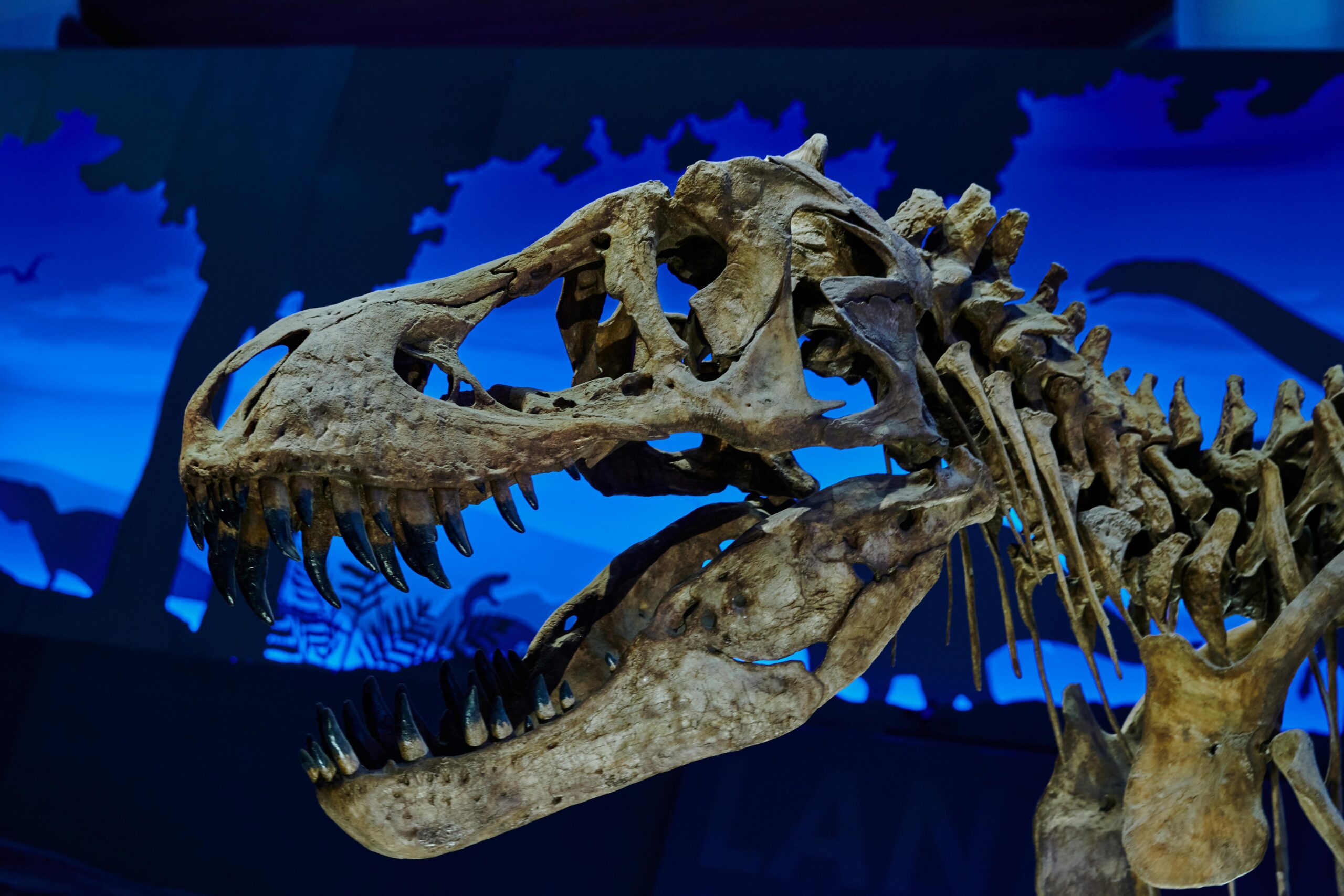
Researchers co-led by the University of Minnesota have discovered a near-complete dinosaur fossil that provides the missing link for a mysterious group of prehistoric animals. The 90-million-year-old skeleton, found in Argentina, helps explain how tiny bird-like dinosaurs evolved and spread across the ancient world.
The fossil belongs to Alnashetri cerropoliciensis, a member of the alvarezsaurs—bird-like dinosaurs known for their tiny teeth and stubby arms ending in a single large thumb claw. For decades, these creatures remained puzzling because most well-preserved fossils came from Asia, while South American finds were too fragmented to interpret.
Professor Peter Makovicky from the University of Minnesota’s Department of Earth and Environmental Sciences co-led the team with Argentinean researcher Sebastian Apesteguía. The almost complete skeleton was discovered in 2014 at the La Buitrera fossil site in northern Patagonia, a location famous for its exceptional Cretaceous-era specimens. The team spent ten years carefully preparing the fossils to avoid damaging the small bones.
READ ALSO: https://modernmechanics24.com/post/robots-replace-scientists-catalyst-labs/
The mystery of alvarezsaurs stemmed from incomplete evidence. Without a complete skeleton, scientists could not understand how these animals evolved or how they related to each other across different continents. The new specimen changes that by providing a clear reference point.
Unlike its later relatives, Alnashetri had long arms and larger teeth. This proves that some alvarezsaurs became tiny long before they developed specialized features like the single large claw, which later species likely used for eating ants. Microscopic bone analysis confirmed the animal was an adult at least four years old and weighed less than two pounds, making it one of the smallest dinosaurs known from South America.
By using the complete Alnashetri skeleton as a reference, the team re-examined other fragmentary fossils in museum collections from North America and Europe. They proved these animals originated much earlier than expected, when the continents were still connected as the supercontinent Pangaea. Their spread happened because of continental breakup, not ocean crossings.
The La Buitrera site continues to yield scientifically important animals, including primitive snakes and tiny saber-toothed mammals. “After more than 20 years of work, this area has given us a unique insight into small dinosaurs like no other site in South America,” Apesteguía said.
WATCH ALSO: https://modernmechanics24.com/post/wing-expands-walmart-drone-delivery/
The researchers have already found more specimens from the same area. “We have found the next chapter of the alvarezsaurid story there, and it is in the lab being prepared right now,” Makovicky added.
This discovery rewrites the evolutionary history of one of the strangest dinosaur groups. It shows that these tiny creatures were widespread across the ancient supercontinent and evolved their unusual features over millions of years as continents drifted apart.