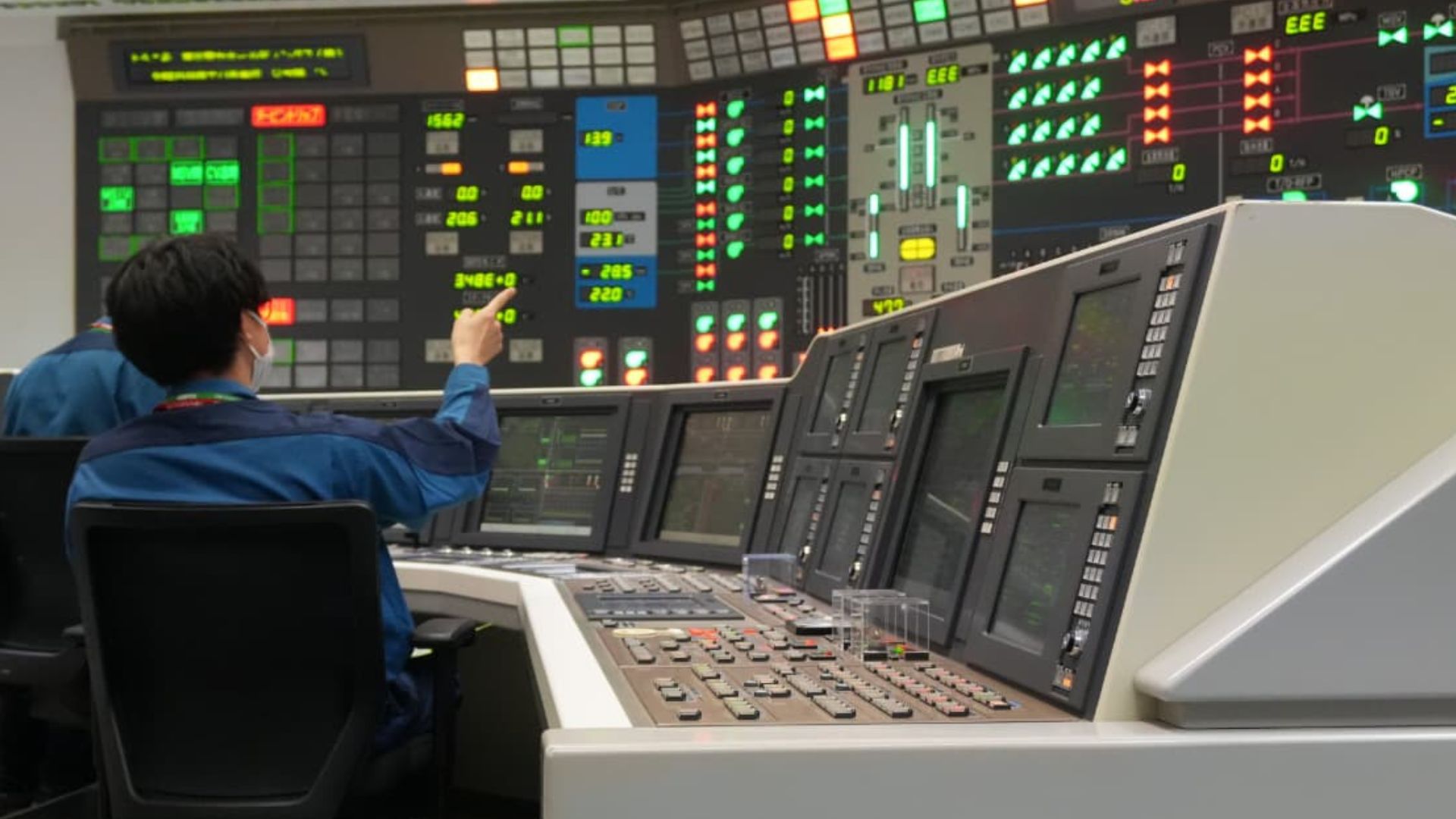
Tokyo Electric Power Company (TEPCO) restarted the No.6 reactor at the Kashiwazaki-Kariwa nuclear power plant in Niigata Prefecture after resolving an alarm-related issue that forced a temporary shutdown last month.
The reactor was first reactivated on January 21. However, about 29 hours later, it automatically shut down when an alarm sounded during the extraction of control rods. The suspension lasted 17 days while engineers investigated the problem.
TEPCO later identified the cause as a fault in the alarm settings within a device used to move one of the control rods. The company said it corrected the settings and implemented additional safety measures before proceeding with the restart.
The utility reactivated the reactor at 2 p.m. on Monday. Later that day, TEPCO confirmed that the reactor had reached criticality. That means it achieved a self-sustaining nuclear chain reaction. TEPCO plans to gradually increase output in stages. The company aims to begin full-scale power generation and transmission to the grid on February 16.
The reactor will then undergo a week-long shutdown in late February for inspection ahead of its planned commercial operation on March 18. That schedule is about 20 days later than originally planned.
READ ALSO: https://modernmechanics24.com/post/gwr-uk-first-battery-passenger-train/
Kashiwazaki-Kariwa No. 6 marks the first reactor that TEPCO has reactivated since the 2011 Fukushima Daiichi nuclear disaster. The Fukushima accident, triggered by a massive earthquake and tsunami, reshaped Japan’s nuclear policy and led to the shutdown of all reactors across the country for safety reviews.
The head of the Kashiwazaki-Kariwa plant, Inagaki Takeyuki, addressed concerns earlier. He said, “We will continue to carry out careful checks should any further problem take place in the future.” His statement reflects TEPCO’s cautious approach amid high public scrutiny.
Kashiwazaki-Kariwa Plant
The Kashiwazaki-Kariwa nuclear power plant is one of the largest nuclear power stations in the world in terms of total output capacity. It is located along the Sea of Japan coast in Niigata Prefecture. The plant has seven reactors and a combined generating capacity of more than 8,000 megawatts when fully operational.
Construction began in the late 1970s during Japan’s push to secure stable energy supplies. As a country with limited natural resources, Japan invested heavily in nuclear power after World War II to reduce dependence on imported fossil fuels.
WATCH ALSO: https://modernmechanics24.com/post/youtuber-bottles-lightning/
The plant also survived a major test in 2007 when a powerful earthquake struck the region. Although some equipment was damaged and operations were suspended, no serious radiation release occurred. The incident led to stricter safety standards and seismic reinforcements.
Connection to World War II
Japan’s nuclear energy journey cannot be separated from its World War II history. The atomic bombings of Hiroshima and Nagasaki in 1945 left a lasting impact on the nation. After the war, Japan adopted a pacifist constitution and pledged to use nuclear technology only for peaceful purposes.
In the 1950s and 1960s, with support from international partners under the “Atoms for Peace” initiative, Japan developed its civilian nuclear energy program. Plants like Kashiwazaki-Kariwa symbolize that transition from a nation devastated by nuclear weapons to one that harnessed nuclear science for electricity generation.
The development of large-scale nuclear facilities also positioned Japan as a major player in the global nuclear industry. Japanese companies became leaders in reactor design, engineering, and safety technology.
READ ALSO: https://modernmechanics24.com/post/china-first-humanoid-robot-for-autism/
Global Impact of Reactor Restart
The restart of Kashiwazaki-Kariwa No.6 carries significance beyond Japan. As countries reassess their energy strategies amid climate concerns and energy security challenges, nuclear power is gaining renewed attention.
Japan’s ability to safely restart reactors after Fukushima could influence global confidence in nuclear energy. If TEPCO demonstrates stable, secure operations, it may encourage other nations to extend the lifespans of aging reactors or invest in new ones.
The plant’s operation also affects global uranium markets, reactor technology suppliers, and energy trade flows. Japan remains one of the world’s largest energy importers. Increasing domestic nuclear generation can reduce its reliance on liquefied natural gas and coal imports, indirectly influencing global fuel demand.
However, Japan’s nuclear industry operates under intense global observation because of its history with both wartime atomic bombings and the Fukushima disaster.
The phased increase in output and scheduled inspections by TEPCO reflect lessons learned over decades. Public trust and international credibility depend on strict compliance and transparency.
As Kashiwazaki-Kariwa returns to operation, it represents more than a power plant restart. It stands at the intersection of Japan’s wartime past, postwar reconstruction, and the evolving future of global nuclear energy.