A Moscow-based neurotechnology startup has sparked global debate after revealing a system that turns live pigeons into guided aerial platforms using implanted neural chips.
Taking a big step toward animal-machine hybrids, the company, Neiry, says the technology is designed for civilian use in areas where conventional drones struggle.
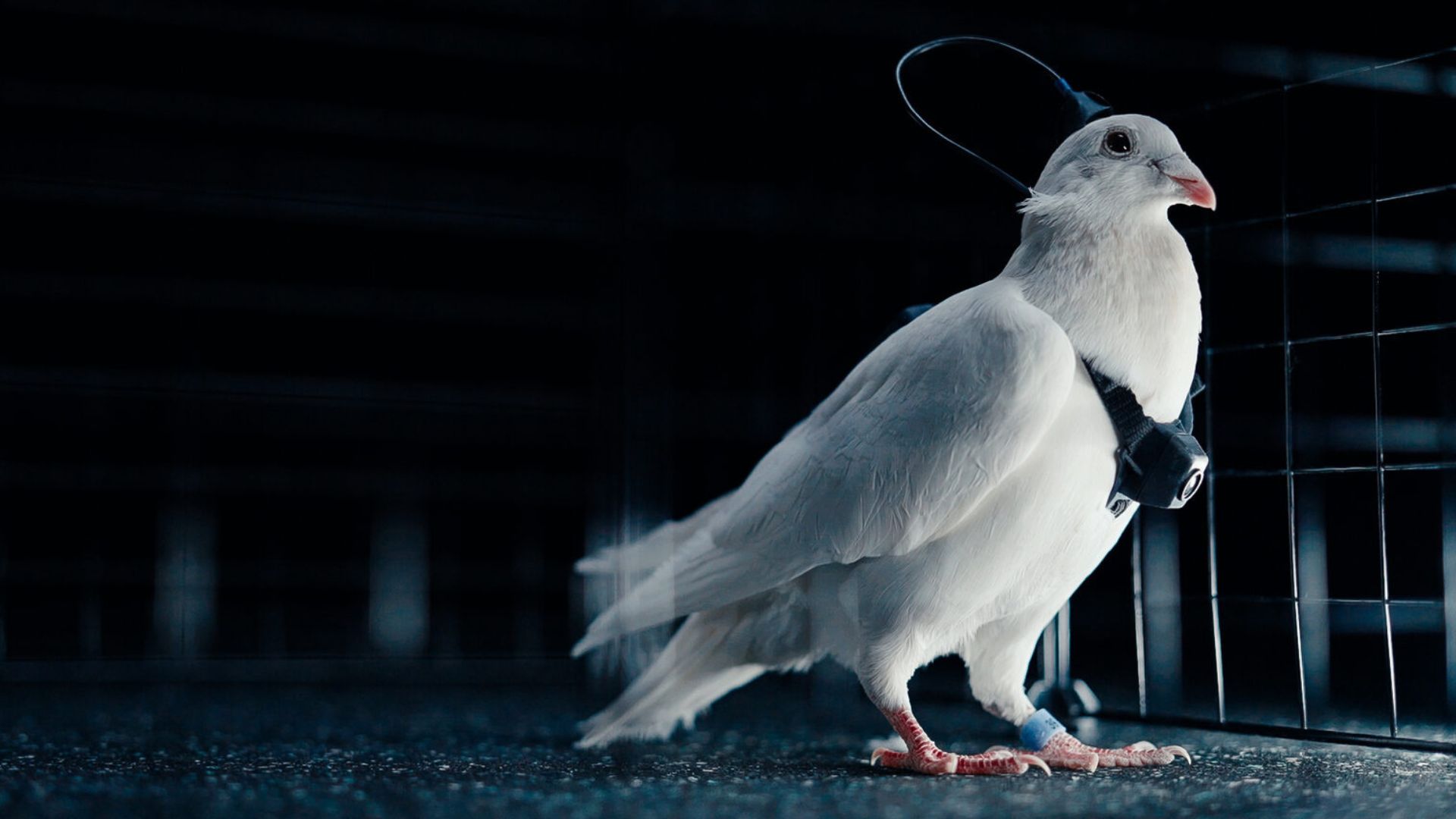
The project, named PJN-1, uses live birds equipped with tiny electrodes implanted in specific regions of the brain. These electrodes are connected to a lightweight control unit placed on the bird’s head. The system allows operators to gently influence the bird’s direction during flight using mild electrical signals.
According to Neiry, early real-world tests were conducted in late 2025 in Russia and parts of the CIS region. During these trials, pigeons flew controlled routes and returned safely to their base. The company claims a 100 percent survival rate for surgeries performed to date.
READ ALSO: https://modernmechanics24.com/post/batteries-from-rust-iron-oxide-carbon/
The implantation process uses a precision surgical frame that helps doctors place microscopic electrodes without damaging surrounding tissue. After the procedure, the bird does not require special training. Operators can guide it immediately once the system is activated.
Each pigeon carries a small backpack that houses electronics, including a navigation module, a data transmitter, and a power system. Solar panels mounted on the bird’s back help extend operational time. A small chest-mounted camera records video during flight. The camera is similar to those already used in public surveillance systems.
The birds are also equipped with GPS trackers. This allows operators to monitor location, distance, and route in real time. Directional control is achieved by stimulating areas of the brain linked to movement preference. The bird otherwise flies naturally.
Neiry highlights several advantages of using birds instead of mechanical drones. Pigeons can travel long distances, often more than 300 to 400 kilometers a day, without needing battery replacement or frequent landings. They are also highly adaptable to weather and terrain.
WATCH ALSO: https://modernmechanics24.com/post/top-research-robot-new-ai-platform/
Because birds are a natural part of urban and rural environments, they attract little attention. This makes them suitable for long-duration observation tasks. They can also navigate narrow or complex spaces where drones may struggle.
The company says potential applications include inspecting pipelines and power lines, monitoring industrial zones, and supporting search-and-rescue operations. In disaster zones, birds could reach areas that are inaccessible to vehicles or UAVs.
Neiry founder Alexander Panov said the technology could also be adapted for other bird species. Ravens may be used for coastal monitoring. Seagulls or albatrosses could support ocean-based operations. The choice depends on payload capacity and flight range.
Neiry operates as an international deeptech company with offices in Moscow and Dubai. While neural interfaces in animals have been studied in academic research before, this study aims to move the concept into practical, real-world use.
READ ALSO: https://modernmechanics24.com/post/wood-scraps-turn-desert-sand-concrete/
According to the company, privacy concerns are addressed through on-device data processing. Identifiable details captured by cameras are filtered before transmission to comply with local regulations.
Outside of missions, the pigeons continue their normal routines. They are housed, fed, and monitored by trained handlers. Neiry states that animal welfare is a key part of the program.
Although Neiry promotes the system for civilian industries, experts note that such technology could raise ethical and surveillance concerns. The company acknowledges the debate but maintains that its focus remains on infrastructure, environment, and emergency response.
Neiry believes the system has strong market potential in countries like India and Brazil. These regions have vast infrastructure networks and remote areas where traditional drones face limits.
As the line between biology and technology continues to blur, Neiry’s pigeon-based platform marks a controversial but significant step in the future of aerial monitoring.