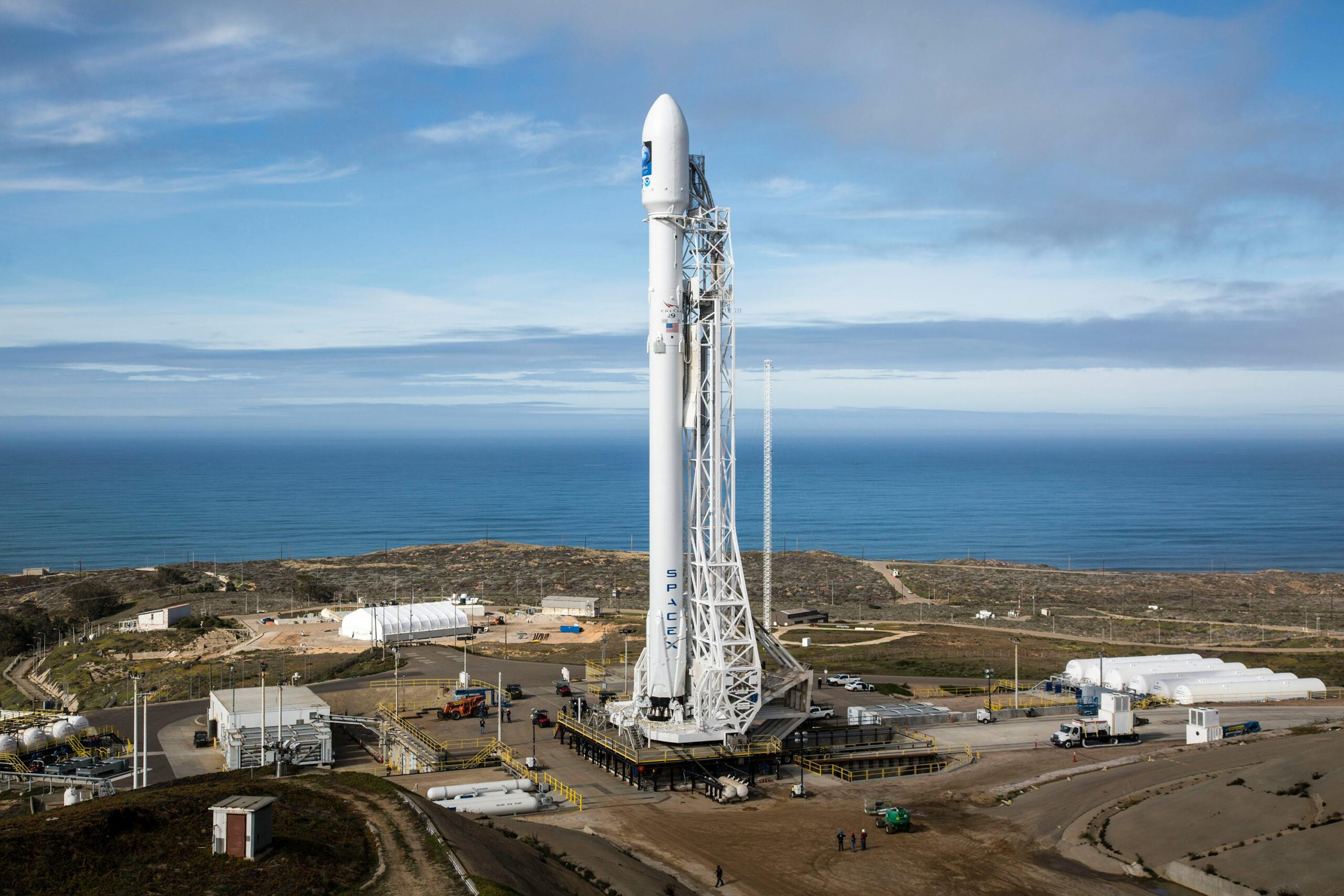
SpaceX executed a staggering 165 orbital rocket launches in 2025, shattering its own annual record for the sixth consecutive year and accounting for a massive 85% of all American orbital launches. This relentless cadence—averaging a launch nearly every other day—was powered entirely by the company’s reusable Falcon 9 fleet, fundamentally reshaping the global space industry.
Think about that number for a second. Just five years ago, in 2020, setting a record of 25 launches was headline news. Now, Elon Musk’s company has multiplied that figure by more than six, according to the company’s own flight logs. This exponential growth isn’t just a corporate achievement; it represents a wholesale transformation in how humanity accesses orbit, leaving other entities scrambling to keep pace. To put it in perspective, reported Spaceflight Now, SpaceX launched nearly twice as many orbital missions this past year as the entire nation of China.
The secret sauce, of course, is reusability. Of those 165 Falcon 9 flights, all but three ended with the rocket’s first stage attempting—and nearly always sticking—a landing. Two missions dedicated to hauling heavy communications satellites to high orbit required all the booster’s fuel, precluding a return. The only actual landing failure occurred in March after a post-touchdown fire on a drone ship. This focus on recovery isn’t just for show; it’s the economic engine behind the pace. In 2025 alone, SpaceX celebrated its 500th successful rocket landing and its 500th launch of a previously flown booster, milestones that were pure science fiction a decade ago.
READ ALSO: https://modernmechanics24.com/post/china-record-hypergravity-device/
What filled all those rockets? The primary driver was the continued expansion of Starlink, SpaceX’s globe-spanning internet constellation. A whopping 123 of the 165 launches were dedicated Starlink missions, ferrying upwards of 3,000 new satellites to join the now 9,300-strong active fleet. This unprecedented manufacturing and launch capability is single-handedly populating low-Earth orbit at a scale that ensures SpaceX’s own dominance in broadband services for years to come.
Beyond the Falcon 9’s record-shattering year, SpaceX continued developing the vehicle destined to eventually replace it: the colossal Starship. The company conducted five suborbital test flights of the stainless-steel megarocket in 2025, with the latter two in August and October being clear, complete successes. These flights are critical stepping stones toward a future where Starship handles orbital duties, with aspirations for missions to the Moon and, eventually, Mars.
WATCH ALSO: https://modernmechanics24.com/post/china-new-massive-battle-tank-live-fire/
The record is a testament to a vertically integrated company operating at the edge of what’s possible. As one industry analyst noted, “The cadence is less about launching rockets and more about perfecting a repeatable, high-tempo manufacturing and operations pipeline.” While the Falcon 9 continues to extend its own limits—the current flight leader is a booster with 32 launches—the industry watches, waits, and wonders if anyone can ever catch up to the pace SpaceX has now set as the new normal.