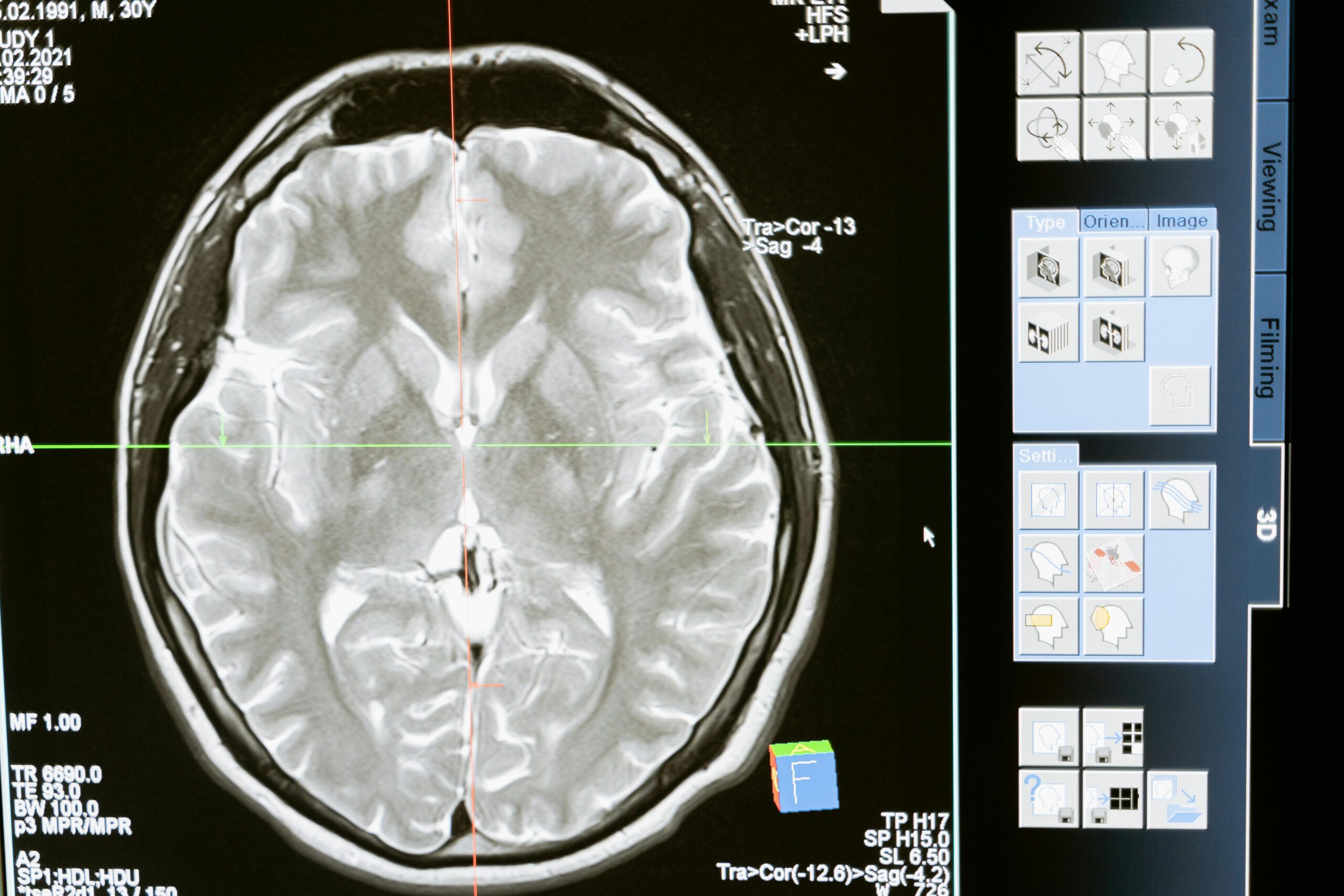
New research shows that spending a long time in zero gravity physically changes the shape of astronauts’ brains. A team from the University of Florida found that without Earth’s pull, the brain shifts upward and stretches inside the skull.
Rachael Seidler, a professor at the University of Florida, led the study published in Proceedings of the National Academy of Sciences. The team examined brain scans of 26 astronauts who lived on the International Space Station.
On Earth, gravity gently pulls the brain down inside our heads. In space, that anchor disappears. The brain floats higher, and fluids move toward the skull, causing the brain to stretch and compress in different directions.
READ ALSO: https://modernmechanics24.com/post/aalo-atomics-baker-hughe-aalo-x-turbine/
The changes are small but measurable. In astronauts who spent up to a year in space, the motor cortex — the part that controls movement — shifted upward by about 2.5mm. This shift can cause temporary balance and coordination problems when astronauts return home.
Earlier studies also found that fluid-filled spaces inside the brain grow larger. For most astronauts, the brain returns to normal within six months back on Earth. But the recovery is not instant.
These brain changes join a list of other space health effects. Astronauts also lose bone density, muscles weaken, and vision can get blurry from fluid pressure. The human body simply did not evolve for zero gravity.
The study has limits. Researchers only looked at astronauts who stayed in low-Earth orbit. They do not yet know what happens on longer flights, like a three-year trip to Mars.
WATCH ALSO: https://modernmechanics24.com/post/wing-expands-walmart-drone-delivery/
As space agencies plan moon bases and Mars missions, understanding these brain changes becomes critical. Seidler says more study is needed to keep future explorers safe on long journeys.