Saudi Arabia’s state oil company, Saudi Aramco, stopped operations in its Ras Tanura refinery after a drone strike, blamed on Iran.
The refinery, located on Saudi Arabia’s Gulf coast, has a capacity of 550,000 barrels per day. It is one of the largest refining facilities in the Middle East. Ras Tanura also serves as a major export terminal for Saudi crude oil.
According to sources, Aramco halted operations as a precaution after a fire broke out, followed by drone attacks.
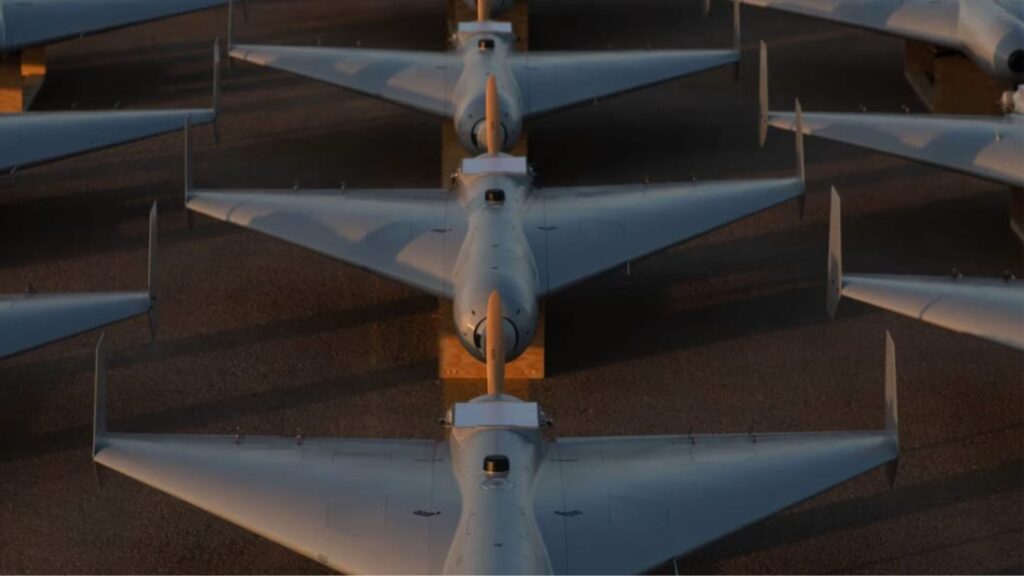
Saudi defence officials said two drones were intercepted at the site. Debris from the intercepted drones caused a limited fire. Authorities confirmed there were no injuries, and the situation is under control.
However, Aramco has not yet issued an official statement on the incident.
Why Ras Tanura Matters
Ras Tanura plays a vital role in global oil supply. A significant share of Saudi Arabia’s crude exports passes through this facility. Shipments typically go to major energy markets in Europe and Asia, including China, Japan, and South Korea.
READ ALSO: https://modernmechanics24.com/post/bizarre-worlds-first-floating-hotel/
The temporary shutdown has raised concerns in already tense oil markets. Traders fear further disruptions if attacks on energy infrastructure continue.
Strait of Hormuz Tensions Add Pressure
The situation has become more serious because shipping through the Strait of Hormuz has slowed sharply. Roughly one-fifth of the world’s oil consumption passes through this narrow waterway.
Reports say at least three oil tankers were hit by drone attacks over the weekend. As a result, vessel movement has dropped to near-halt levels in some areas.
Oil markets reacted quickly. Brent crude futures surged by nearly 10 percent on Monday. The spike reflects fears of supply shortages and prolonged instability in the Gulf region.
Wider Regional Impact
The drone strike on Ras Tanura is part of a broader wave of attacks. Reports suggest strikes have also targeted key cities and infrastructure in Abu Dhabi, Dubai, Doha, Manama, and Oman’s commercial port of Duqm.
In Iraq, oil production in the Kurdistan region has been largely shut down as a precaution. The region exported around 200,000 barrels per day to Turkey in February. Field operators paused output due to security concerns.
READ ALSO: https://modernmechanics24.com/post/iran-massive-drone-missile-attack-gulf/
This expanding conflict has disrupted supply chains across the region. It has also increased risks for global energy markets.
The latest escalation comes after the US and Israel launched missile strikes on targets inside Iran over the weekend. Washington and Tel Aviv urged Iranian citizens to oppose the country’s leadership.
Tehran responded with a series of attacks. These reportedly targeted Israeli positions, US military bases, and sites in Saudi Arabia, Qatar, the UAE, Kuwait, and Bahrain.
Ras Tanura was also targeted in 2021 by Yemen’s Iran-aligned Houthis. At that time, Saudi Arabia said the attack was an attempt to threaten global energy security.
Impact on Global Consumers
The rising oil prices could have a direct impact on consumers worldwide. Higher crude prices often lead to increased fuel costs. This can raise transportation expenses and push up prices of everyday goods, including groceries.
READ ALSO: https://modernmechanics24.com/post/womb-transplants-from-deceased-donor/
Many economies are already struggling with high inflation. Another surge in energy prices could slow recovery efforts and increase financial pressure on households.
Saudi authorities say the situation at Ras Tanura is stable. But the broader regional tensions continue to fuel uncertainty in global oil markets.
If attacks on energy infrastructure persist, the world could face further supply disruptions and sustained high energy prices.