Russian state conglomerate Rostec has announced the successful first flight of its advanced Su-57 Felon fighter jet equipped with a new, more powerful “izdeliye 177” engine, marking a pivotal step in the aircraft’s development. The new powerplant delivers a substantial 16,000 kilogram-force of afterburner thrust while promising better fuel efficiency and a longer service life, according to the company’s official statement.
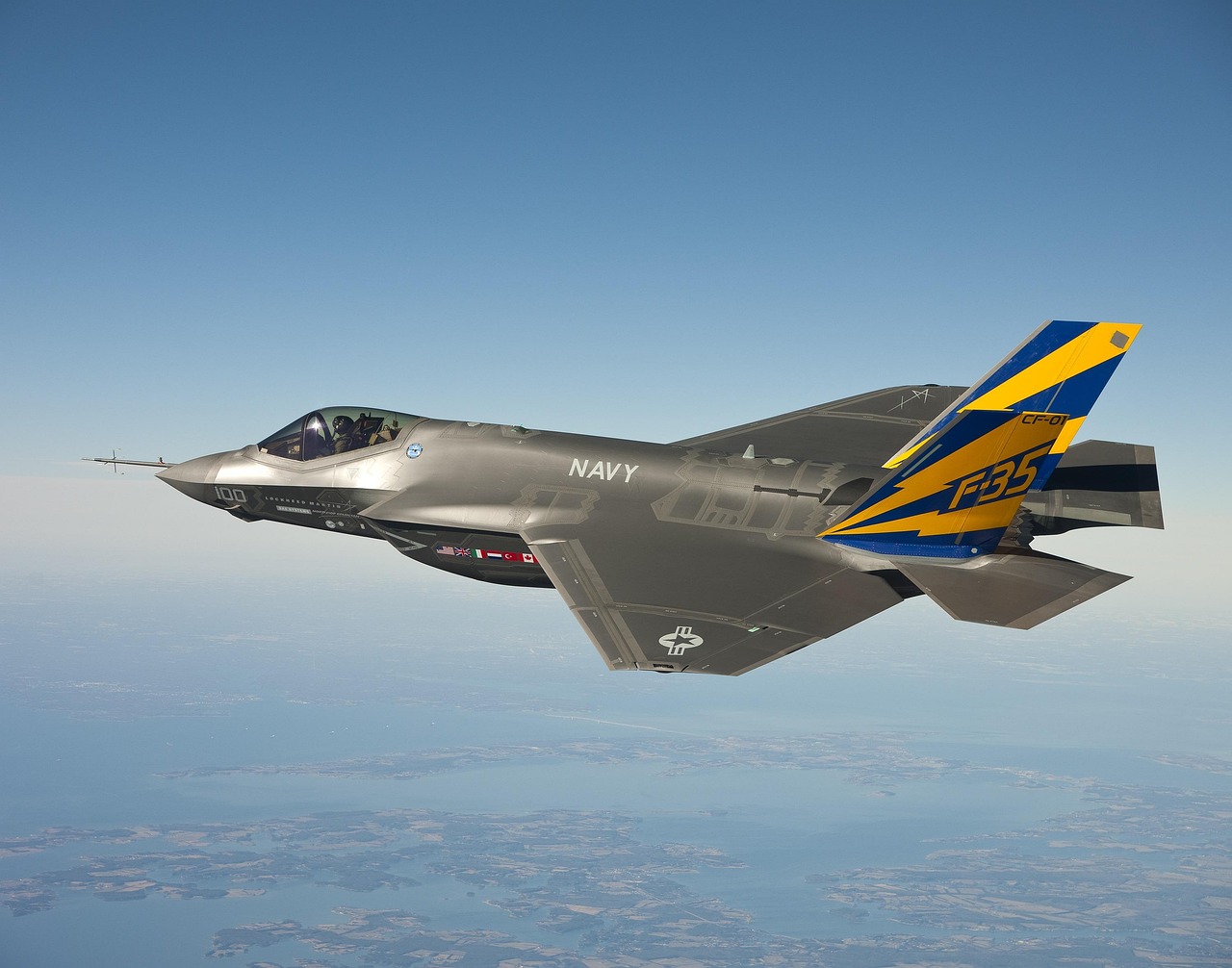
For years, the Su-57 program has been a symbol of Moscow’s ambitions to compete with Western fifth-generation fighters like the F-35. A key component of that ambition has been the development of a dedicated, next-generation engine to replace the interim powerplants derived from older Su-35 fighters. This recent test flight, conducted by the United Aircraft Corporation and United Engine Corporation, represents the tangible realization of that goal. Rostec claims the engine leverages new technologies and materials to achieve “more advanced technical characteristics” compared to its predecessors.
But why does a new engine matter so much? In the world of combat aviation, thrust is king. The reported 16,000 kgf thrust—a significant boost—directly translates to improved speed, acceleration, and maneuverability. Perhaps more importantly for sustained operations, Rostec emphasizes the engine’s reduced fuel consumption across all modes and increased service life, which would enhance the jet’s range and reduce long-term maintenance costs. “The new engine… will further improve flight characteristics and provide a large reserve for the further development of the aircraft,” stated Rostec, framing it as a critical upgrade.
READ ALSO: https://modernmechanics24.com/post/china-humanoid-robot-patent-lead/
The engine test is not happening in a vacuum. Rostec was keen to connect this technical milestone to the aircraft’s combat pedigree, stating the Su-57 has “performed well in real combat conditions” in Ukraine—what Russia terms the SVO zone. The company argues this frontline experience is directly informing the jet’s modernization, including the expansion of weapon and system capabilities. The implication is clear: this isn’t just a laboratory prototype; it’s an evolution being tested by war.
Despite the fanfare, many details remain shrouded in typical Russian military-industrial opacity. Rostec did not provide a timeline for when the “izdeliye 177” engine will be certified for serial production, nor did it specify if existing Su-57 airframes will be retrofitted. The announcement also reiterated that export deliveries are underway, though without naming customers or specifying numbers. This ambiguity leaves Western analysts to parse the statement’s substance versus its strategic messaging.
Ultimately, this engine test is a bid to solidify the Su-57’s standing. By moving beyond borrowed engines, Russia aims to present the Felon as a fully realized, independent fifth-generation platform. Whether the new engine’s promised performance and reliability materialize at scale, and how quickly it can be integrated into the fleet, are the next critical questions. For now, Rostec has successfully signaled that one of its most high-profile military programs is moving into a new, more capable phase of its lifecycle.
WATCH ALSO: https://modernmechanics24.com/post/rolls-royce-test-methanol-marine-engine-2/