Chinese military researchers have conducted the world’s first randomized controlled trial of long-distance telesurgery, proving that operations performed by a surgeon thousands of kilometers away are just as safe and effective as those done locally. The landmark study, led by Dr. Zhang Xu, director of urology at the Chinese People’s Liberation Army (PLA) General Hospital, could revolutionize access to specialist care in remote and underserved regions globally.
Imagine needing a complex cancer surgery, but the only specialist qualified to perform it is over 1,700 miles away. For patients in remote areas, this often means grueling travel, long waits, and delayed treatment. Now, a groundbreaking trial in China has turned tis scenario on its head, demonstrating that a surgeon in Beijing can successfully operate on a patient in Urumqi with the same precision as if they were in the same room. Published in the prestigious journal The BMJ, this study provides the first high-grade clinical evidence that telesurgery is not just a futuristic concept but a viable, reliable medical tool today
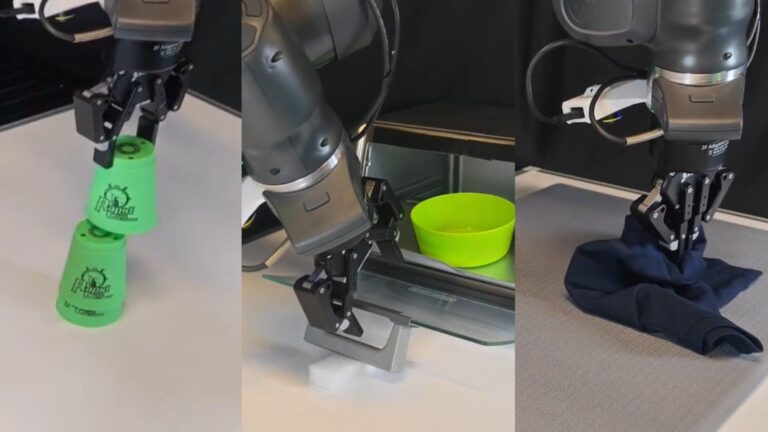
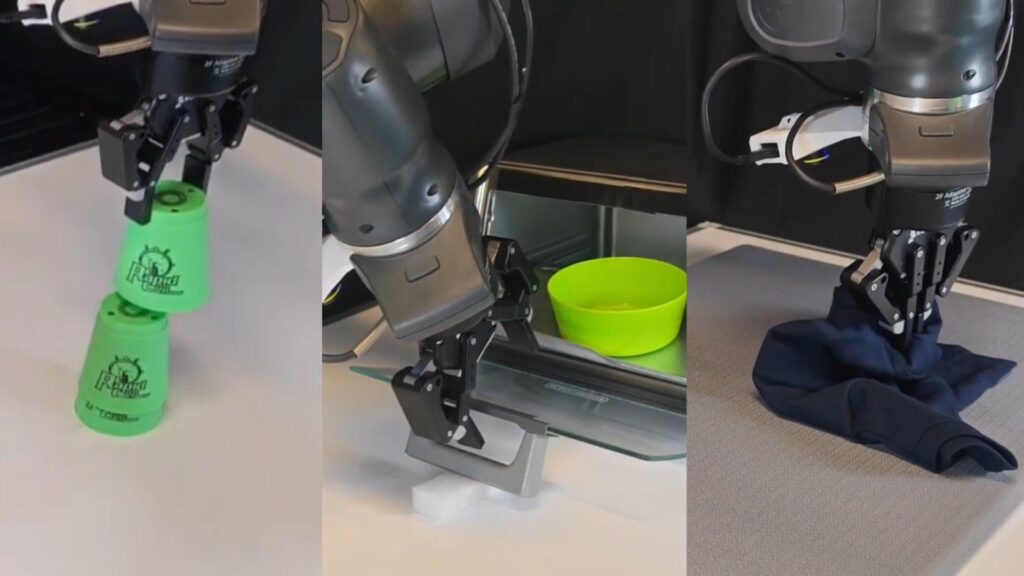
The trial, reported by the South China Morning Post (SCMP), connected surgical teams across five cities—Beijing, Hefei, Harbin, Hangzhou, and Urumqi—spanning distances between 1,000km and 2,800km. A total of 63 patients with kidney tumours or prostate cancer were randomly assigned to either undergo telesurgery or a conventional local procedure. Both groups were operated on using a four-armed robotic system developed by Shenzhen-based Edge Medical. The remote surgeons controlled the robots from a console with 3D visualization and haptic feedback, with their movements transmitted over a dedicated, ultra-low-latency optical network.
READ ALSO: https://modernmechanics24.com/post/china-5100-year-old-dams-western-views/
The results were decisive. The research team found “no substantial difference” between the two groups in operative data, complication rates, early recovery, or oncological outcomes. The telesurgery system proved remarkably stable, with an average network latency of just 20 to 47.5 milliseconds—a delay shorter than a blink of an eye. “As the first randomised controlled trial in the field of telesurgery, this study establishes that its reliability is non-inferior to that of conventional local surgery,” the scientists wrote. According to the SCMP, this finding offers a crucial evidence base for wider clinical adoption.
The implications are profound for global healthcare equity. Telesurgery could bridge the vast gap in medical resource distribution, bringing top-tier surgical expertise to disaster zones, isolated communities, and military field hospitals without requiring surgeons to physically travel. “This finding provides a foundational evidence base for the design and implementation of larger-scale clinical trials in the future,” the team noted. For aging populations and rising cancer rates worldwide, this technology promises to reduce wait times, eliminate burdensome travel for patients, and lower overall healthcare costs.
WATCH ALSO: https://modernmechanics24.com/post/ehang-next-gen-evtol-first-public-flight/
Led by Dr. Zhang Xu, a pioneer who previously performed a prostate removal on a patient in Beijing from Rome, the research underscores China’s advancing role in medical robotics and telecommunication integration. The success hinges on the synergy of specialized robotic hardware and robust, high-speed networks—a model applicable worldwide. This trial moves telesurgery from experimental demonstrations into the realm of evidence-based medicine, paving a concrete path toward a future where geographical distance is no longer a barrier to receiving life-changing surgical care.