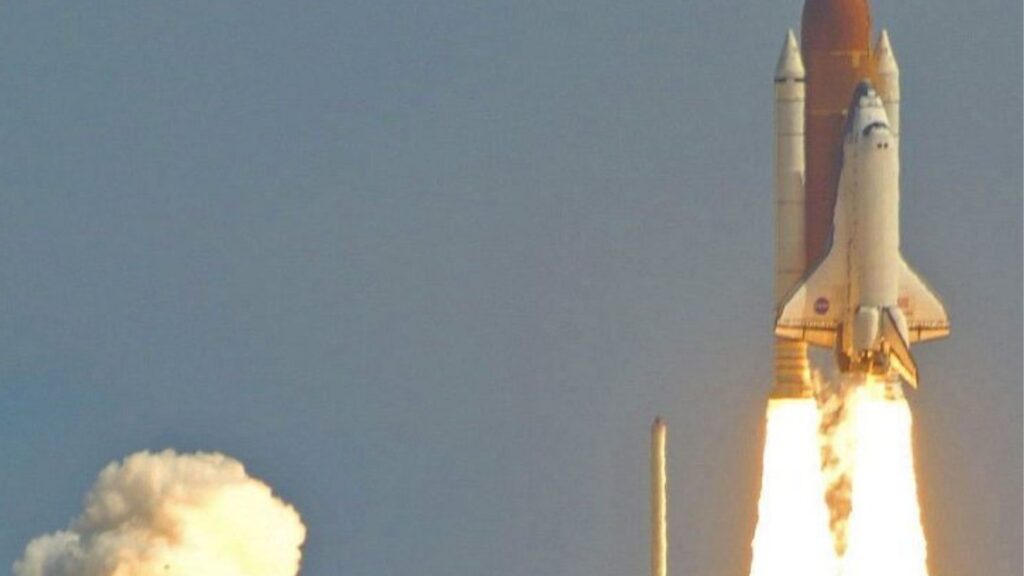
Chinese state-owned developers suffered a second major setback this month in the race to master reusable rocket technology, as the Long March 12A booster failed to recover after its debut launch. This consecutive failure, following a similar crash by commercial firm LandSpace’s Zhuque-3 rocket earlier in December, highlights the steep technical challenges China faces in catching up to U.S. leaders like SpaceX, which first achieved the feat a decade ago.
The Long March 12A, a 62-meter-long methane-fueled rocket developed by the Shanghai Academy of Spaceflight Technology, lifted off successfully from the Jiuquan Satellite Launch Centre. While its second stage delivered its payload to orbit, the crucial recovery of the first-stage booster—the key to slashing launch costs—ended in failure. This marks China’s second unsuccessful attempt at an orbital-class booster recovery in December alone, a stark reminder that landing a rocket is as difficult as launching one.
Why is this technology so pivotal? Reusability is the economic cornerstone of the modern space race, turning rockets from single-use fireworks into reusable assets. SpaceX demonstrated this with its Falcon 9 booster on December 22, 2015, and more recently, Blue Origin’s New Glenn joined the club. For China, mastering this is not just about prestige; it’s a financial imperative for its ambitious satellite megaconstellations, Guowang and Qianfan, each planning networks of up to 10,000 satellites to rival SpaceX’s Starlink. Without cheap, rapid launches, such projects become prohibitively expensive.
READ ALSO: https://modernmechanics24.com/post/plant-hormone-controls-proteins-for-life/
The recent failures underscore a significant gap. Analysts suggest China could be 10 years behind the U.S. in this critical technology’s deployment. Both state and commercial sectors are pushing hard—LandSpace is investigating its Zhuque-3 anomaly, and Space Pioneer awaits the debut of its Tianlong-3 reusable rocket—but success has remained elusive. This technological delay has tangible strategic implications, as low-cost, rapid-turnaround launch capability is essential for commercial dominance and future space infrastructure.
Despite the setbacks, China’s space activity is frenetic. The country launched three Long March rockets in a single day on December 9, showcasing impressive launch cadence with expendable vehicles. The push for reusability, however, represents a qualitatively different engineering mountain to climb, involving precise propulsion relighting, guided re-entry, and stable landing—a symphony of advanced controls that U.S. companies have spent years perfecting through public, iterative testing (and failures of their own).
The China Aerospace Science and Technology Corporation (CASC), the state-owned parent of the Shanghai Academy, has not detailed the cause of the Long March 12A’s recovery failure. The silence is telling, contrasting with the more transparent (though often delayed) anomaly investigations common in the U.S. commercial sector. This latest stumble indicates that while China can match and even exceed launch frequency, the leap to a truly reusable, cost-disruptive launch system—the kind that defines the current era—remains a formidable hurdle still under active and urgent development.
READ ALSO: https://modernmechanics24.com/post/icfo-shortest-light-pulse-record-icfo/