A US aerospace startup has flown its Quarterhorse Mk 2.1 aircraft for the first time, moving closer to challenging the 50-year-old speed record of the legendary SR-71 Blackbird. The uncrewed jet took off from Spaceport America in New Mexico on March 2, 2026, beginning tests that could eventually lead to hypersonic flight.
The Lockheed SR-71 Blackbird remains the fastest air-breathing aircraft ever built, with an official top speed of Mach 3.32 set in 1976. During the Cold War, the titanium-built spy plane could simply outrun any missile fired at it, with more than 4,000 attempts all failing to score a hit.
Hermeus aims to surpass that record with its Quarterhorse aircraft series. The company is developing these prototypes as stepping stones toward an even more ambitious reusable hypersonic aircraft called Darkhorse, intended for defense and national security missions.
READ ALSO: https://modernmechanics24.com/post/mouse-robot-large-hadron-collider/
The company’s strategy involves building multiple prototypes rather than a single airframe. Each version tests specific capabilities. Quarterhorse Mk 0 handled taxi tests, while Mk 1 flew in May 2025 to validate high-speed takeoffs and landings. Now Mk 2.1 is flying over the White Sands Missile Range in New Mexico.
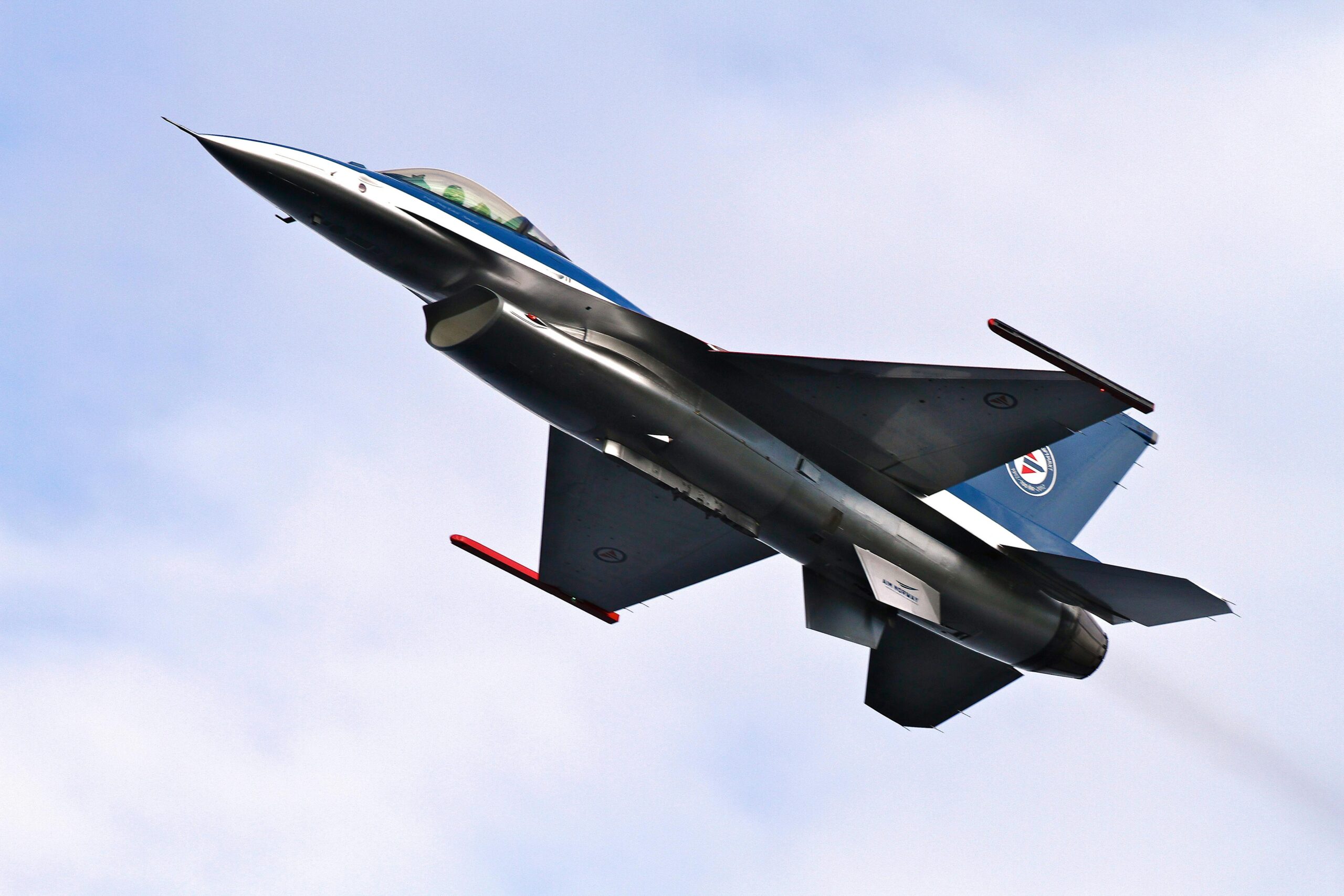
This latest version is roughly the size of an F-16 fighter and uses a delta-wing design optimized for supersonic flight. It carries a modified Pratt & Whitney F100 jet engine with a proprietary precooler in the air intake to prevent overheating at high speeds.
The current subsonic maiden flight focuses on validating the aircraft’s systems. If successful, Hermeus will gradually expand the flight envelope before moving to the Mk 2.2, which will attempt to break the sound barrier. This cautious approach is standard practice because the transition from subsonic to supersonic speeds involves complex aerodynamic forces.
For the future hypersonic Mk 3 version, Hermeus plans to replace the current engine with its Chimera turbine-based combined-cycle engine. This powerplant would enable high-Mach flight and a serious challenge to the SR-71’s long-standing record.
WATCH ALSO: https://modernmechanics24.com/post/china-largest-offshore-solar-project/
AJ Piplica, CEO and Founder of Hermeus, emphasized the urgency of the program. “Speed is the fundamental requirement for our flight systems and for our company,” he said. “We’re building and flying aircraft on timelines that match the urgency of the world we’re in.”