A new large-scale study reveals that plug-in hybrid vehicles burn far more gasoline than official estimates suggest. The Fraunhofer Institute analyzed data from nearly one million cars across Europe and found a massive gap between claimed and real-world fuel use.
The Fraunhofer Institute conducted the largest real-world study of plug-in hybrid vehicles to date. Researchers examined fuel consumption data from 981,035 vehicles across multiple European countries.
The results show that plug-in hybrids use over 300 percent more fuel than European Union regulations claim. This matters because governments use these estimates to set emissions rules and climate policies.
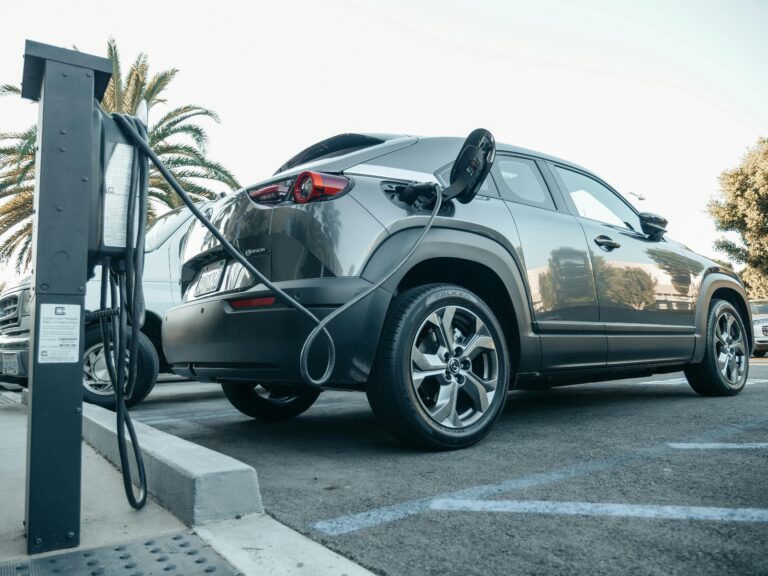
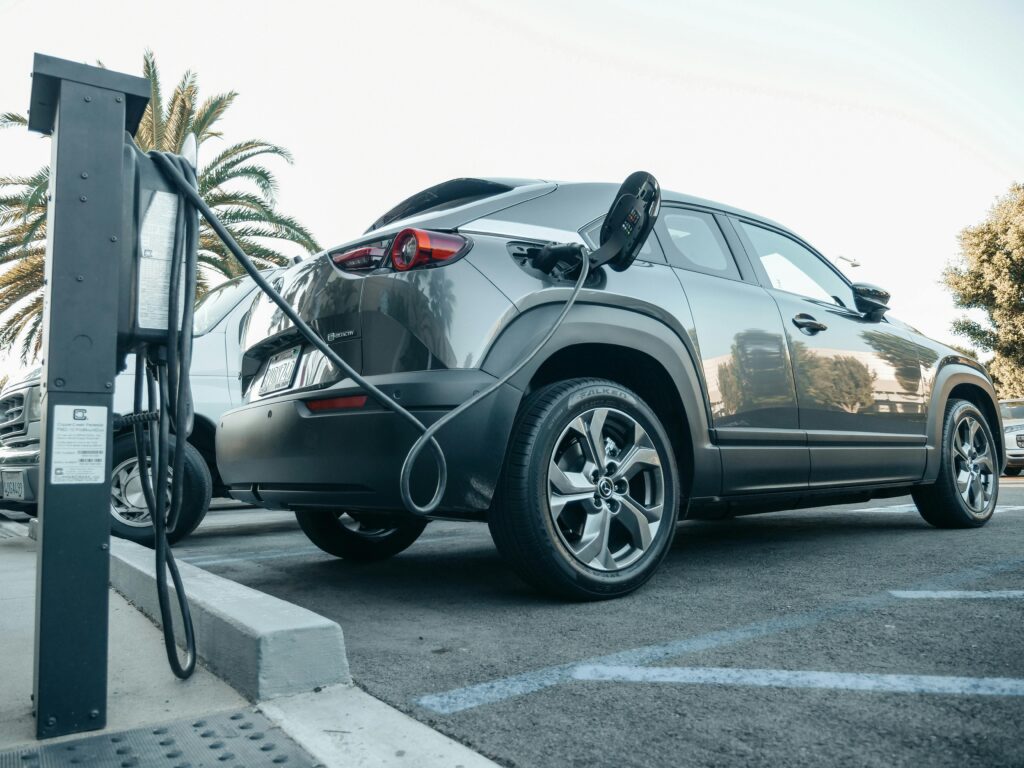
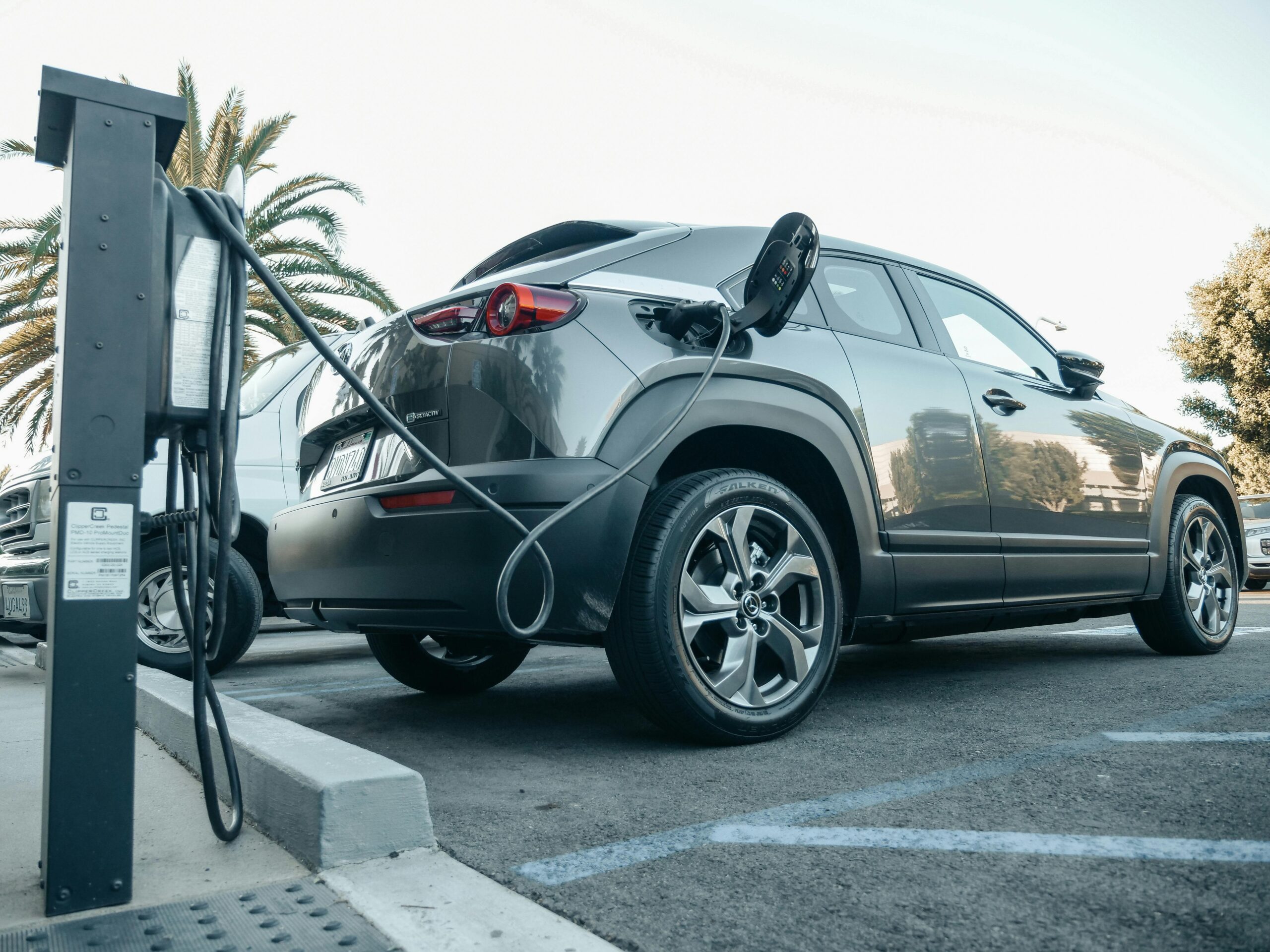
Plug-in hybrids, or PHEVs, combine a gasoline engine with an electric motor and battery. Owners can charge the battery from a wall outlet or drive on gasoline alone. In theory, these cars should run mostly on electricity for daily trips.
READ ALSO: https://modernmechanics24.com/post/lab-grown-human-spinal-cord-tissue/
But the study found a different reality. Official WLTP testing says PHEVs should average 1.57 liters of fuel per 100 kilometers. Real-world driving showed these vehicles actually use 6.12 liters per 100 kilometers — more than three times the claimed amount.
Even when running in electric mode, the cars burned 2.98 liters per 100 kilometers. This means the gasoline engine kicks in far more often than manufacturers admit.
The data also revealed interesting patterns about who charges their cars. Budget brand owners plugged in more frequently. But luxury brands told a different story. Porsche vehicles stood out as the least charged. More than half of the 11,307 Porsches in the study were never plugged in even once. Some drove 27,000 kilometers using almost no electricity.
WATCH ALSO: https://modernmechanics24.com/post/us-air-force-s-sentinel-weapon-improved-range/
The European Union planned to fix this problem with stricter rules starting in 2025. These changes would reduce the emissions credit automakers get for selling PHEVs. But car companies are lobbying to keep the current system, which gives them extra credit for vehicles that pollute much more than claimed.
If the planned 2025 rule changes get rolled back, the study warns of an extra 23 to 25 million tons of CO2 emissions over the next 20 years. Delaying the 2027 adjustments would add another 7 million tons.
Researchers suggest two fixes. One is display transparency, letting drivers see how often they actually use electric power. Another is requiring owners to charge at least every 500 kilometers. But the best solution, the study says, is for regulators to use real-world data from nearly one million cars to set honest rules that match how people actually drive.