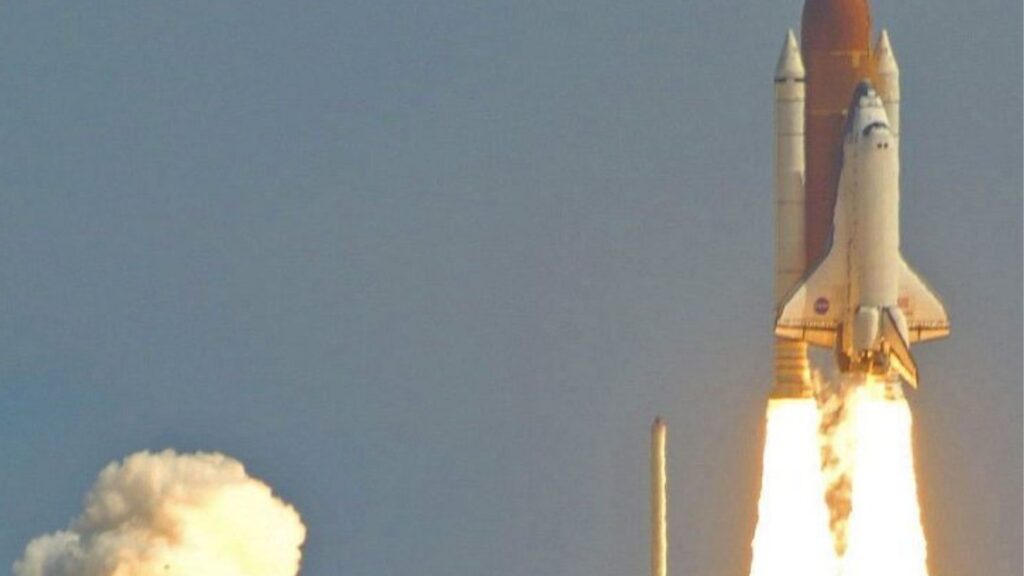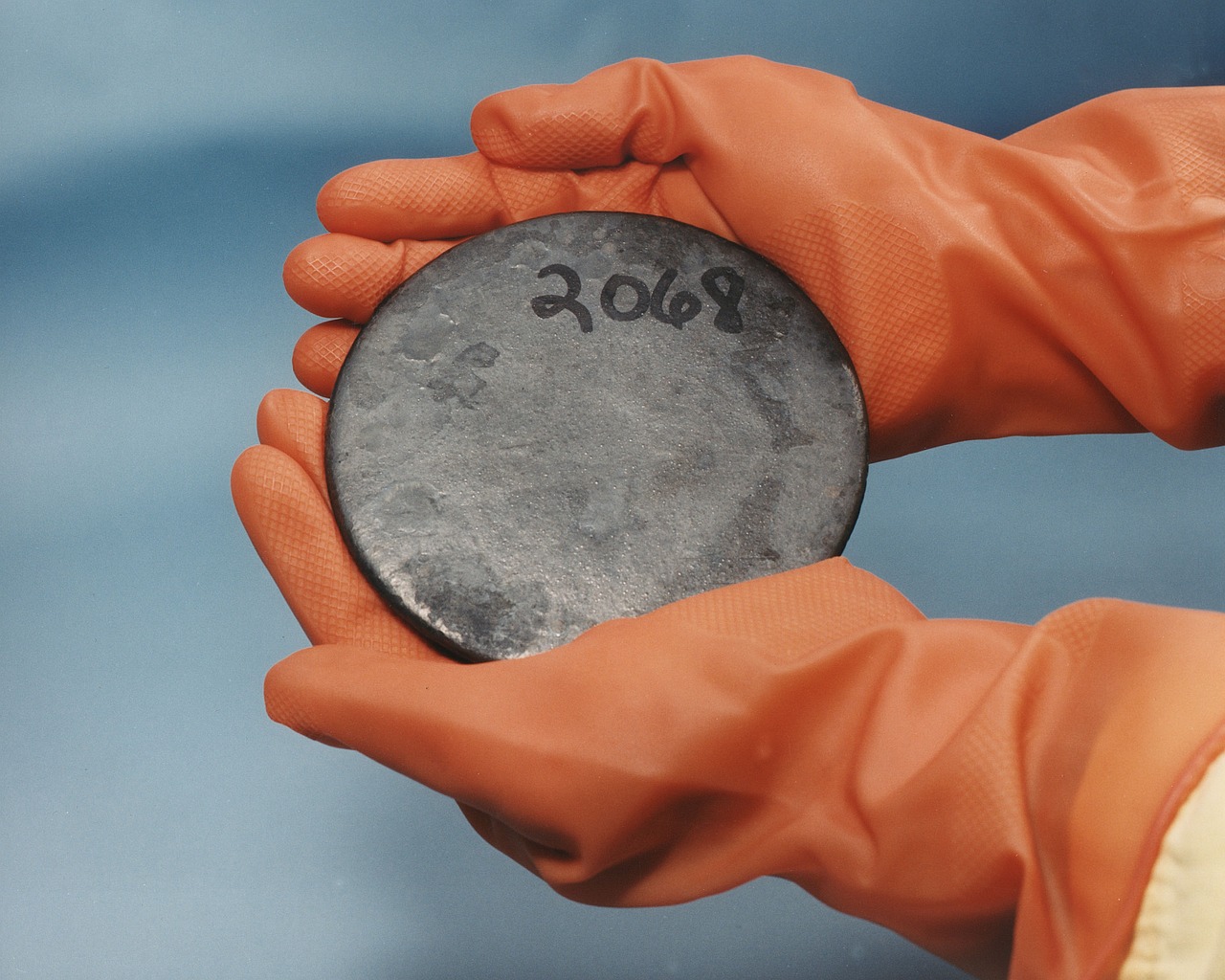
The U.S. Department of Defense says China is on track to field more than 1,000 nuclear warheads by 2030, a dramatic buildup that could directly threaten the U.S. mainland. Backed by satellite imagery and intelligence assessments, the Pentagon warns Beijing is accelerating not just weapons production, but the speed at which it could launch them.
China’s nuclear forces are no longer growing quietly in the background. According to the U.S. Department of Defense, Beijing’s expanding arsenal now represents a direct and evolving threat to American security, marking one of the starkest warnings yet in Washington’s annual assessment of Chinese military power.
The alarm comes from the Pentagon’s newly released report to Congress, Military and Security Developments Involving the People’s Republic of China, the first issued during President Donald Trump’s second-term administration. The report estimates China’s nuclear stockpile remained in the low 600s through 2024, but emphasizes that this slower pace masks a far more ambitious long-term trajectory. Despite the pause, the People’s Liberation Army (PLA) remains on course to exceed 1,000 nuclear warheads by 2030, more than quadrupling the size of China’s arsenal from a decade earlier.
READ ALSO: https://modernmechanics24.com/post/ai-fusion-control-wins-2025-kaul-prize/
That growth is not just about numbers. The Pentagon report warns that China is reshaping how it might use nuclear weapons in a crisis. “China maintains a large and growing arsenal of nuclear, maritime, conventional long-range strike, cyber and space capabilities able to directly threaten Americans’ security,” the report states, highlighting a broader military transformation that extends well beyond missiles alone.
According to The New York Times, Chinese leader Xi Jinping and senior military planners appear focused on reducing the time it would take to respond to a nuclear attack. The newspaper reported that Beijing is pursuing what it calls an early-warning counterstrike, a posture similar to “launch on warning,” where missiles could be fired before an incoming strike detonates. The goal, analysts say, is deterrence through speed, signaling that China’s nuclear forces are always ready.
The Pentagon echoed that concern, noting that in 2024 China “probably made progress” toward achieving an early-warning counterstrike capability. Such a shift would fundamentally alter nuclear stability in Asia, compressing decision-making timelines and increasing the risk of miscalculation during a crisis.
WATCH ALSO: https://modernmechanics24.com/post/us-deadly-strike-isis-nigeria/
Satellite imagery has added concrete weight to these assessments. The Washington Post reported that rapid expansion is underway at multiple Chinese weapons-production facilities, including a highly sensitive site near Pingtong in Sichuan Province. Analysts identified extensive construction at locations linked to plutonium pit production, a core component of nuclear warheads.
Renny Babiarz, who led an independent review of imagery for the Vienna-based Open Nuclear Network and the London-based Verification Research, Training and Information Center, told The Washington Post that the scale of development is unprecedented. “The levels of changes that we’re seeing since around 2019 to today are probably more extensive than anything we’ve ever seen,” Babiarz said.
The imagery shows newly built security walls more than doubling restricted zones, construction at at least 10 locations, and specialized facilities such as a dome-shaped high-explosive testing chamber and a 610-meter underground test tunnel. One newly completed building spans roughly 40,000 square meters, an area experts say is likely intended for assembling nuclear warhead components.
Additional satellite photos near the Lop Nur nuclear test site in Xinjiang reveal new underground tunnels and vertical shafts, fueling speculation that China wants to preserve the option of resuming nuclear testing in the future, according to The Washington Post.
China’s military expansion is not limited to its nuclear forces. The Pentagon report also points to rapid naval and aerospace development, including sixth-generation aircraft expected to become operational by 2035 and the deployment of the aircraft carrier Fujian, which displaces more than 80,000 tons and can carry up to 40 fixed-wing aircraft, reported The Wall Street Journal.
Beijing has forcefully rejected the Pentagon’s conclusions. China’s state-run Global Times dismissed the report as exaggerated “China threat” rhetoric. Military analyst Song Zhongping argued that the assessment distorts facts and applies double standards, insisting China’s defense spending remains below 1.5 percent of GDP and is purely defensive.
WATCH ALSO: https://modernmechanics24.com/post/china-humanoid-robots-dance-chengdu/
Yet U.S. officials remain unconvinced. The Pentagon warns that Chinese strike capabilities could extend 1,500 to 2,000 nautical miles, potentially disrupting U.S. forces across the Asia-Pacific. As one analyst quoted by The Washington Post put it, the contradiction is stark: China’s military power is expanding rapidly, even as both sides publicly claim relations are stabilizing.