In the early 1990s, scientists at NASA carried out an unusual space experiment. They wanted to understand how living organisms sense gravity and what might happen if they grow in space. To study this, researchers decided to send jellyfish into orbit.
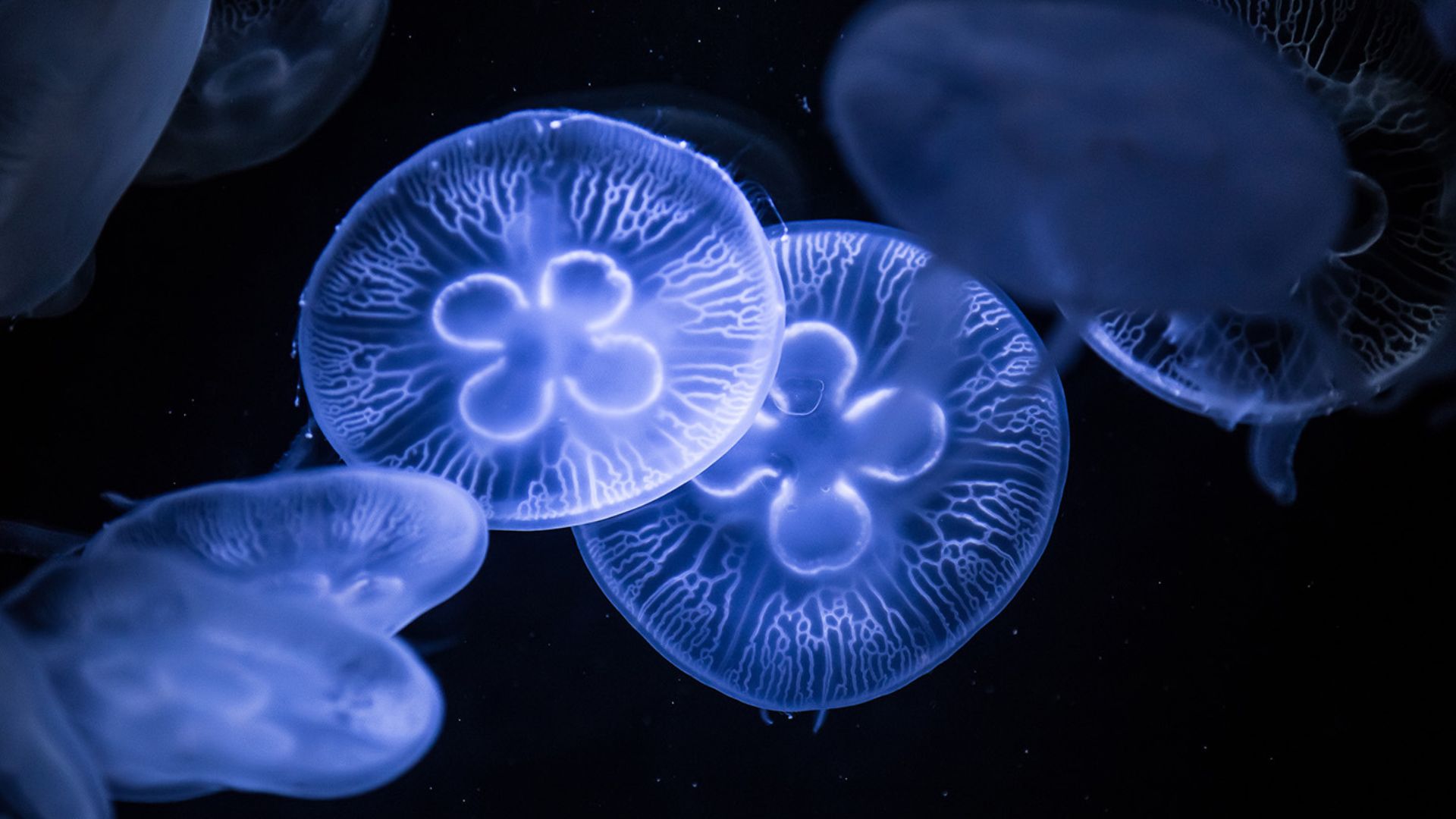
The experiment was led by scientist Dorothy Spangenberg and her research team. In 1991, nearly 2,500 jellyfish polyps, an early stage of jellyfish life, were sent into space aboard the Space Shuttle Columbia.
Although jellyfish look very different from humans, scientists chose them for a specific reason. Both jellyfish and humans rely on gravity to understand which way is up.
As jellyfish grow from polyps into their adult form, known as the medusa stage, their bodies develop tiny calcium sulphate crystals. These crystals form inside the jellyfish’s bell, the dome-shaped body that helps it swim.
The crystals sit inside a pocket of cells lined with tiny sensory hairs. When the jellyfish moves through the water, gravity causes the crystals to roll. The movement bends the hairs, which then send signals to the jellyfish’s nervous system. This helps the animal detect its position and direction in the water.
READ ALSO: https://modernmechanics24.com/post/us-labs-large-scale-quantum-computing/
Humans have a similar system within the inner ear. Small calcium carbonate crystals inside our ears move when our head changes position. These movements stimulate hair cells, which send signals to the brain. This is how humans maintain balance and sense gravity.
Because of this similarity, scientists wondered what would happen if jellyfish developed in microgravity. Would their gravity-sensing system still form correctly? And could this give indications about how humans born in space might adapt to gravity?
To find answers, the jellyfish polyps were placed in special containers filled with artificial seawater. The containers were taken aboard the Columbia shuttle. Astronauts on the mission helped monitor the experiment and encouraged the jellyfish to grow during the flight.
WATCH ALSO: https://modernmechanics24.com/post/worlds-largest-fusion-project-iter-progress/
The experiment lasted about nine days in space. During that short period, the jellyfish multiplied rapidly. By the time the mission ended, around 60,000 jellyfish had developed.
When the shuttle returned to Earth, scientists carefully observed the space-grown jellyfish. They noticed something unusual. Many of the jellyfish struggled to swim properly compared to those raised on Earth.
The space jellyfish showed pulsing abnormalities. Their moves were uncoordinated and unstable. According to the scientists, the jellyfish appeared to suffer from severe vertigo, or dizziness.
Even though the animals had developed their calcium sulphate crystals in space, their bodies had adjusted to microgravity. When they returned to Earth’s normal gravity, they had difficulty adjusting.
READ ALSO: https://modernmechanics24.com/post/israel-traffic-cams-tracked-khamenei/
The results gave scientists useful insights. The experiment suggested that organisms that grow in microgravity may struggle when later exposed to Earth’s gravity.
Researchers believe the findings could help scientists understand future challenges of long-term space living.
If humans are ever born and raised in space or on other planets, they may face similar difficulties when adapting to Earth’s gravity.