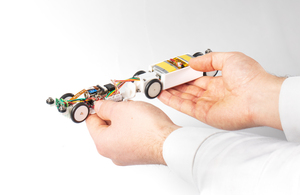
A small robot named PipeINEER can roll through the 27-kilometre particle accelerator to find problems. It uses AI to spot damage without shutting down the machine for long periods.
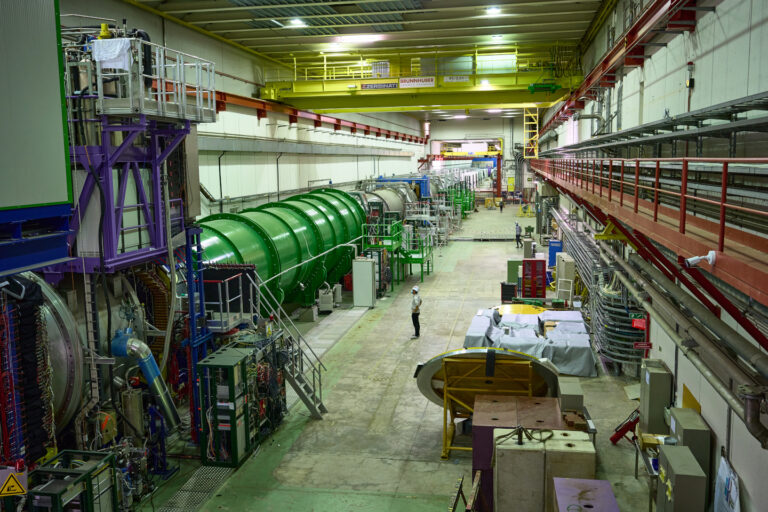
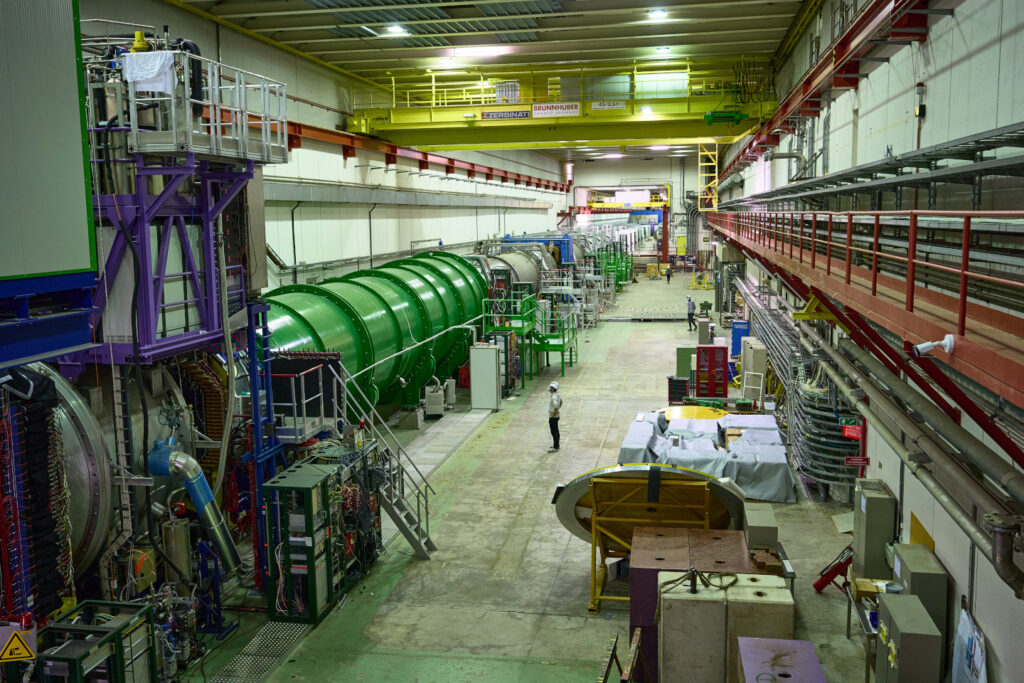
Engineers from CERN and the UK Atomic Energy Authority have developed a tiny robot to inspect the inside of the Large Hadron Collider (LHC). The robot, called PipeINEER, measures just 3.7 centimetres wide and can travel up to six kilometres on a single battery charge. It captures images of components inside the beamline and uses artificial intelligence to detect abnormalities.
Teams from CERN, the European Council for Nuclear Research, and the UK Atomic Energy Authority’s robotics centre built the mini robot together. CERN operates the Large Hadron Collider near Geneva, Switzerland. The UKAEA brings expertise in designing robots for hazardous environments like fusion energy facilities and nuclear sites.
READ ALSO: https://modernmechanics24.com/post/us-labs-large-scale-quantum-computing/
The LHC runs under extreme conditions. Particles zoom through a vacuum at nearly the speed of light, while magnets cool to minus 271°C. The beamline contains 2,000 Plug-in Modules that handle temperature changes as the machine heats up and cools down. Over time, small parts inside these modules can bend slightly, creating obstructions that disrupt experiments. Finding these problems traditionally meant taking apart large sections of pipe and using manual endoscopes, a slow and expensive process.
PipeINEER runs on wheels and fits through spaces as narrow as 3.7 by 3.7 centimetres inside the beamline. It captures detailed images of each Plug-in Module and runs AI software trained on real LHC images to spot signs of damage. If the robot finds an issue, it returns to its starting point and reports the exact location so engineers can fix only the affected spot.
The robot saves time and money by removing the need to dismantle long sections of the collider for inspections. It allows targeted maintenance, meaning the machine can return to normal operation faster. Giuseppe Bregliozzi, Beam Vacuum Operation Section Leader at CERN, said PipeINEER will transform how the team inspects and maintains the LHC, keeping experiments running smoothly.
The robots are still in development. Testing is happening throughout this year, with final units planned for late 2026. CERN operators will train on the new system in early 2027. The robot cannot fix problems on its own, only detect and report them.
WATCH ALSO: https://modernmechanics24.com/post/swiss-robot-brain-autonomy/
The Large Hadron Collider helps scientists understand what the universe is made of and how it works. It was where researchers discovered the Higgs boson in 2012. CERN is also the birthplace of the World Wide Web. Keeping the collider running efficiently supports ground-breaking physics research. Nick Sykes, Director of the UKAEA’s robotics centre, said the project combines remote handling experience with CERN’s scientific excellence to ensure the LHC operates safely for years.