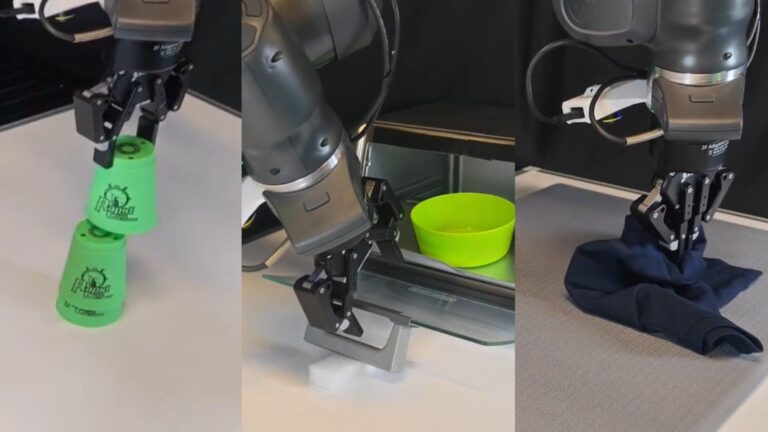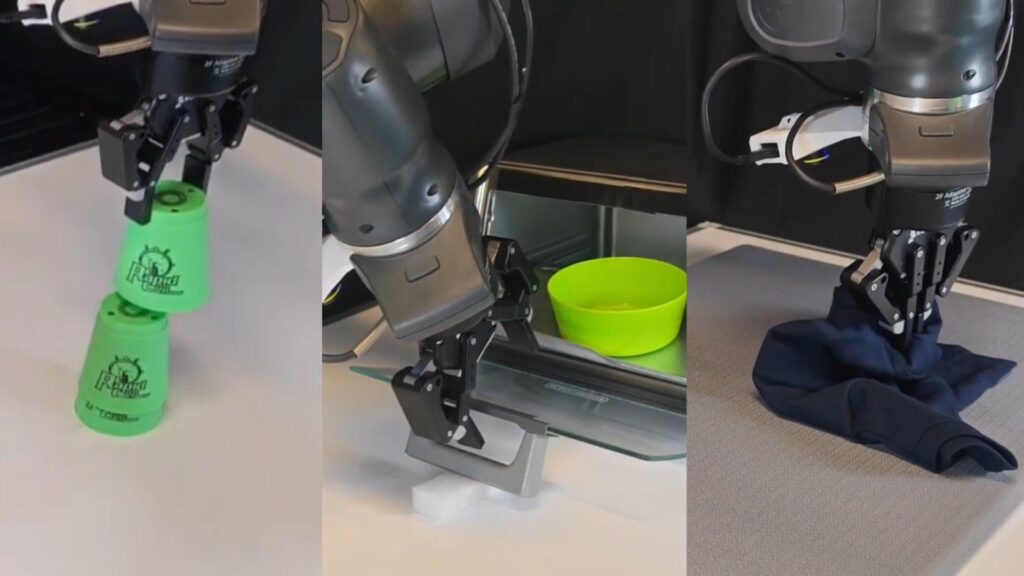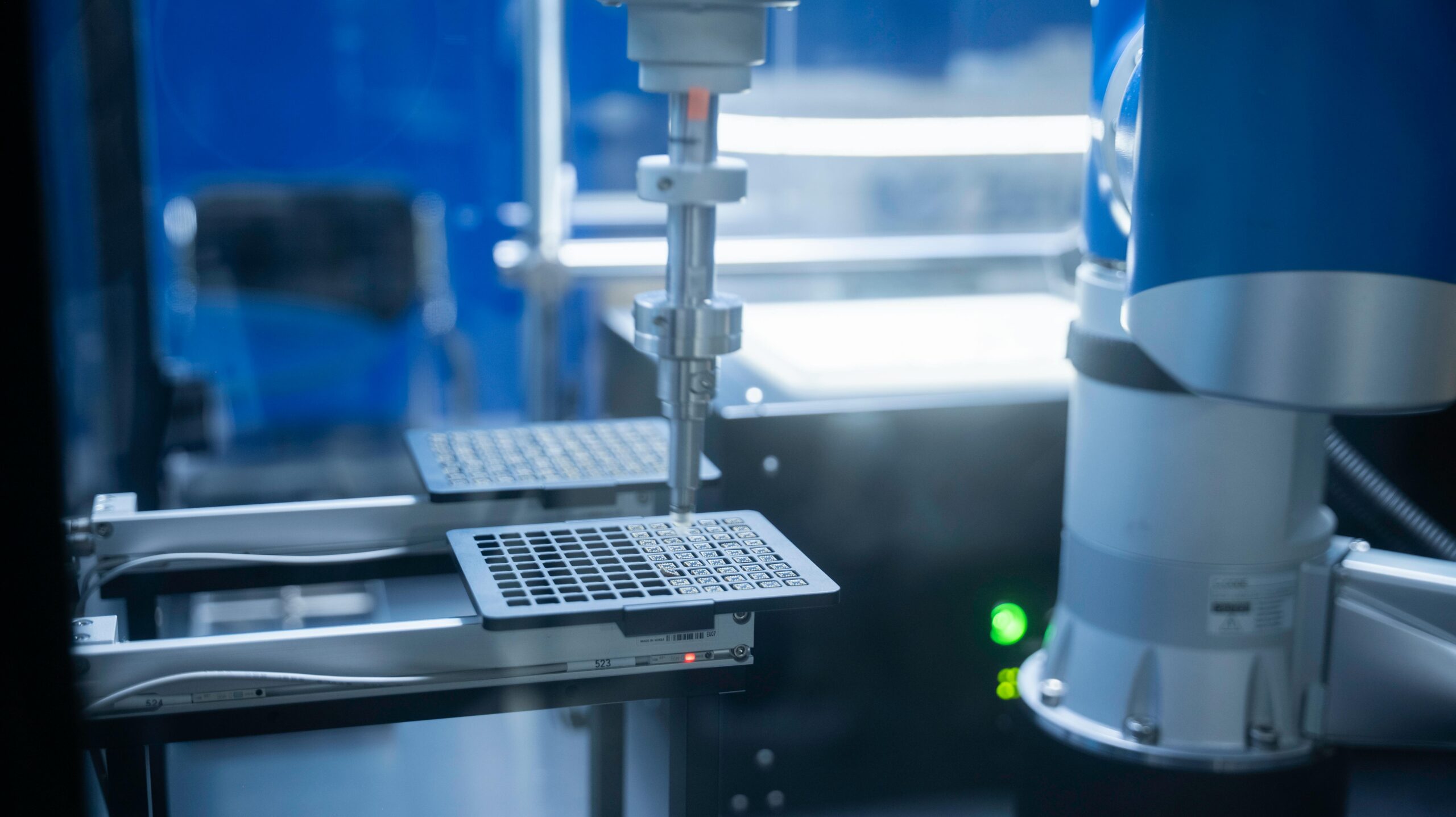
Microsoft Research has unveiled Rho-alpha (ρα), its first robotics foundation model derived from the company’s Phi series of small language models, designed to translate natural language into precise physical actions for robots. The model represents a major push into “Physical AI,” aiming to give robots the adaptability to perform complex, bimanual manipulation tasks in unstructured environments by integrating vision, language, and—uniquely—tactile sensing.
For decades, robots have excelled in structured settings like assembly lines, where tasks are predictable and tightly scripted. The grand challenge has been enabling them to operate in the messy, unpredictable real world. Microsoft Research is tackling this head-on with the announcement of Rho-alpha (ρα), a new type of vision-language-action (VLA) model built to serve as a brain for next-generation robots. This initiative, part of what the company terms “Physical AI,” seeks to endow machines with a more human-like ability to perceive, reason, and act based on multimodal input.
“The emergence of vision-language-action models for physical systems is enabling systems to perceive, reason, and act with increasing autonomy alongside humans in environments that are far less structured,” said Ashley Llorens, Corporate Vice President and Managing Director of Microsoft Research Accelerator. Rho-alpha is positioned to redefine robotics much as generative AI transformed language and image creation.
READ ALSO: https://modernmechanics24.com/post/bromine-flow-battery-energy-long-life/
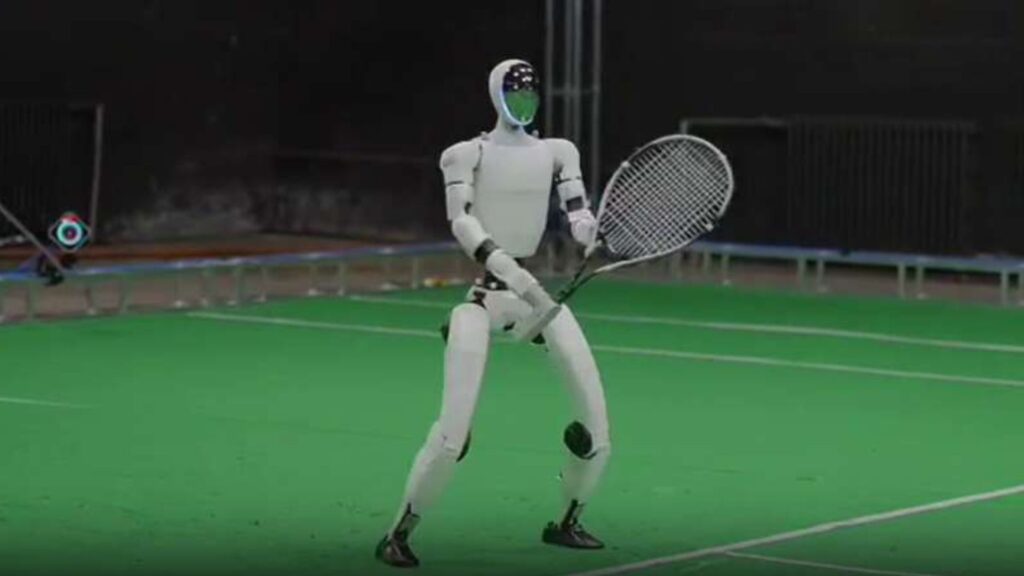
What sets Rho-alpha apart is its expansion into sensory modalities beyond typical camera vision. Described as a VLA+ model, it incorporates tactile sensing data, with future plans to include force feedback. This allows a robot to not just see an object but to “feel” its grip, enabling more delicate and reactive manipulation—crucial for tasks like handling fragile items or assembling components. The model is currently being evaluated on dual-arm setups and humanoid robots.
A core innovation is Microsoft’s approach to solving the massive data problem in robotics. Professor Abhishek Gupta of the University of Washington, a collaborator, noted the limitations of solely using data from teleoperated physical robots. To overcome this, the team generates vast amounts of synthetic training data using NVIDIA Isaac Sim on Azure. “By leveraging NVIDIA Isaac Sim on Azure to generate physically accurate synthetic datasets, Microsoft Research is accelerating the development of versatile models like Rho-alpha,” confirmed Deepu Talla, Vice President of Robotics and Edge AI at NVIDIA.
WATCH ALSO: https://modernmechanics24.com/post/happy-new-year-2026-from-iss/
This hybrid training pipeline combines these simulated trajectories with real-world physical demonstration datasets. The goal is a model that can be continuously adapted. Microsoft is focusing on tooling that will allow Rho-alpha to learn from corrective feedback from human operators during deployment, using intuitive devices like a 3D mouse to provide real-time corrections.
The ultimate aim is to empower industry partners. Microsoft is not just building a model for its own use; it’s creating foundational technology for others. The company announced a Rho-alpha Research Early Access Program for organizations to evaluate the model, with plans to later make it available via Microsoft Foundry. This will allow robotics manufacturers and end-users to train and adapt their own cloud-hosted Physical AI models using their proprietary data for specific scenarios.
WATCH ALSO: https://modernmechanics24.com/post/china-humanoid-robot-embroiders-itself/
The introduction of Rho-alpha signals a strategic move by Microsoft to stake a claim in the rapidly evolving Physical AI space. By combining its expertise in AI foundation models with new partnerships and a synthetic-data-driven approach, the company is working to build robots that aren’t just powerful, but are perceptive, adaptable, and ultimately, more useful companions in the dynamic spaces where humans live and work.