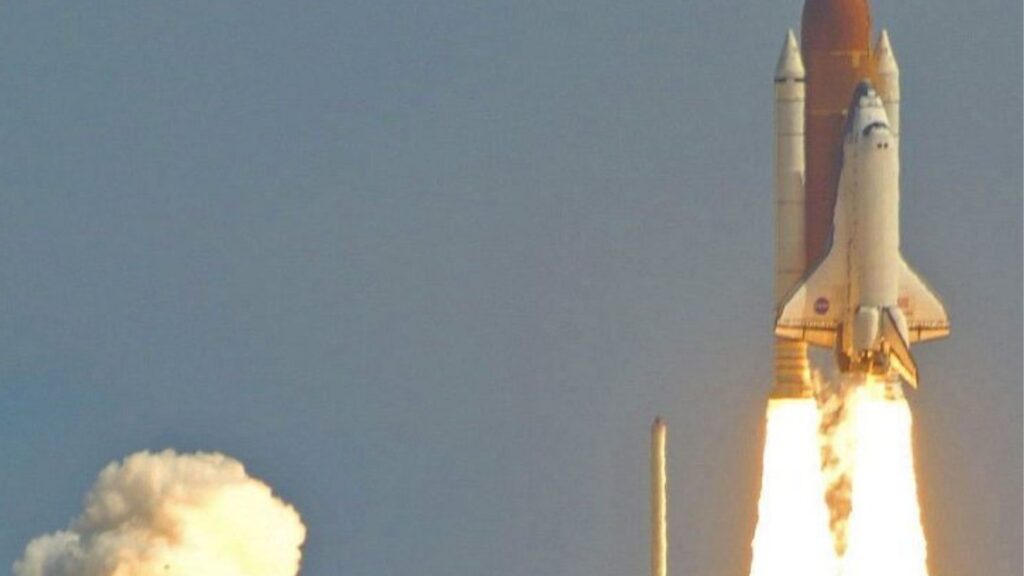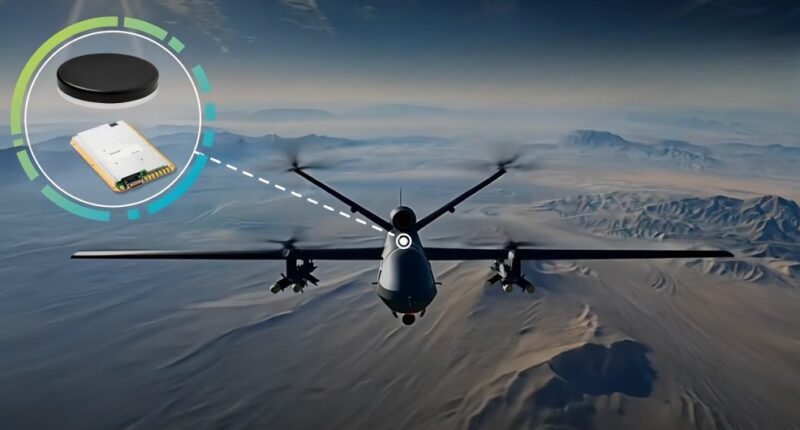
Kratos Defense & Security Solutions and Northrop Grumman are developing a new version of the XQ-58 Valkyrie drone for the U.S. Marines that can launch via rocket booster from a hidden, runway-free location but land smoothly on a conventional airstrip. This hybrid capability, confirmed to The War Zone, aims to give the stealthy unmanned aircraft unprecedented operational flexibility for future distributed warfare.
Imagine a stealth drone that can blast off from a shipping container hidden on a remote island, conduct a sensitive mission, and then glide onto the short runway of a forward operating base to refuel and rearm for another sortie. That’s the vision behind the new Conventional Takeoff and Landing (CTOL) variant of the Valkyrie, a centerpiece of the Marine Corps’ ambitious Marine Air-Ground Task Force Uncrewed Expeditionary Tactical Aircraft (MUX TACAIR) Collaborative Combat Aircraft (CCA) program. While the baseline Valkyrie has always been a rocket-launched, parachute-recovered system, this marks a significant evolution in its design philosophy.
A spokesperson for Kratos provided key details, reported The War Zone. “The initial aircraft for the MUX TACAIR CCA contract will be landing gear version Valkyries, which can take off and land conventionally, or be booster-launched and conventionally landed,” they stated. Crucially, they confirmed this new model can use the same static launchers as the parachute-recovery variants, preserving a vital degree of runway independence for that critical first launch. The company is targeting a first flight for this CTOL variant in early 2026.
READ ALSO: https://modernmechanics24.com/post/mars-surface-electrical-dust-storms/
Why does this dual-mode capability matter so much? It’s all about surviving and thriving in a modern, high-threat battlespace. The ability to launch from a concealed, distributed site—potentially inside an adversary’s weapon engagement zone—makes it incredibly difficult for an enemy to target the drone before it’s even airborne. This aligns perfectly with the Marines’ expeditionary and distributed operations concepts, which often envision rapidly establishing footholds on islands with minimal infrastructure. “You give up a proportion of your payload volume… but you can still maintain all the external,” Steve Fendley, president of the Unmanned Systems Division at Kratos, told Aviation Week last year regarding the trade-offs for adding landing gear.
However, landing on a runway offers massive advantages for sustaining combat operations. Parachute recovery is slow, requires airbags that can sometimes fail, and makes it difficult to quickly reset the drone for another mission. A Valkyrie that can land like a traditional aircraft can achieve a significantly higher sortie rate, getting back into the fight much faster. As explained in the reporting by The War Zone, this creates a powerful one-two punch: an initial, runway-independent launch for surprise, followed by faster-turnaround operations from a secured landing site.
WATCH ALSO: https://modernmechanics24.com/post/us-giant-robot-fights-wildfires/
Of course, there are inherent trade-offs in any engineering decision. Adding retractable landing gear consumes precious internal space that could otherwise be used for fuel or payload, a sacrifice Kratos has openly acknowledged. While the company has said using a launch trolley for runway takeoffs (without landing ability) gave a boost in the “10s of %” for fuel and payload, the CTOL version’s flexibility comes at a cost to its maximum capacity, especially when using the rocket-boosted launch method. Furthermore, rocket launches require a steady logistical supply of expendable boosters.
For the U.S. Marine Corps, the development signals a strategic calculation. They are trading a measure of the Valkyrie’s signature total runway independence for greater operational versatility and resilience in a prolonged fight. The goal is a single, flexible platform that can adapt to the chaotic opening hours of a conflict and the sustained operations that follow. This hybrid XQ-58 may not be the daily flier of peacetime, but in a future fight where every forward base is a target, its ability to start anywhere and reset anywhere could be a decisive advantage.
READ ALSO: https://modernmechanics24.com/post/tesla-expands-model-y-europe-canada/