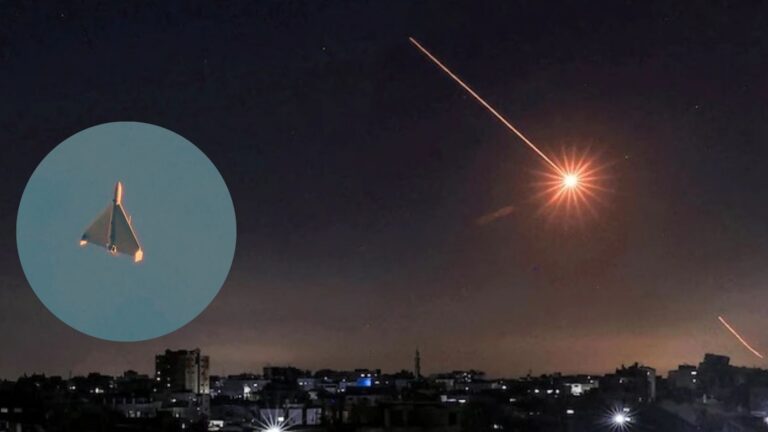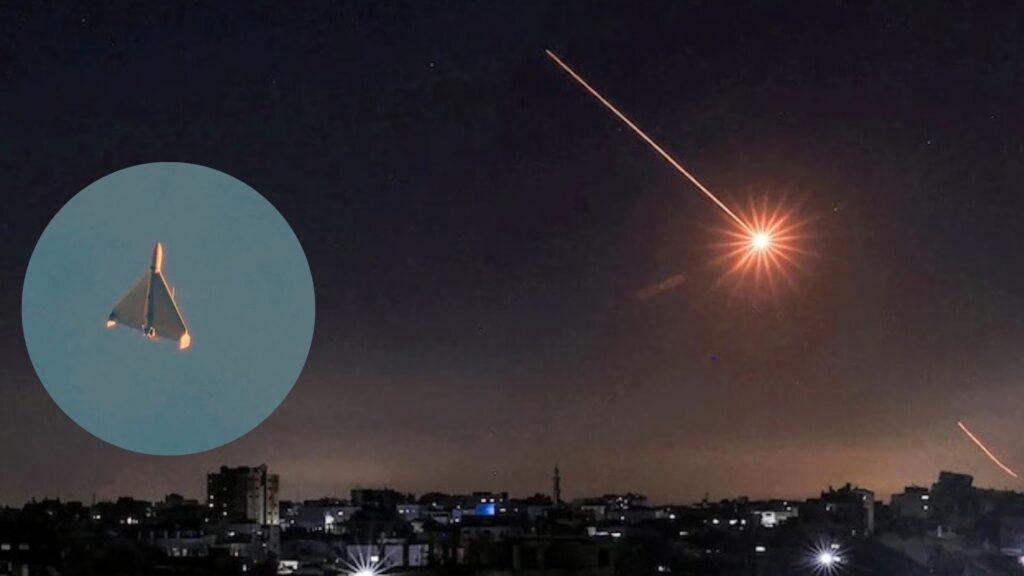
Ukrainian military analysts have documented a first: a Russian Shahed-type attack drone modified to carry and fire a man-portable air defence system (MANPADS). This adaptation, reported by Ukrainian outlets, marks a significant escalation in the drone warfare arms race, turning a slow, explosive-laden loitering munition into a potential hunter of Ukrainian aircraft.
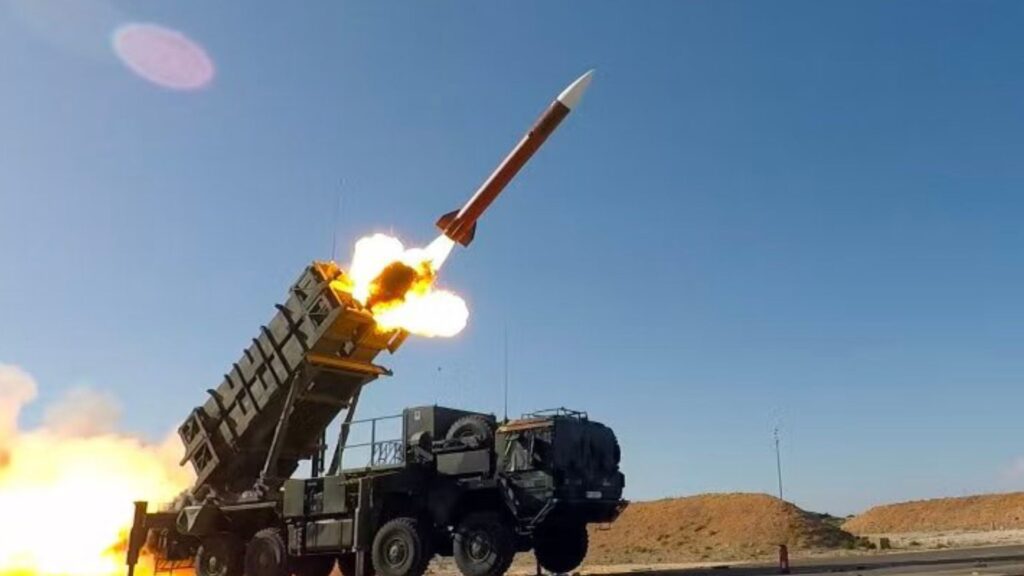
The discovery was first reported on January 4 by Ukrainian media. According to Flash, the attack UAV was found equipped with the portable missile launcher, a weapon designed to destroy low-flying helicopters, aircraft, and drones. This innovation suggests Russian forces are attempting to use their abundant Shahed drones—typically used for long-range strikes on static targets—in a new, tactical air-defence role. The primary goal is likely to counter Ukraine’s effective use of attack helicopters and fixed-wing aircraft near the front lines, creating unexpected threats in contested airspace.
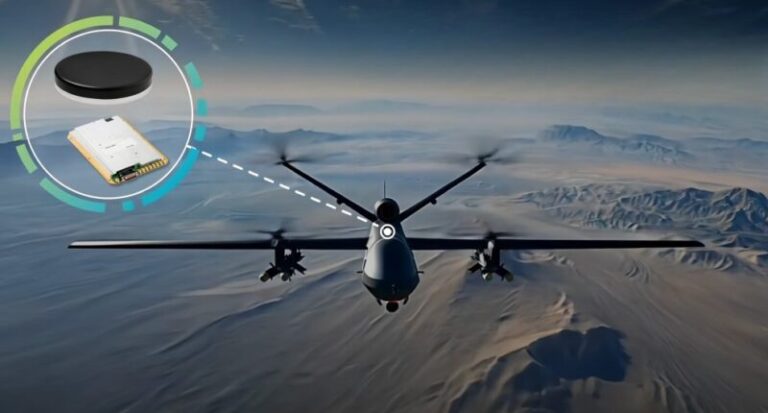
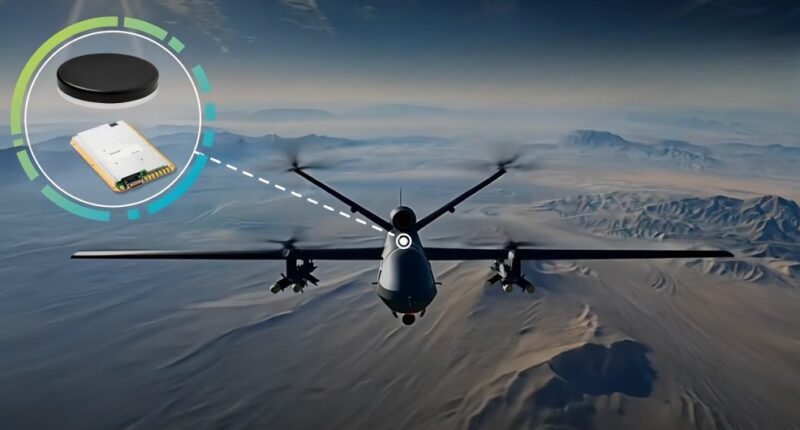
This is not an isolated modification but part of a clear pattern of rapid adaptation. Just days earlier, on January 2, military blogger Beskrestnov reported finding an infrared spotlight on a Shahed, a device likely intended to blind or confuse the sensors of Ukrainian interceptor drones. As previously stated by Ukrainska Pravda, Russia has also been installing radio modems on Shahed and Gerbera drones, creating a networked swarm that can be controlled in real-time from inside Russia. Earlier in November, rear-view cameras became a frequent sight on Russian drones, a direct countermeasure against pursuing Ukrainian anti-aircraft UAVs.
READ ALSO: https://modernmechanics24.com/post/robot-companion-for-lonely-kids/
The integration of a MANPADS represents a quantum leap in complexity and threat. While it adds weight and likely reduces the drone’s range and loiter time, it fundamentally changes its mission profile. A typical Shahed flies a pre-programmed course to crash into a target. A MANPADS-armed version could lurk behind the front line, using its camera and radio link to identify and engage Ukrainian aircraft, with the missile launch commanded by an operator in Russia. A Ukrainian military source, quoted by Ukrainska Pravda, issued a stark warning to pilots: “The missile is launched by the Shahed operator… I ask army aviation pilots to take note… Avoid approaching the Shahed on a head-on course and be more careful.”
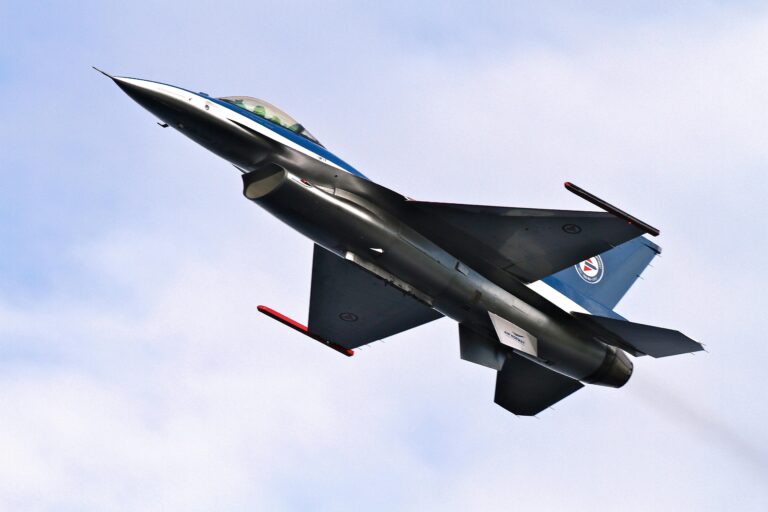
The tactical implications are serious. Ukrainian pilots, already facing dense ground-based air defenses, would now need to contend with mobile, low-altitude, and hard-to-detect aerial launch platforms. It forces a reconsideration of how close aircraft can operate to known drone ingress routes. While the effectiveness of this jury-rigged system against fast-moving jets is unproven, it poses a severe threat to helicopters and slower-moving support aircraft.
WATCH ALSO: https://modernmechanics24.com/post/chinese-company-new-humanlike-robot/
This development underscores the intensely iterative nature of the war in Ukraine, where both sides constantly innovate to gain an edge. Russia’s move to weaponize its attritional strike drones with air-to-air capabilities is a troubling evolution, blurring the lines between offensive loitering munitions and defensive air combat platforms. It promises to make the skies over the battlefield even more dangerous and complex for Ukrainian air power.