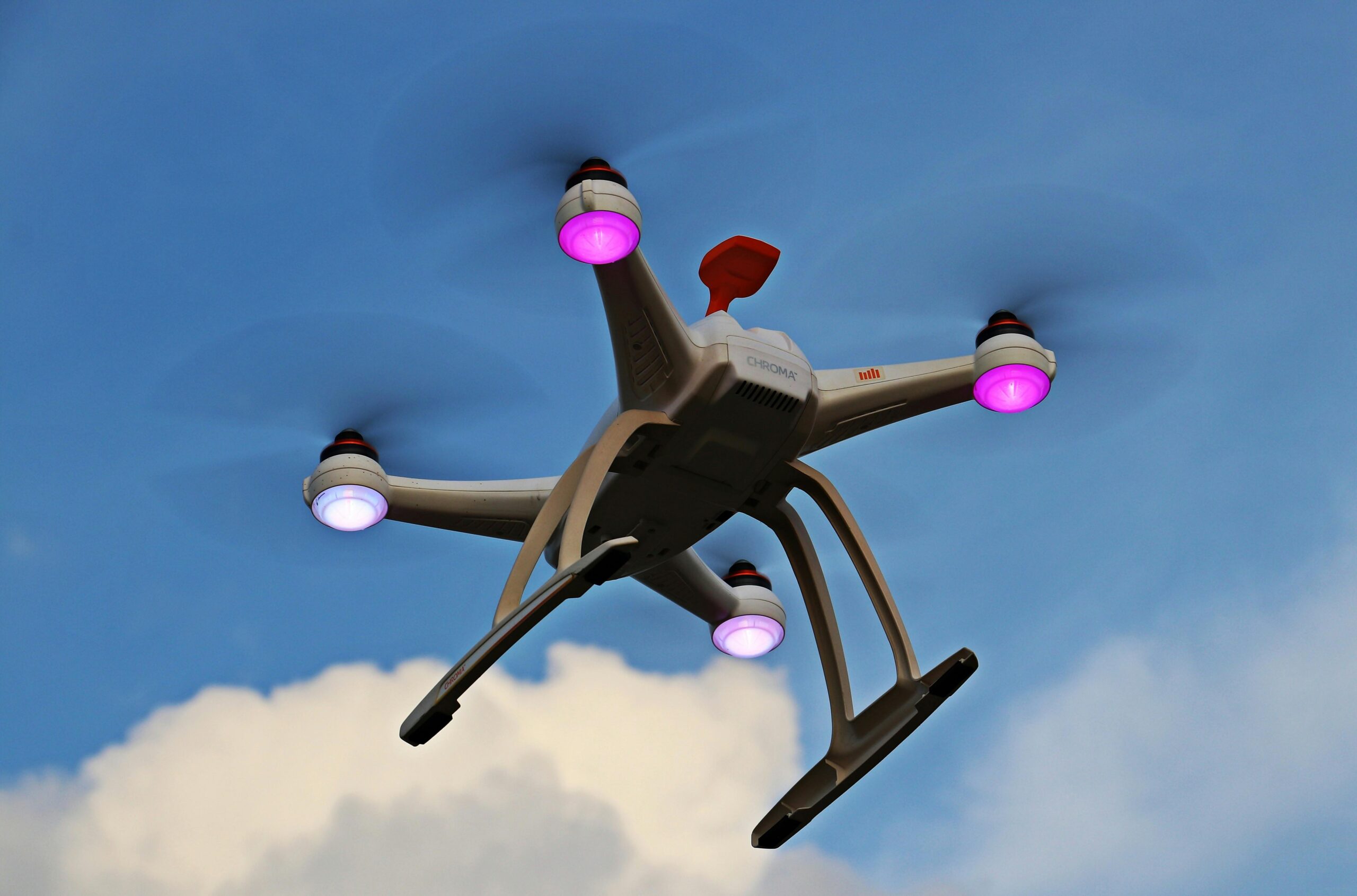
The race to keep drones aloft indefinitely is heating up, with DARPA and private firm PowerLight Technologies achieving major breakthroughs in laser power beaming. Recent tests have successfully delivered hundreds of watts to kilowatts of power over several miles to drones in flight, aiming to eliminate the need for landing and revolutionize long-endurance missions for military and commercial applications.
Imagine a surveillance drone that never has to come down, a delivery UAV that completes cross-country trips without stopping, or an emergency response craft that can hover over a disaster zone for days. This isn’t science fiction—it’s the active goal of cutting-edge wireless power technology. The key to unlocking perpetual flight may not be a better battery, but a high-powered beam of light shot from the ground to the sky.
About the product targets a fundamental limitation of modern drone operations: finite battery life. It solves the problem of mission interruption and logistical tethering by developing systems that can wirelessly recharge drones while they are still in the air, be it over remote terrain or in contested environments.
READ ALSO: https://modernmechanics24.com/post/berkeley-lab-builds-ai-energy-materials/
Two primary technological approaches are leading the charge. The first, explored by DARPA, involves both electromagnetic waves and optical lasers. In a significant milestone, DARPA’s Persistent Optical Wireless Energy Relay (POWER) system trials in New Mexico delivered a record 800 watts of power via laser over a distance of 5.3 miles (8.6 km). Concurrently, academic research has laid important groundwork. Dr. Ifana Mahbub of the University of Texas at Dallas, funded by a $750,000 DARPA grant, founded KinetixBeam to develop far-field wireless charging using advanced phased arrays and rectennas.
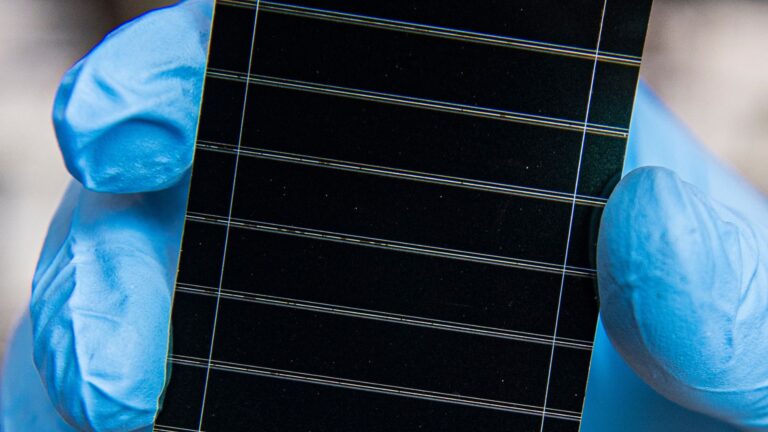
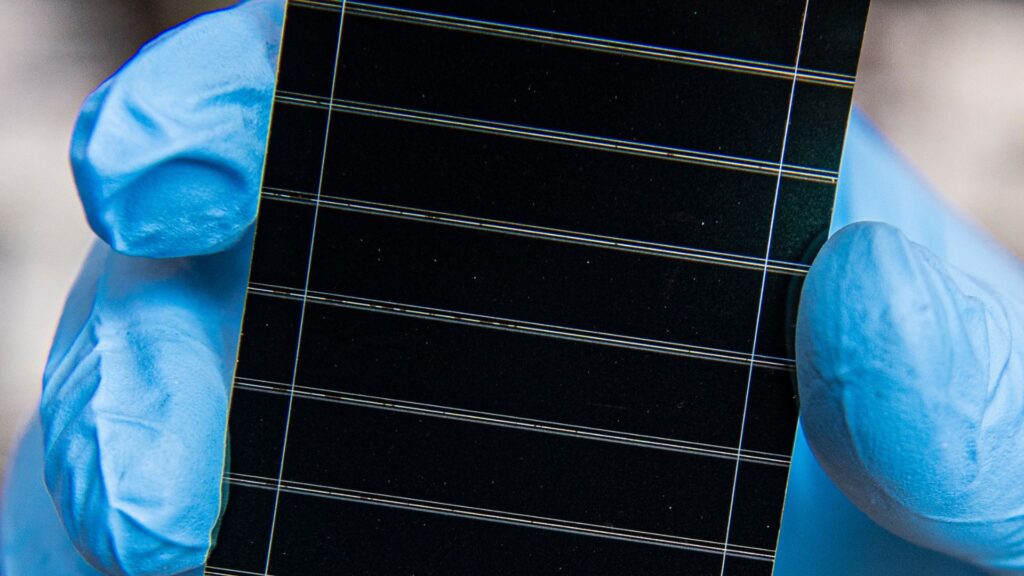
The basic function of the more advanced laser-based system, pioneered by PowerLight Technologies, works like a highly sophisticated, long-range solar panel. A ground-based transmitter converts electrical power into a high-intensity, non-visible laser beam. This beam is shaped, aimed, and safely tracked onto a drone flying overhead. A specialized photovoltaic receiver on the drone’s belly converts the laser light back into electricity to charge its batteries, all without a physical connection.
Further along in practical development, PowerLight Technologies has demonstrated a system capable of delivering kilowatt-class power to a drone flying at 5,000 feet. Their portable transmitter can track a UAV, and they recently tested a 6-lb (2.7-kg) receiver mounted on a K1000ULE military drone. The company states its subsystems are “entering the final stages of validation,” with full integrated flight trials planned for this year.
WATCH ALSO: https://modernmechanics24.com/post/humanoid-robots-engage-chat-unscripted/
The innovator and engineer roles in this field are vividly displayed. Visionary funding and challenge-setting from DARPA have sparked innovation from academics like Dr. Ifana Mahbub. Meanwhile, the engineering marathon has been run by companies like PowerLight Technologies, which has spent two decades refining the complex optics, safety systems, and control software to make laser power beaming a reality.
The summary of its value is transformative for autonomy. Success would mean drones with virtually unlimited range and loiter time, drastically changing their utility in defense, logistics, telecommunications, and environmental monitoring.
However, a clear limitation remains the technology’s current maturity and scale. While laboratory and field tests are promising, integrating robust, weather-resistant, and widely deployable systems into diverse operational drone fleets is the next immense hurdle. The path from successful demo to standard equipment is a significant engineering and commercialization challenge.
READ ALSO: https://modernmechanics24.com/post/tesla-expands-model-y-europe-canada/
The dream of drones that fly forever is coming into sharp focus. Through a combination of military research initiatives and dedicated private-sector engineering, laser power beaming is transitioning from a theoretical concept to a tested technology. The work of DARPA, PowerLight, and academic pioneers is steadily cutting the final wire holding drones back: the power cord.