China’s commercial space sector is entering a new phase of price competition with global players. Its new Kinetica-2 rocket is now nearing the cost levels of top international launch vehicles.
Developed by CAS Space, the rocket made its first successful flight earlier this week. It lifted off from the Jiuquan Satellite Launch Center in northwestern China.
During this mission, the rocket carried three satellites into orbit. These included a prototype cargo spacecraft and a small space laboratory satellite.
READ ALSO: Liftoff to the Moon: Artemis II Launch Marks First Human Lunar Flyby in 50 Years
Kinetica-2 Matching Falcon 9 on Price
According to company officials, Kinetica-2 currently costs around 30,000 yuan per kilogram of payload. This is roughly $4,350 per kilogram.
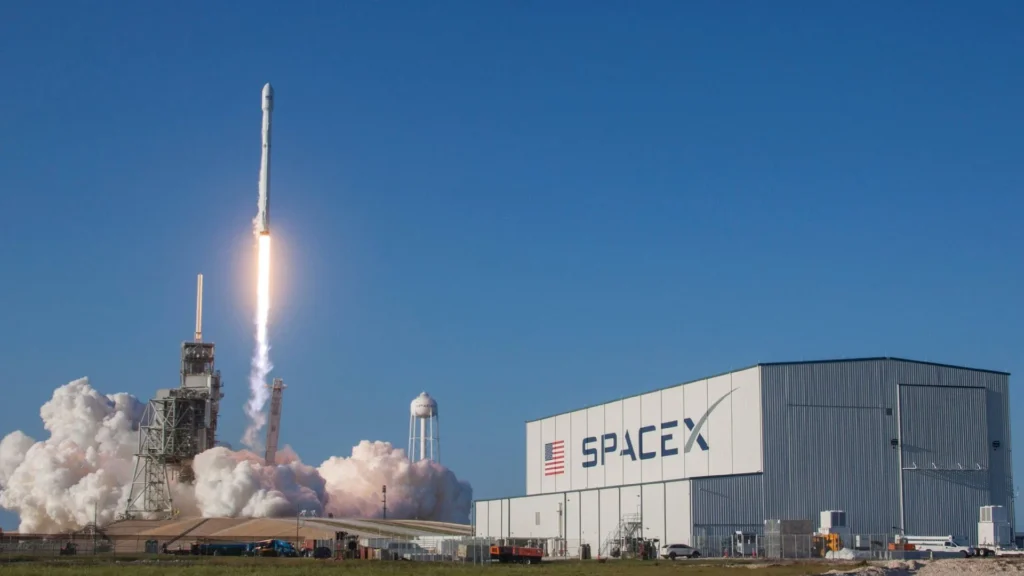
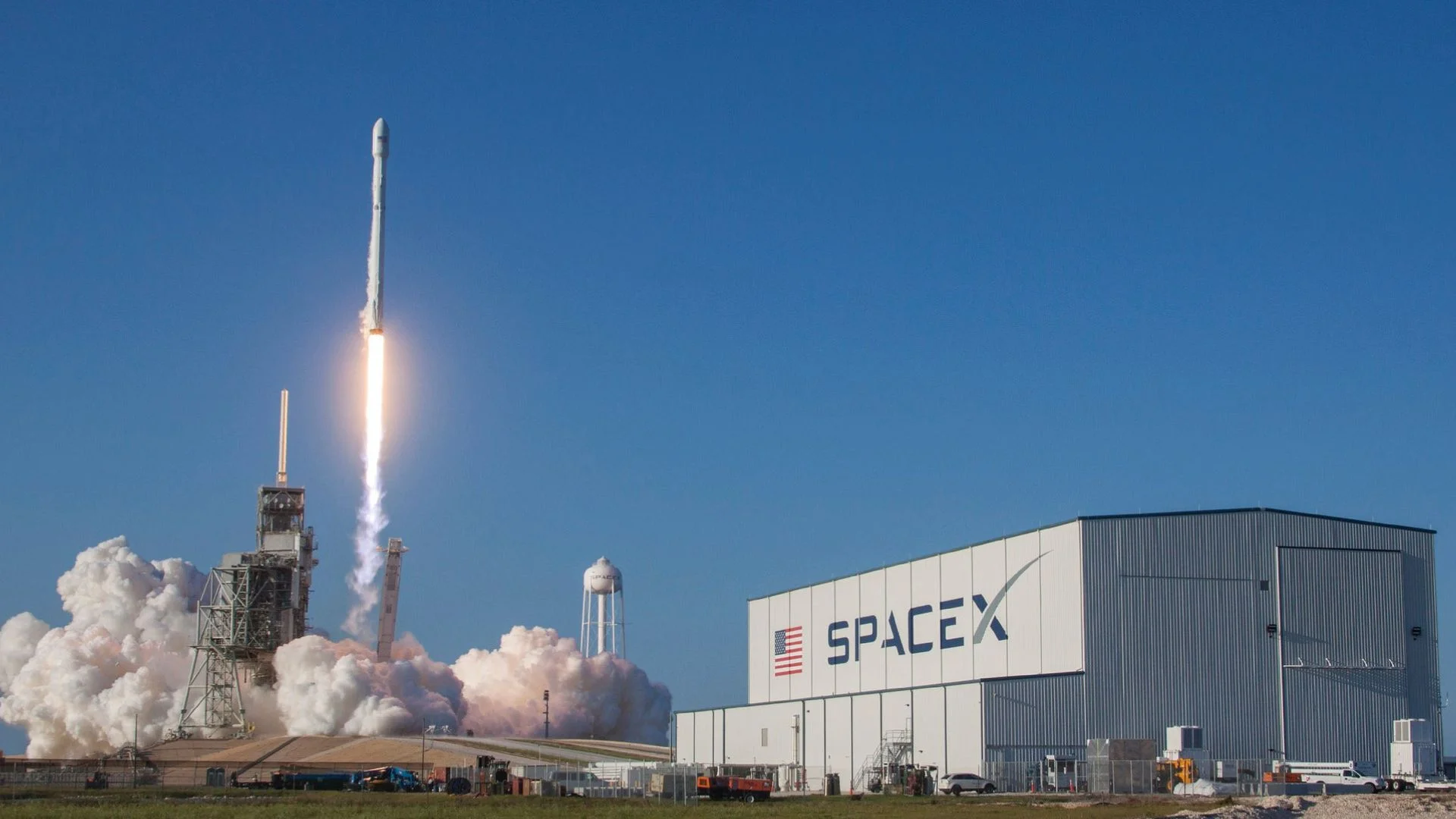
Yang Haoliang, vice-president of CAS Space, said the rocket’s pricing is now close to that of SpaceX’s Falcon 9.
He stated that Falcon 9’s cost is around $5,000 per kilogram in some cases. This figure comes from ride-share missions, where multiple customers share the cost of a single launch.
However, SpaceX’s pricing has changed over time. The company’s official website now lists small satellite ride-share launches at about $7,000 per kilogram. This shows that pricing depends on mission type and market conditions.
WATCH ALSO: Elon Musk’s Starlink connects 22,000 students across Ghana with high-speed internet from space
Reusability: The Next Big Step
Right now, Kinetica-2 is not reusable. But CAS Space is already working on that.
Yang said the company is testing a recovery system for the rocket’s first stage. These tests are expected later this year. He added, “We are actively advancing booster recovery to reduce costs.”
If the rocket becomes reusable, its launch cost per kilogram could drop by half. This would make it significantly cheaper than current competitors.
Kinetica-2 stands out because of its modular design. The rocket uses a common booster core system. This means the main body and side boosters share the same design. This approach helps reduce manufacturing complexity and cost.
A similar concept is used in SpaceX’s Falcon Heavy rocket, which combines multiple Falcon 9 boosters.
READ ALSO: Virgin Galactic Targets Suborbital Q4 Return, But Can It Overcome Mounting Losses?
Payload Capacity and Future Use
Kinetica-2 is a medium-lift rocket designed for commercial missions. It can carry up to 12 tonnes into low Earth orbit. For a sun-synchronous orbit at around 500 km altitude, it can carry up to 8 tonnes.
With additional boosters, its capacity could increase to 20 tonnes. CAS Space says the rocket will support low-cost cargo missions and large satellite networks in orbit. These networks are becoming more important for communication, navigation, and Earth observation.
WATCH ALSO: Chinese company unveils new robot that has human-like appearance
Expanding China’s Commercial Space Push
Until now, China has mainly used the Tianzhou cargo spacecraft for delivering supplies to its Tiangong space station. Kinetica-2 offers a more flexible, commercial option.
The company has also built a new manufacturing facility in Shaoxing, in eastern China’s Zhejiang province. This factory is expected to produce up to 12 rockets each year once fully operational.
The global space launch market is becoming more competitive. Companies are focusing on lowering costs and increasing launch frequency.
While SpaceX still leads in reusable rocket technology, China’s commercial players are quickly catching up in pricing and production. Kinetica-2’s debut shows that cost competition is no longer one-sided.
If CAS Space succeeds in making the rocket reusable, it may change the balance even further. For now, the race to make space access cheaper continues, and it is getting more intense with every launch.