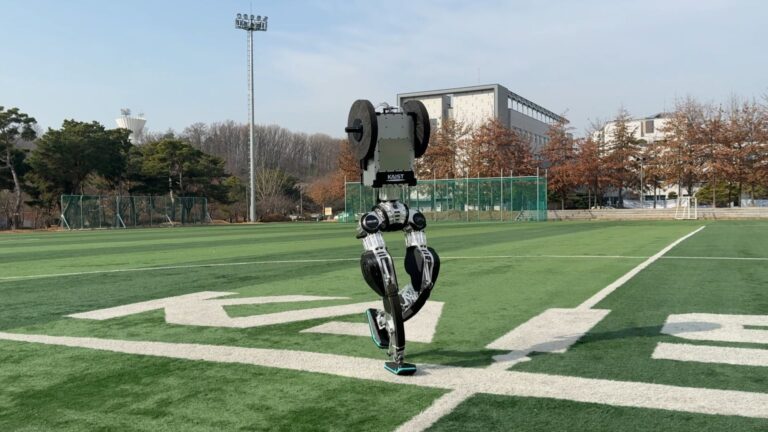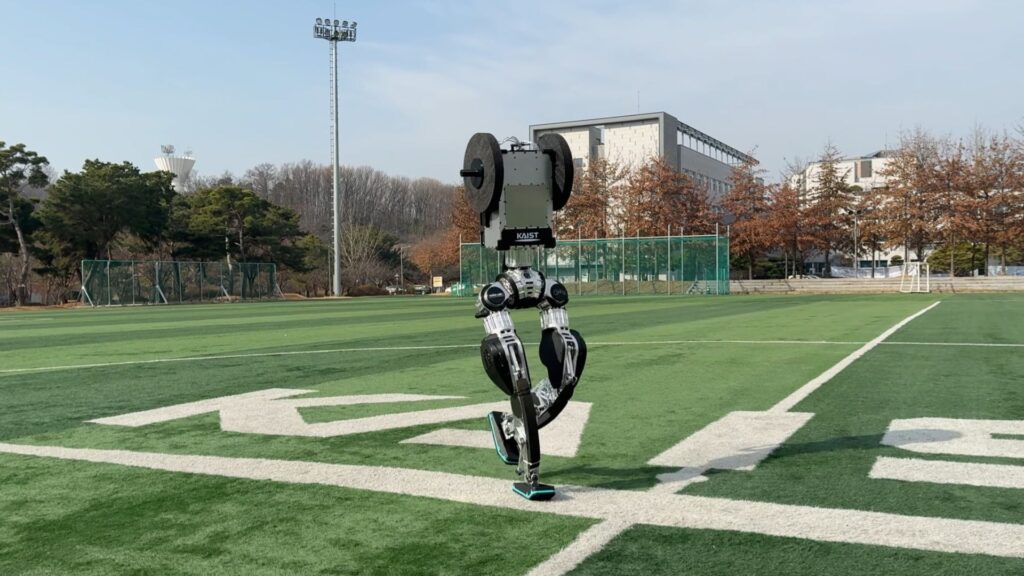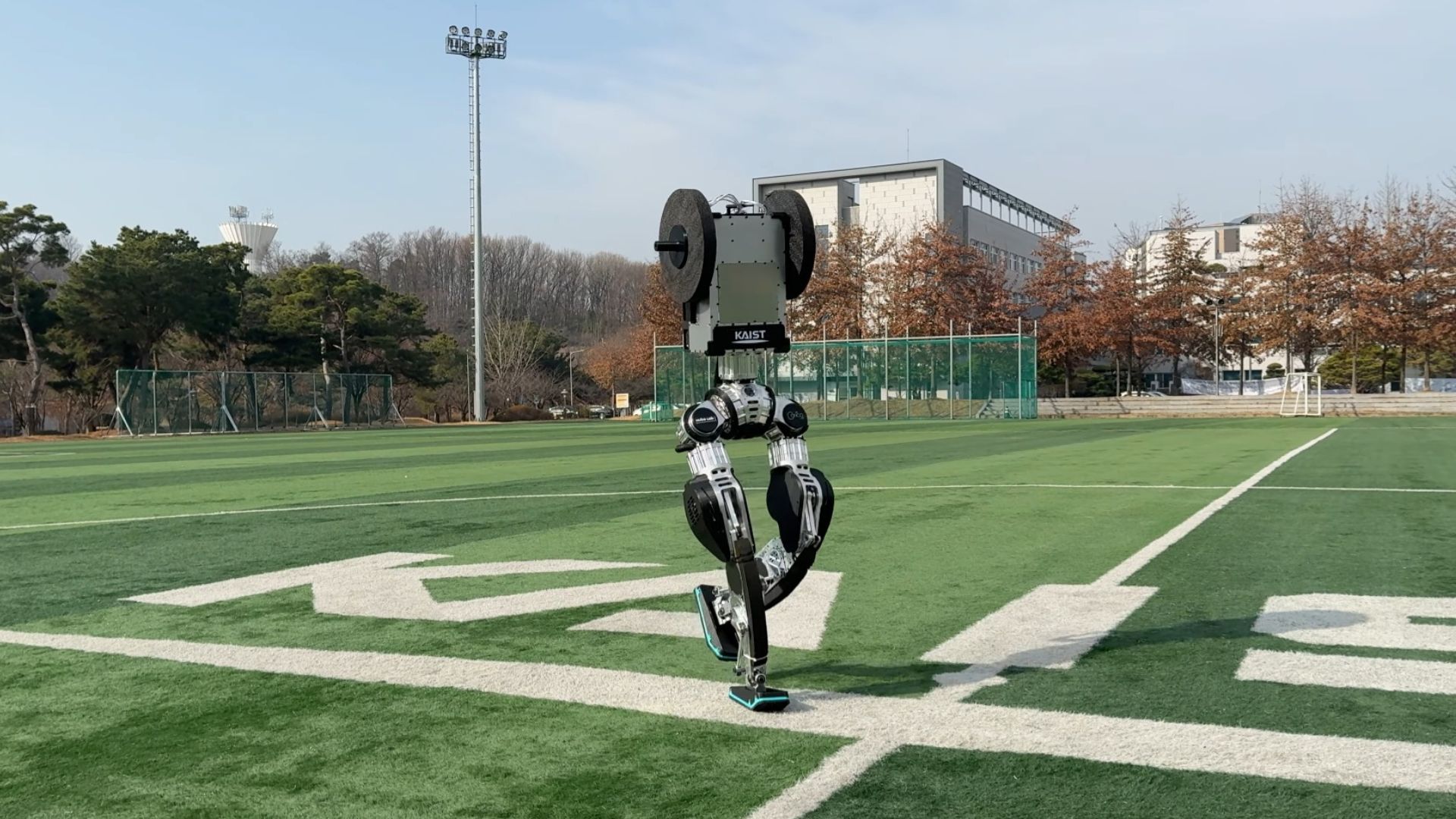
Engineers at Korea Advanced Institute of Science and Technology (KAIST) have introduced a humanoid robot that is drawing attention for its fluid movements and control.
The Humanoid v0.7 can perform a moonwalk and play soccer, showcasing a new level of coordination in robotics.
The robot was developed by KAIST’s DRCD laboratory. It demonstrates balance and motion control in ways that closely resemble human actions. In one test, the robot smoothly executed a moonwalk, maintaining stability as it shifted weight and direction.
READ ALSO: China Builds Artificial Floating Island to Unlock Secrets Hidden in Deep Seas
Researchers say the key to this performance is ‘Physical AI.’ This system allows the robot to understand movement, space, and timing together. Unlike traditional AI, it connects real-world sensing directly with motion control.
“The robot adjusts instantly to its surroundings,” the engineers explained. “It uses real-time data from sensors to guide every step and movement.”
WATCH ALSO: China commissions world’s largest open-sea offshore solar photovoltaic project
The same system helps the robot play soccer. It can track the ball, move across the field, and respond to changes in position. This shows strong spatial awareness and quick decision-making.
To train the robot, the team used virtual simulations along with real-world testing. This method enabled the robot to learn more quickly and refine its movements before executing them physically.
The v0.7 model also highlights how hardware and software now work closely together. This integration helps the robot remain stable even during fast, complex actions.
READ ALSO: A Heat-Safe Battery Debuts on NYC Rooftops: Here’s What Makes It Different
KAIST researchers believe this is a step forward in building robots that can operate in everyday environments. The ability to combine balance, awareness, and motion may open new uses in homes, workplaces, and beyond.
The team plans to continue improving how Physical AI works with advanced sensors, aiming to make future humanoid robots even more capable.