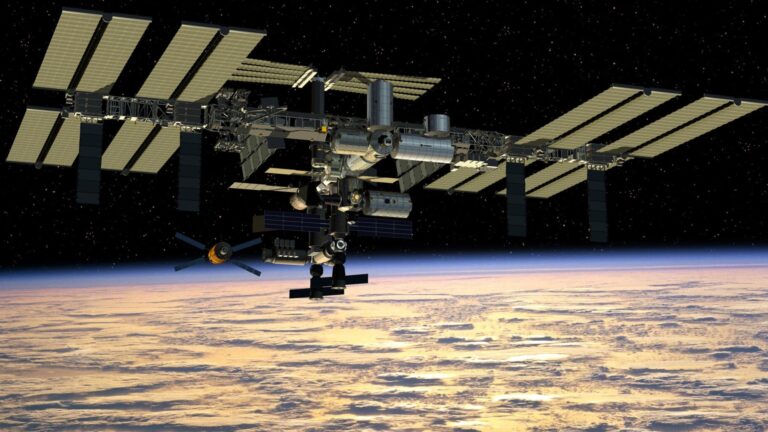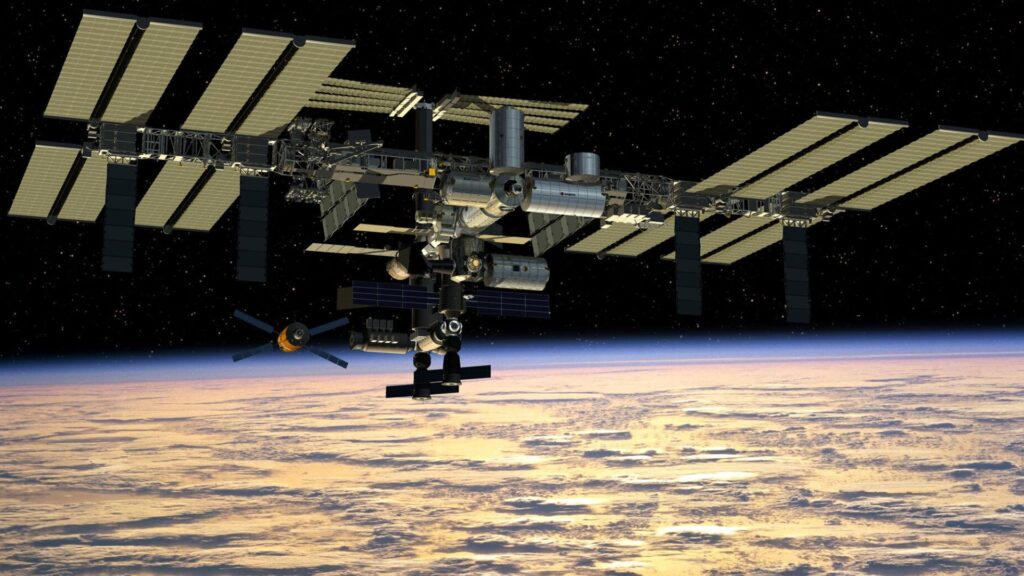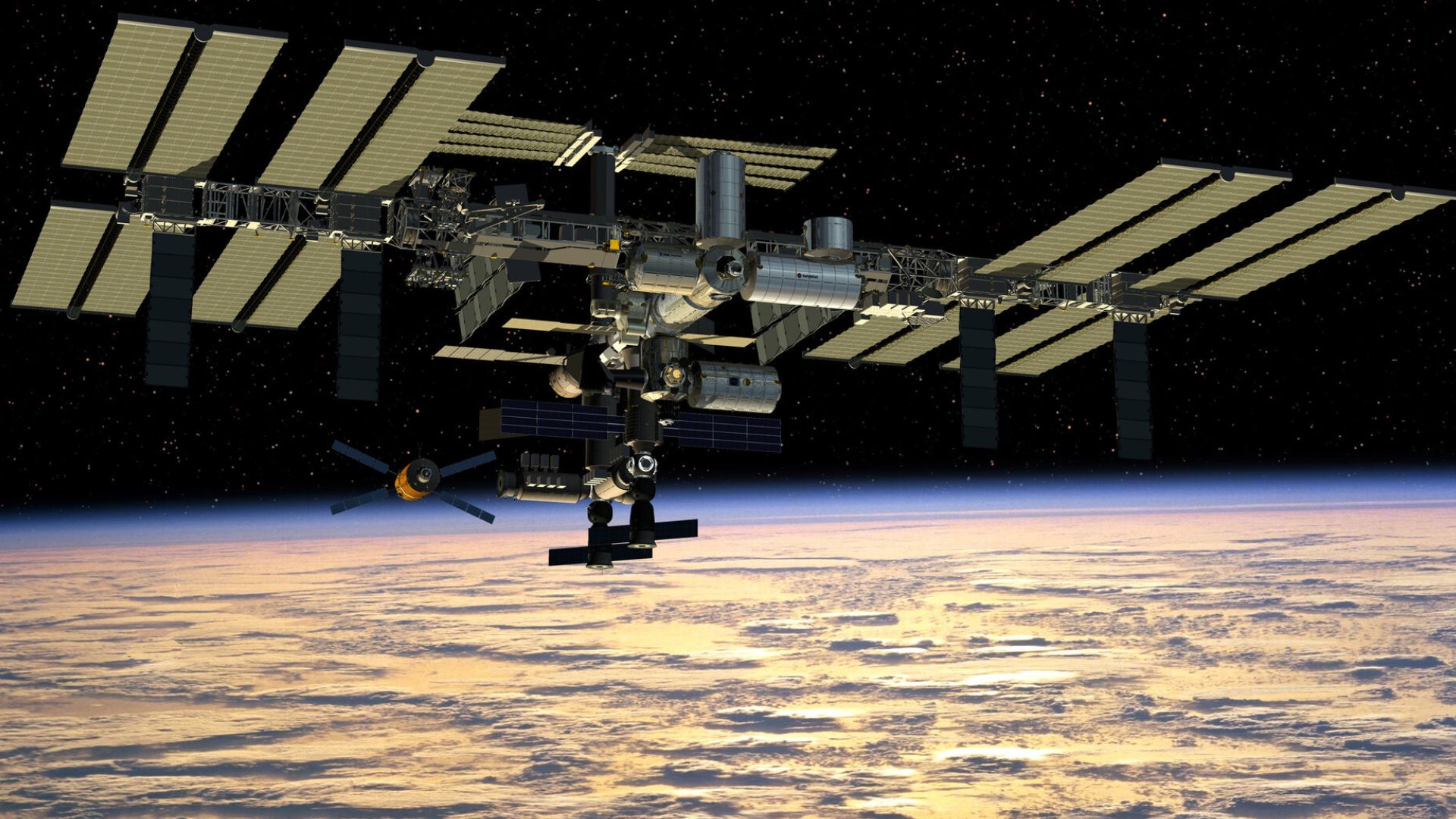
As NASA prepares to retire the International Space Station (ISS) by 2030, a new era of commercial space stations and low-Earth orbit missions is taking shape.
The International Space Station (ISS) has been a symbol of global cooperation and scientific progress for decades. Since its launch in 1998, it has supported astronauts from multiple countries and enabled groundbreaking research in microgravity.
However, its journey is now nearing an end. The station will be safely deorbited and will burn up in Earth’s atmosphere.
This planned retirement does not mean the end of human presence in space. Instead, it marks the beginning of a new era.
Private companies are stepping forward to build the next generation of space stations. These commercial platforms aim to take over research, manufacturing, and human habitation in low-Earth orbit.
Rise of Commercial Space Stations
The shift from government-led missions to private sector involvement is reshaping space exploration. NASA is now encouraging companies to design and operate space stations, becoming a customer rather than the sole operator. This model is expected to reduce costs and boost innovation.
READ ALSO: Anthropic Seeks Chemical Weapon Experts; AI Safety Concerns Deepen Globally
Several companies are already working on advanced designs. These new stations promise improved efficiency, modern technology, and wider access for different users. They are expected to support not just astronauts, but also scientists, private firms, and even tourists.
Axiom Space Leading the Transition
Axiom Space is one of the most advanced players in this race. The company has received strong financial support from NASA under the Low-Earth Orbit Destinations program. It secured $140 million in funding and raised an additional $350 million from private investors.
The company has already started building its space station. Its partner, Thales Alenia Space, is developing the first module. This module is scheduled to launch to the ISS in 2027. Once attached, it will allow Axiom to test its systems in orbit.
After successful testing, the module will detach and operate independently. Axiom plans to expand the station by adding multiple modules over time.
These will include living quarters and research facilities. A unique feature is the SEE-1 entertainment module. It could become the first venue in space for media production and leisure activities.
Vast Space and Its Modular Vision
Vast Space is another major contender. The company is focusing on building independent stations from the beginning. Its first project, Haven-1, is expected to launch in early 2027.
WATCH ALSO: EHang’s next-gen autonomous eVTOL completes first public flight
Haven-1 will support up to four astronauts and will focus on short-term missions. It will include crew quarters, a shared living space, and a laboratory. The station is designed for research and commercial activities in microgravity.
Vast Space is also planning a larger system called Haven-2. The first module is expected to launch in 2028. Additional modules will be added every six months. By 2030, the station could support up to eight astronauts. By 2032, it may expand further to accommodate 12 crew members.
The company has raised $500 million in private funding. It is also competing for future NASA contracts to support its expansion plans.
Blue Origin and Sierra Space Collaboration
Blue Origin and Sierra Space are working together on an ambitious project called Orbital Reef. The companies describe it as a “mixed-use business park” in space. The station aims to support research, industrial work, and commercial activities.
Orbital Reef is planned to orbit about 400 kilometers above Earth. In its initial phase, it will consist of five modules. These include a central hub, a research module, and an expandable habitat. The station can support up to 10 crew members.
READ ALSO: How Lightweight Hip Exoskeleton Helps Stroke Survivors Walk
NASA has already awarded $172 million to the project. The team has also completed key testing milestones. These include full-scale mockups where people simulated daily life aboard the station. Such tests are helping improve the design.
However, the project is still in the design phase. While the companies aim to launch by 2027, the timeline may change depending on development progress.
Starlab Space LLC Moving Ahead
Starlab Space LLC is another strong competitor. It is a joint venture between Voyager Space and Airbus. The company is developing the Starlab space station with NASA’s support.
Starlab recently passed an important NASA review. This allows the company to move forward with building and testing its station. The design focuses on simplicity and efficiency.
The station will launch as a single unit in 2029. It will include a service module and a habitat module. Starlab will support up to four astronauts at a time.
A key feature is its laboratory system. The Internal Payload Laboratory will support biological and human studies. The External Payload Laboratory will allow experiments in open space conditions. This setup will make Starlab a strong platform for research and technology testing.
Max Space and Inflatable Innovation
Max Space is a newer company in the race. It has introduced plans for the Thunderbird space station. This design uses inflatable habitat technology, unlike traditional rigid structures.
WATCH ALSO: Chinese humanoid robot plays basketball with almost human-like accuracy
Once deployed in orbit, the station will expand. It is expected to provide more than 12,000 cubic feet of space. This could make it one of the most spacious space stations ever built.
Thunderbird will support up to four astronauts. It will include research equipment and payload lockers for various missions. The company is targeting a 2029 launch.
Before that, Max Space plans to test its expandable habitat technology in orbit by 2027. It has also received strategic investment from Voyager Technologies to support development.
Opportunities in New Space Economy
The transition to private space stations is expected to create new opportunities. These platforms will support advanced microgravity research. Scientists can study materials, medicine, and biological processes in ways not possible on Earth.
Commercial manufacturing is another key area. Companies may produce high-value products such as advanced materials and pharmaceuticals in space. Space tourism is also likely to grow, with private individuals able to visit orbit.
Some companies are even exploring entertainment options. From film production to live events, space could become a new frontier for media and creativity.
Challenges Ahead
Despite the excitement, there are significant challenges. Building space stations is complex and costly. Companies must ensure safety and reliability at all times. Any failure in space can have serious consequences.
Funding is another major concern. While initial investments are strong, long-term success depends on steady demand. Companies need customers for research, tourism, and industrial use.
READ ALSO: BYD Unveils 1,000 km+ Electric Car to Rival Porsche, Is it World’s Longest-Range EV?
There are also technical challenges. Launch schedules, module integration, and life-support systems require precise planning. Delays in any area can impact the overall timeline.
The Future Beyond 2030
The retirement of the ISS will mark the end of an era, but it will also open new possibilities. Private companies are bringing fresh ideas and competition to space exploration. Their efforts are expected to ensure that humans continue to live and work in orbit.
With multiple projects underway, the future of low-Earth orbit looks promising. These new space stations could redefine humanity’s use of space. They may also serve as stepping stones for deeper missions to the Moon and Mars.
Since 2030 approaches, the race is intensifying. The success of these companies will shape the next phase of space exploration. The ISS may be nearing its end, but the journey of human presence in space is far from over.