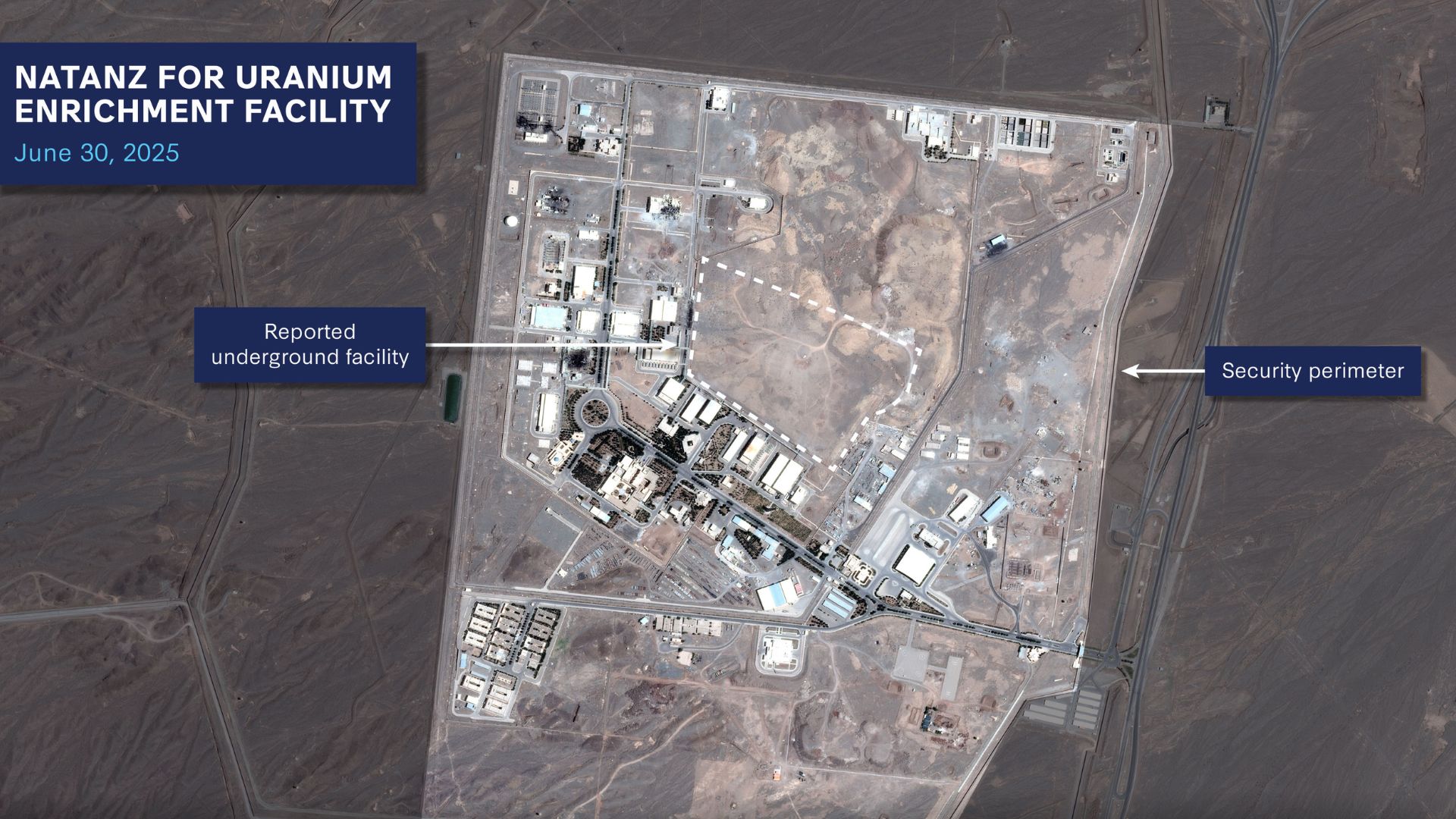
The US is considering a possible special forces operation to seize Iran’s highly enriched uranium, as officials worry the material may have been moved from known locations.
According to diplomatic officials familiar with the discussions, President Donald Trump is reviewing the option of sending ground forces if intelligence confirms where the uranium is stored. The deliberations come months after the US and Israel carried out strikes on Iran’s key nuclear facilities during a brief war last June.
Officials say uncertainty over Iran’s uranium stockpile has grown because international inspectors have not verified its location for nearly nine months.
Speaking aboard Air Force One, Trump acknowledged that the US could target the material in the future.
“They haven’t been able to get to it, and at some point, maybe we will,” Trump said. “We haven’t gone after it, but it’s something we can do later on. We wouldn’t do it now.”
One of the main objectives of the US and Israeli strikes was to prevent Iran from developing nuclear weapons. However, the attacks also made it harder to track the country’s highly enriched uranium.
Publicly, US officials say they are confident they know where the uranium is stored. But privately, some officials admit there is less certainty about its exact location.
Before the conflict began, inspectors from the International Atomic Energy Agency (IAEA) monitored Iran’s nuclear sites regularly. They observed unusual activity near underground tunnels outside the city of Isfahan, where the uranium had previously been stored.
READ ALSO: https://modernmechanics24.com/post/how-b-52-bombers-hit-iranian-targets/
Diplomatic sources believe the activity suggests that at least part of the stockpile may have been moved. The material includes about 441 kilograms of highly enriched uranium, which could potentially be refined further to produce roughly 11 nuclear weapons.
Iran also holds more than 8,000 kilograms of uranium enriched at lower levels. It could be upgraded if enrichment facilities resume operations.
US and Israeli officials are now trying to locate the highly enriched material. If its position is confirmed, military planners have discussed several options, including sending special forces to secure it.
A senior US administration official said earlier this month that the uranium could either be neutralized on-site or removed from Iran.
WATCH ALSO: https://modernmechanics24.com/post/isro-gaganyaan-crew-parachute-validation/
“If we control the territory, we can send personnel to dilute the material and dispose of it safely,” the official said. “Another option is to remove it and deal with it somewhere else.”
However, deploying ground troops inside Iran would be a major escalation. Trump said he does not want to discuss such plans publicly, but did not rule out the possibility.
“We would only send troops for a very good reason,” Trump said. He added that Iran would have to be “so decimated that they wouldn’t be able to fight at the ground level.”
Military planners have considered similar operations in the past. After the 1979 US embassy hostage crisis, the Pentagon developed a plan called Project Honey Badger, which envisioned sending thousands of special operations troops into Iran using more than 100 aircraft.
Such missions would likely require heavy equipment to reach buried or hidden nuclear material.
For now, the biggest challenge remains finding the uranium. Before the war, Iran’s nuclear program was one of the most closely monitored in the world. Inspectors visited facilities almost daily.
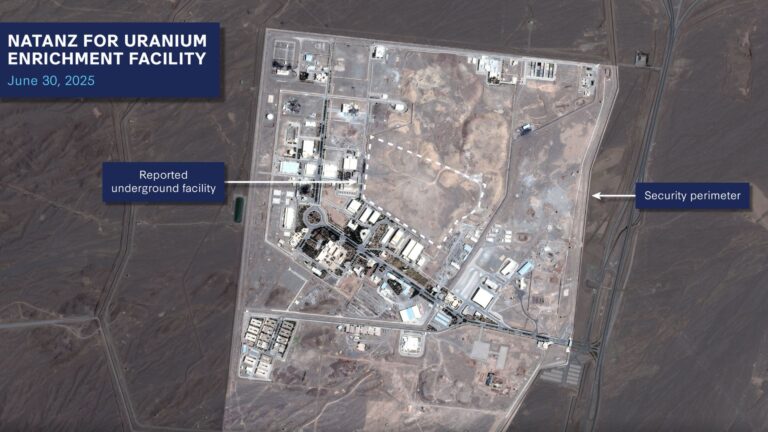
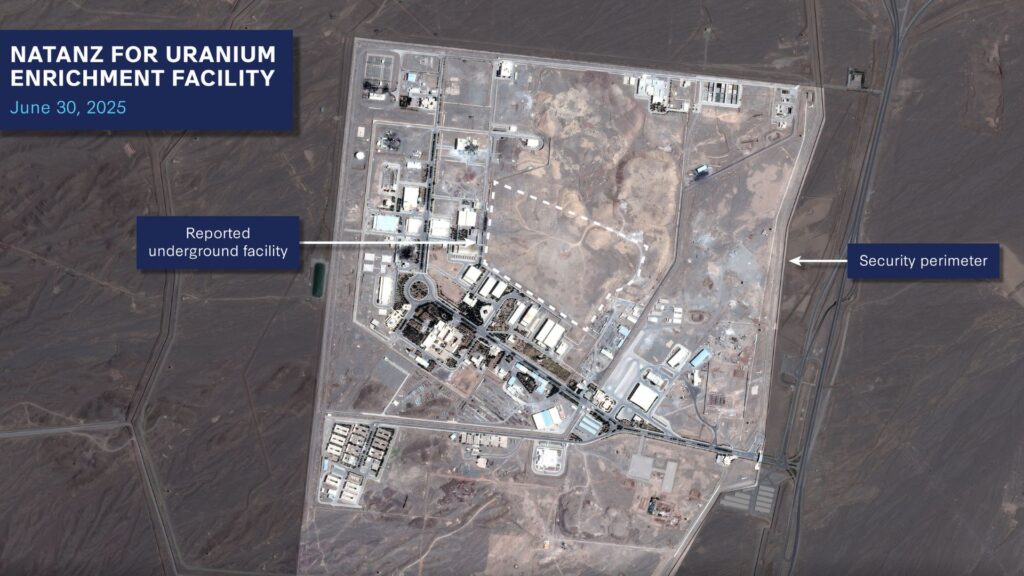
That access ended after airstrikes hit major enrichment sites at Fordow, Natanz, and the uranium processing center in Isfahan.
READ ALSO: https://modernmechanics24.com/post/tesla-model-3-cybertruck-car-hack-risk/
Iran has argued that wartime conditions make normal nuclear inspections impossible.
“Iran cannot implement safeguard measures as if hostilities had not occurred,” said Reza Najafi, Iran’s envoy to the IAEA.
Before the conflict, Tehran had indicated it might reduce or export its highly enriched uranium as part of a diplomatic agreement. Those negotiations collapsed after fighting broke out.
Now, with diplomacy stalled, the US and Israel are reviewing military options to secure the nuclear material.
Experts warn that the uranium could be hidden or spread across multiple locations. According to US estimates, the highly enriched stockpile could fit into around 16 cylinders, each about three feet tall and weighing roughly 25 kilograms. The containers are small enough to be moved by vehicle or even carried by hand.
WATCH ALSO: https://modernmechanics24.com/post/us-air-force-s-sentinel-weapon-improved-range/
Although Iran has not yet decided to build a nuclear weapon, the existence of unmonitored uranium close to weapons-grade remains a serious concern.
The situation has become even more uncertain after the death of Supreme Leader Ayatollah Ali Khamenei during the early hours of the war. His passing has triggered a leadership transition that could influence Iran’s nuclear policy in the future.
Iran, along with China and Russia, has recently said that a diplomatic solution is still possible. But recent statements from Washington suggest the US administration is prepared to pursue military options if necessary.