Tensions in the Middle East have sharply escalated after the US and Israel launched joint strikes on Iran, killing Supreme Leader Ayatollah Ali Khamenei and several senior officials.
Tehran responded quickly. Iranian leaders described retaliation as both a duty and a legitimate right. Missiles were launched toward Israel. US-linked military sites in Gulf countries were also targeted.
The confrontation has raised a major question for regional governments and global markets. Will this remain a limited exchange of strikes? Or will it grow into a prolonged war shaped by Iran’s missile reach, allied groups, and pressure on shipping and energy routes?
At the center of this crisis lies Iran’s military toolkit. Its missile arsenal, drone fleet, and naval capabilities form the backbone of its strategy.
READ ALSO: https://modernmechanics24.com/post/eth-zurich-hydrogel-transform-bone/
Unlike earlier flare-ups, Iranian leaders now frame the conflict as a fight for survival.
In Tehran’s narrative, failing to respond strongly after the killing of Khamenei would signal weakness. Iranian President Masoud Pezeshkian said seeking revenge is the country’s duty and legitimate right.
Iran’s leadership believes that a restrained response could invite further attacks. That belief shapes how it uses its military power.
Iran’s Missile Arsenal: The Core of Its Strategy
Defense analysts often describe Iran’s missile force as the largest and most diverse in the Middle East.
Iran relies heavily on missiles because its air force uses aging aircraft. Missiles allow Tehran to project power across the region without modern fighter jets.
Iran’s longest-range ballistic missiles can travel between 2,000 and 2,500 kilometers. That range allows Iran to strike Israel and US-linked bases across the Gulf. However, these missiles cannot reach the US mainland.
Western governments argue that Iran’s missile program increases regional instability. Tehran insists the program is defensive and meant to deter attacks.
Short-Range Missiles: Iran’s “First Punch”
Short-range ballistic missiles have ranges between 150 and 800 kilometers. They are designed for nearby targets and quick retaliation.
Key systems include the Fattah, Zolfaghar, Qiam-1, and older Shahab-1 and Shahab-2 missiles.
READ ALSO: https://modernmechanics24.com/post/scientists-uncover-organ-health-gene/
These weapons can be launched in large numbers. A volley of short-range missiles reduces warning time. It makes interception more difficult.
Iran used this strategy in January 2020 after the US killed General Qassem Soleimani. Iranian forces fired ballistic missiles at Iraq’s Ain al-Assad airbase. The strike damaged infrastructure and injured more than 100 US personnel.
The attack showed that Iran could cause serious damage without matching US air power.
Medium-Range Missiles: Expanding the Battlefield
Medium-range ballistic missiles give Iran greater reach. These systems can travel between 1,500 and 2,000 kilometers.
Missiles such as Shahab-3, Emad, Ghadr-1, Khorramshahr, and Sejjil form the backbone of this category. Newer systems, such as Kheibar Shekan and Haj Qassem, also strengthen Iran’s arsenal.
The Sejjil missile stands out for using solid fuel. Solid-fuel missiles can be launched more quickly than liquid-fuel systems. That allows faster response times and increases survivability.
READ ALSO: https://modernmechanics24.com/post/china-exoskeleton-robot-mine-rescue/
With these missiles, Iran can target not only Israel but also US-linked facilities in Qatar, Bahrain, Kuwait, Saudi Arabia, and the United Arab Emirates.
This wider reach increases pressure on regional governments. It also expands the potential battlefield.
Cruise Missiles: The Low-Flying Threat
Cruise missiles add another layer to Iran’s strategy.
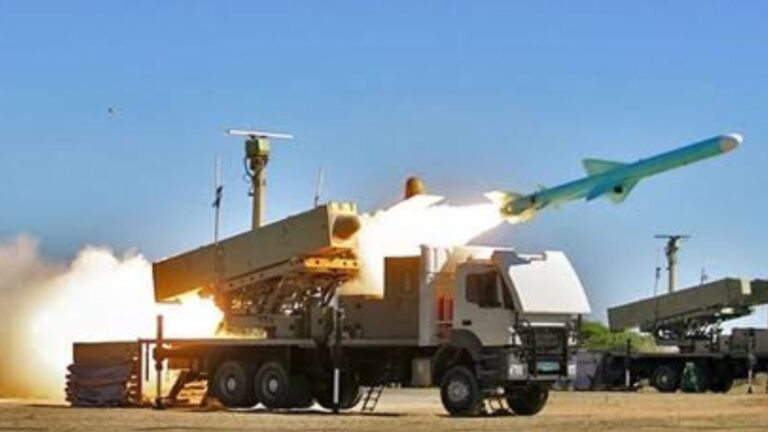
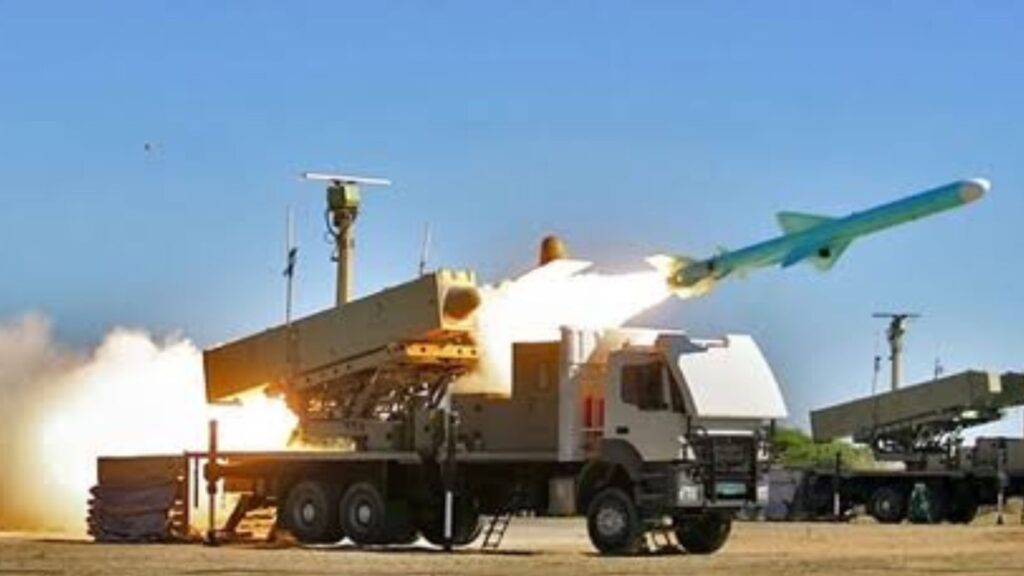
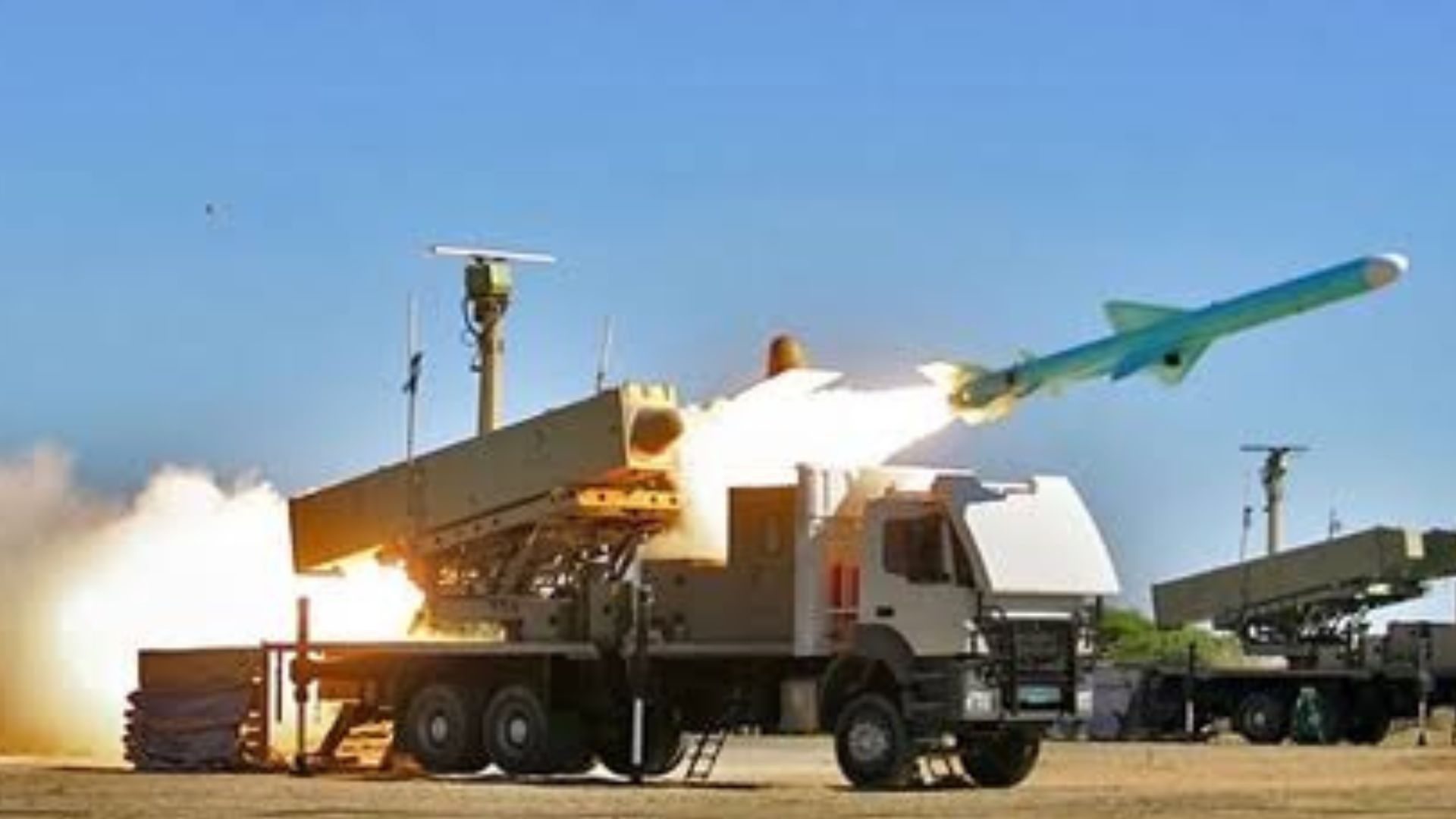
Unlike ballistic missiles, cruise missiles fly at lower altitudes. They can follow terrain and are harder to detect. When launched together with ballistic missiles and drones, they can overwhelm air defenses.
Iran is believed to possess land-attack and anti-ship cruise missiles. These include Soumar, Ya-Ali, Quds variants, Hoveyzeh, Paveh and Ra’ad.
The Soumar missile reportedly has a range of up to 2,500 kilometers.
By mixing missile types, Iran can complicate defense planning. Air defense systems must track threats from multiple directions and altitudes at once.
Drones: Cheap, Effective and Persistent
Drones are another key tool in Iran’s arsenal. They are slower than missiles but cheaper and easier to produce. Iran can launch them in large numbers.
READ ALSO: https://modernmechanics24.com/post/uofg-space-test-facility-win-tech-award/
One-way attack drones, often called suicide drones, can be sent in waves. Their goal is not always to cause massive destruction. Instead, they aim to overwhelm defenses and keep targets on constant alert.
Airports, ports and energy facilities may remain on high alert for hours. If the conflict deepens, Iran will rely more heavily on drone saturation tactics.
Underground “Missile Cities”
Missile numbers alone do not determine the outcome of a war. Survivability matters. Iran has spent years building underground storage tunnels and concealed launch sites. These facilities are often referred to as missile cities.
They are designed to protect weapons from airstrikes. They make it harder for adversaries to destroy Iran’s missile capability in a single wave of attacks.
WATCH ALSO: https://modernmechanics24.com/post/happy-new-year-2026-from-iss/
For US and Israeli planners, this raises a difficult question. Even if they strike missile infrastructure, how much capability would survive?
If significant capability remains, the conflict could turn into a prolonged exchange rather than a short campaign.
The Strait of Hormuz: A Global Pressure Point
Iran’s strategy is not limited to land targets. The Strait of Hormuz is one of the world’s most important shipping lanes. A large share of global oil and gas passes through it.
Iran can threaten shipping using anti-ship missiles, naval mines, drones and fast-attack boats. Even without formally blocking the strait, Iran can disrupt traffic. War-risk insurance premiums can rise. Tankers may wait outside the strait. Shipping costs can increase.
The Islamic Revolutionary Guard Corps (IRGC) has reportedly issued warnings to vessels and claimed strikes on oil tankers linked to Western countries.
Markets react quickly to such developments. Energy prices often rise on fears of disruption. A full blockade is not necessary to create a global economic impact.
US Military Presence in the Gulf
The US has reinforced its naval and air presence in the region. Officials describe it as one of the largest concentrations of US firepower near Iran in years.
This strengthens US air defense and strike capabilities. But it also increases the number of potential targets.
READ ALSO: https://modernmechanics24.com/post/drone-killers-laser-microwave-weapons/
US forces are spread across several Gulf countries. They rely on a network of bases and logistics hubs. Not all locations can be equally protected at all times.
Military analysts warn that even limited successful strikes could shift political calculations in Washington.
Iran’s Allies: Hezbollah and the Houthis
The conflict could widen beyond direct exchanges. Iran maintains close ties with armed groups across the region. These include Hezbollah in Lebanon and the Houthis in Yemen.
Both groups have condemned Khamenei’s killing and signaled alignment with Tehran. If these groups join the fight, Israel and US interests could face pressure on multiple fronts.
That would expand the conflict beyond Iran’s borders.
Tehran’s Message: No Limited War
Iranian officials have repeatedly warned that attacks on Iranian soil would not remain limited. After Khamenei’s killing, that message has hardened.
The IRGC has promised continued retaliation. Iranian media describe the campaign as ongoing rather than a single dramatic strike.
READ ALSO: https://modernmechanics24.com/post/nfs-italy-advanced-stealth-submarine/
Iran’s strategy appears designed to combine missile launches, drone waves, pressure on shipping and the potential involvement of allied groups.
The goal is to raise the cost of confrontation for both the US and Israel.
What Comes Next?
The coming days will determine whether the conflict remains contained or expands. Iran has demonstrated that it possesses a wide range of tools. Ballistic missiles, cruise missiles, drones and naval assets all form part of its strategy.
WATCH ALSO: https://modernmechanics24.com/post/china-massive-tank-live-fire-test/
The US and Israel, in turn, have advanced air defenses and significant military power in the region. Now, the Middle East stands at a critical juncture.
The scale, duration and intensity of this confrontation will depend not only on military capability but also on political decisions in Tehran, Washington and Jerusalem. Global markets, energy supplies and regional stability all hang in the balance.