Nearly 90 million people in Iran are living under a near-total internet blackout. The shutdown has lasted for more than six days and has cut the country off from much of the outside world.
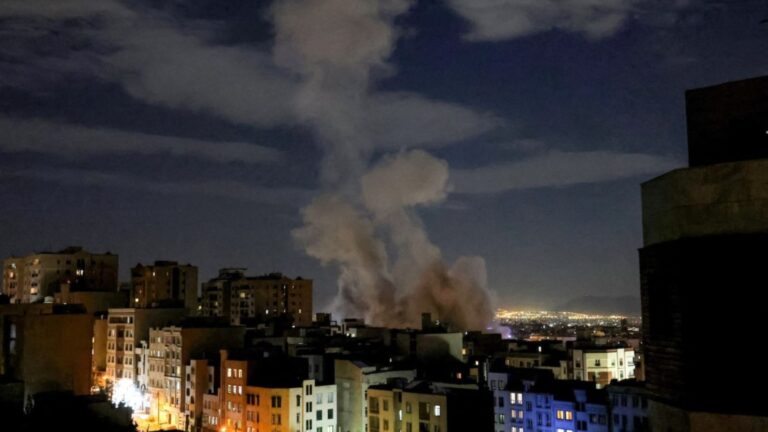
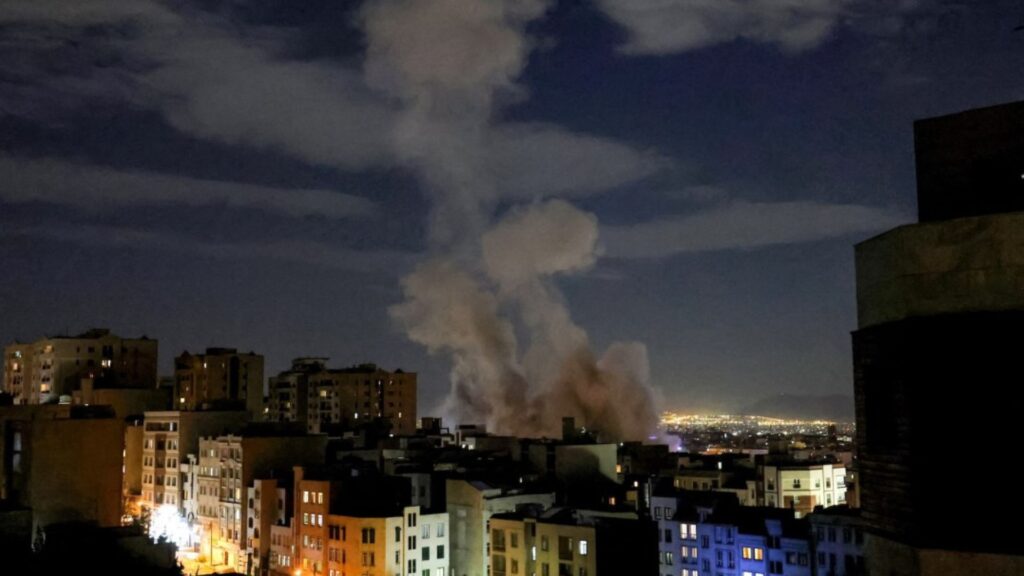
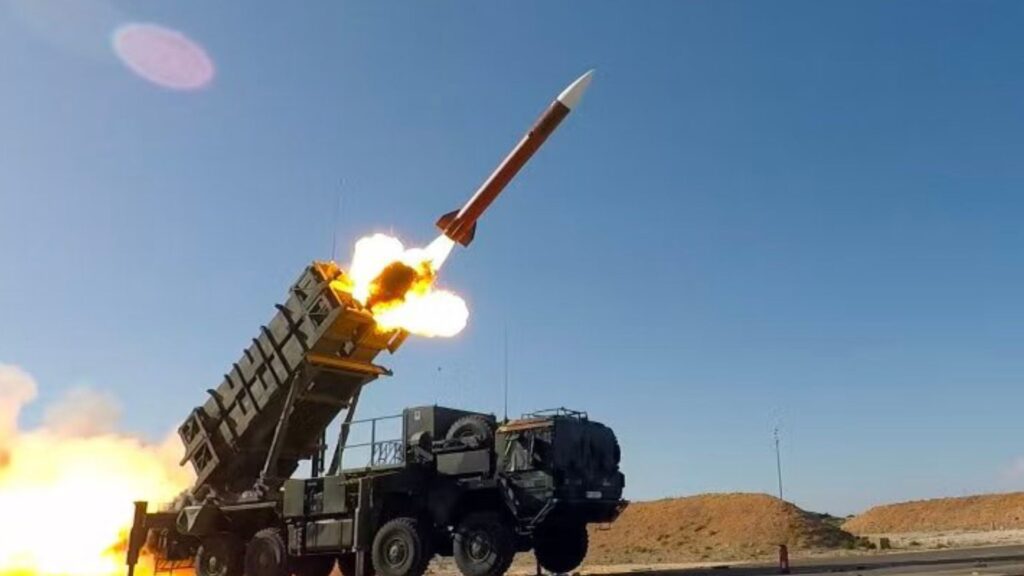
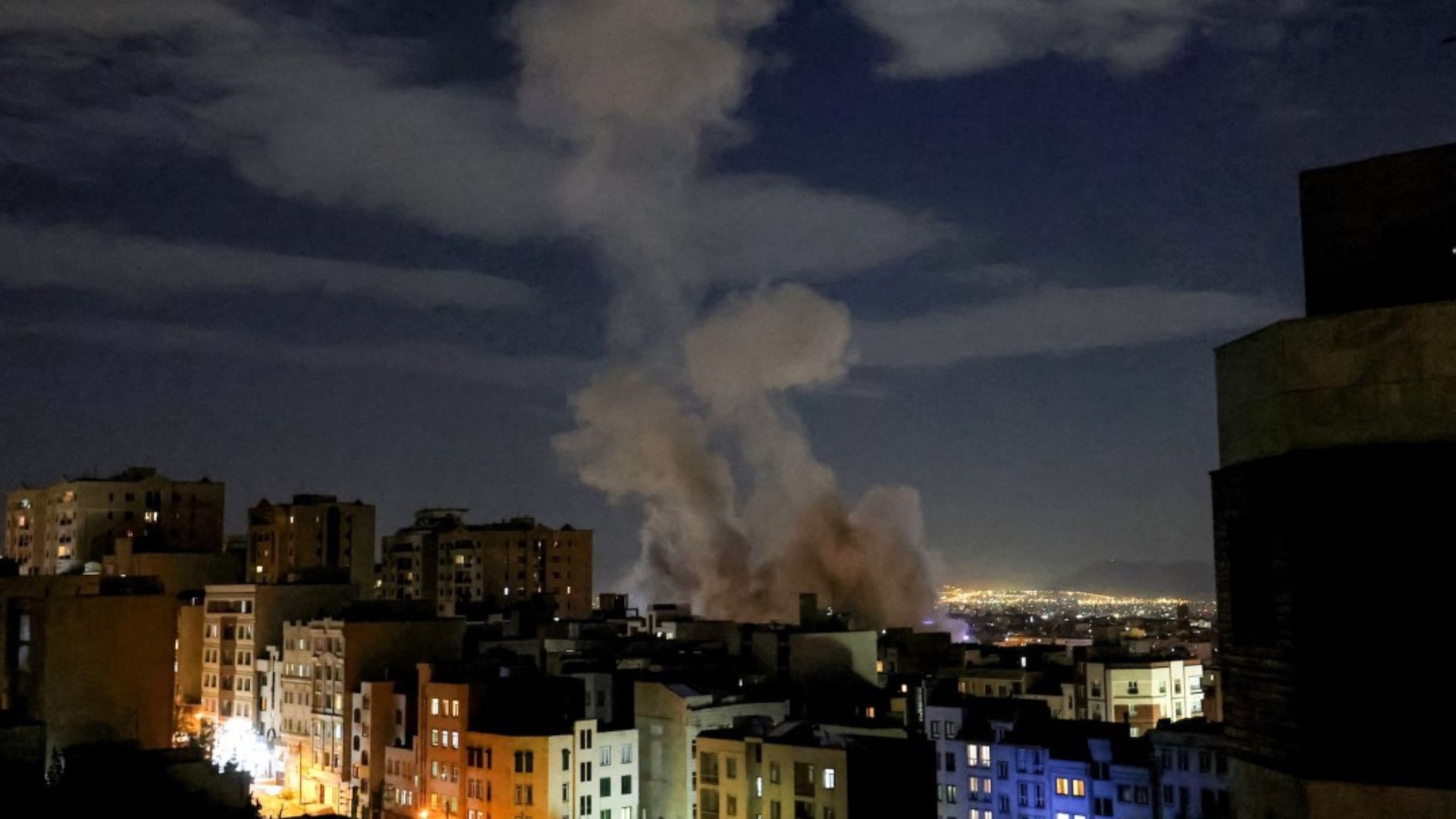
The blackout began shortly after US and Israeli strikes hit Iran on February 28. The attack killed Iran’s Supreme Leader Ali Khamenei and triggered a new phase of conflict in the region. Soon after the strikes, internet traffic leaving the country dropped sharply.
Doug Madory, director of internet analysis at the monitoring firm Kentik, says the drop in internet traffic has been dramatic. “There has been minimal traffic leaving the country,” Madory says. “All networks have seen around a 99 percent drop in activity.”
For ordinary Iranians, the shutdown means they cannot communicate easily with family abroad. They also cannot access international news, social media platforms, or global services. Yet the blackout does not mean the country is completely offline.
Iran’s Domestic Internet Still Running
While global internet access has largely disappeared, Iran’s internal network remains active. This system is known as the National Information Network(NIN).
The NIN is a government-controlled digital ecosystem. It includes local websites, messaging platforms, search engines, and online services. Authorities designed it to keep essential services working even when global connectivity is blocked.
Through the NIN, citizens can still access some government services, banking systems, and domestic apps. However, experts say the network also allows authorities to control information and monitor digital activity.
Digital rights organizations have long warned that the system creates a heavily monitored online environment. It also allows the government to decide who can connect to the outside world.
READ ALSO: https://modernmechanics24.com/post/ai-war-games-nuclear-escalation/
According to experts, this creates a tiered internet in Iran. Elites, government institutions, military organizations, universities, and certain companies may still access global internet services. But most citizens remain cut off.
The shutdown is not only the result of government restrictions. Infrastructure damage from airstrikes may also be affecting connectivity.
Madory says several networks inside Iran have experienced additional outages in recent days. “Within the limited connectivity that remains, multiple networks have experienced additional outages,” he says.
Monitoring systems have detected possible damage to critical infrastructure. The internet monitoring project IODA, run by researchers at Georgia Tech, reports signs that some outages may be linked to damage to the internet or power systems.
Madory says the shutdown makes it harder to assess the true situation. “Even if the government shutdown were lifted, connectivity problems could persist due to infrastructure damage,” he says. “The shutdown masks our ability to understand the true state of connectivity in Iran.”
A Pattern of Internet Blackout
Iran has used internet shutdowns repeatedly during political unrest.
Major blackouts took place during protests in 2019, 2022, and 2025. Earlier this year, the government also restricted internet access during demonstrations in January. Each shutdown has become more sophisticated.
Authorities now use advanced techniques to block services, filter websites, and restrict communication.
READ ALSO: https://modernmechanics24.com/post/first-ammonia-powered-offshore-vessel/
Human rights groups say these measures isolate citizens and make it harder to document abuses. When internet access is cut off, activists struggle to share evidence of violence or repression with the outside world. Families also lose contact with relatives abroad.
During the current shutdown, authorities have promoted domestic digital services. The Iranian digital rights group Filterwatch says officials are encouraging people to use a local search engine available on the national intranet.
Filterwatch also reports that some users have received warning messages. According to the group, authorities sent text messages warning citizens that connecting to the global internet could lead to legal consequences.
Experts say such warnings aim to discourage people from using VPNs or other circumvention tools.
While ordinary citizens struggle to connect, some online channels remain active.
An analysis by the Iranian fact-checking group Factnameh examined more than 50,000 Telegram posts during the first 72 hours of the war.
Researchers focused on 50 prominent Telegram channels that continued posting despite the shutdown. Some of these channels are linked to the government or to Iran’s Islamic Revolutionary Guard Corps.
Factnameh says activity on those channels actually increased during the blackout. “Even after internet restrictions were imposed, no interruption in activity was observed,” the report says. “In fact, the channels became more active than before.”
The analysis also found that some posts exaggerated reports of Iranian missile strikes.
At the same time, the channels avoided discussing rumors about Khamenei’s death until it was officially confirmed.
Fereidoon Bashar, executive director of the Toronto-based technology organization ASL19, says the online activity shows a shift in strategy.
READ ALSO: https://modernmechanics24.com/post/coder-links-7000-iot-vacuums-worldwide/
“They have pivoted from trying to control information flows,” Bashar says. “They now want to participate in online spaces and actively shape narratives, including in English.”
Iranians Search for Ways to Stay Online
Despite the blackout, many Iranians continue trying to reach the global internet. Over the years, citizens have developed methods to bypass restrictions.
VPN services and proxy networks are commonly used during partial shutdowns. However, these tools often stop working when the government completely cuts off connections.
Some activists have turned to satellite technology. Starlink terminals have reportedly been smuggled into the country. These devices can provide satellite internet access independent of local infrastructure.
However, only a small number of people have access to such equipment.
Circumvention Tools Play a Key Role
Another tool used by Iranians is a peer-to-peer platform called Conduit. The system was developed by the software company Psiphon.
WATCH ALSO: https://modernmechanics24.com/post/giant-mobile-elevated-work-platform-launched/
Conduit routes encrypted internet traffic through volunteer devices located around the world. These devices act as relay points to help users bypass censorship.
The technology was developed after Iran’s major internet shutdown in 2019.
It received support from the US State Department and the Open Tech Fund, which funds projects that promote open internet access. However, the project faced challenges in 2025.
Funding cuts to several international internet freedom programs slowed development efforts. Psiphon continued to maintain the system while searching for new support.
In February, new funding allowed the organization to continue research and maintain services. According to Psiphon, political support from US senators Lindsey Graham and James Lankford helped secure resources.
Usage of Psiphon tools inside Iran has grown dramatically. At the start of February, around 375,000 Conduit relay stations were operating outside Iran. These stations allowed people around the world to help Iranians connect to the internet.
READ ALSO: https://modernmechanics24.com/post/fraunhofer-gluefree-laser-paper-sealing/
On a single day in January, more than 9 million Iranians accessed the internet via Psiphon. The company recorded nearly 19 million unique Iranian users in January and more than 21 million in February.
Ali Tehrani, director of operations for Psiphon in Washington, says the scale surprised even developers.
“That was kind of mind-boggling,” Tehrani says. “The scale was super amazing.”
He says volunteers around the world are helped by turning their devices into connection points.
“People outside the country could let their phone be the bouncing board for Iranians inside,” he explains.
Even during the current blackout, some connectivity remains. Tehrani says Conduit still records between 60,000 and 100,000 users per day.
READ ALSO:
The number is small compared with earlier months but still significant.
“It is at one percent connectivity,” he says. “But it is never zero.”
An Uncertain Digital Future
Iran’s internet future now depends on several factors. The outcome of the war will shape political leadership in the country. Infrastructure damage could also take time to repair.
At the same time, the government may continue expanding the National Information Network. Experts say that could further separate Iran from the global internet.
For now, millions of Iranians remain digitally isolated. They are living through a war while largely cut off from the world. And until the blackout ends, the future of internet freedom in the country remains uncertain.