A new hybrid propulsion system designed for small battlefield drones is moving closer to real-world use, promising longer range, lower noise, and improved stealth.
The system has successfully completed flight tests, according to reports from Chinese state media.
Developers say the design combines fuel power and electric propulsion into a single compact unit. This allows drones to operate more efficiently while adapting to different mission needs during flight.
READ ALSO: China’s Dual-Mode Ship Dataset Boosts Smarter Sea Surveillance in Fog and Darkness
Drone engines have traditionally followed two separate paths. Larger unmanned aircraft rely on fuel-powered engines. These offer strong thrust and long endurance but produce significant noise and heat.
Smaller drones, on the other hand, usually depend on battery-powered electric motors. These are quieter and harder to detect but suffer from limited flight time.
The new system aims to bridge this gap.
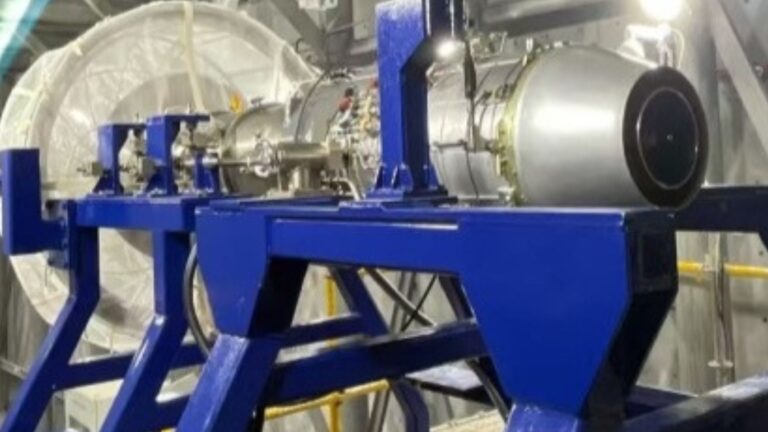
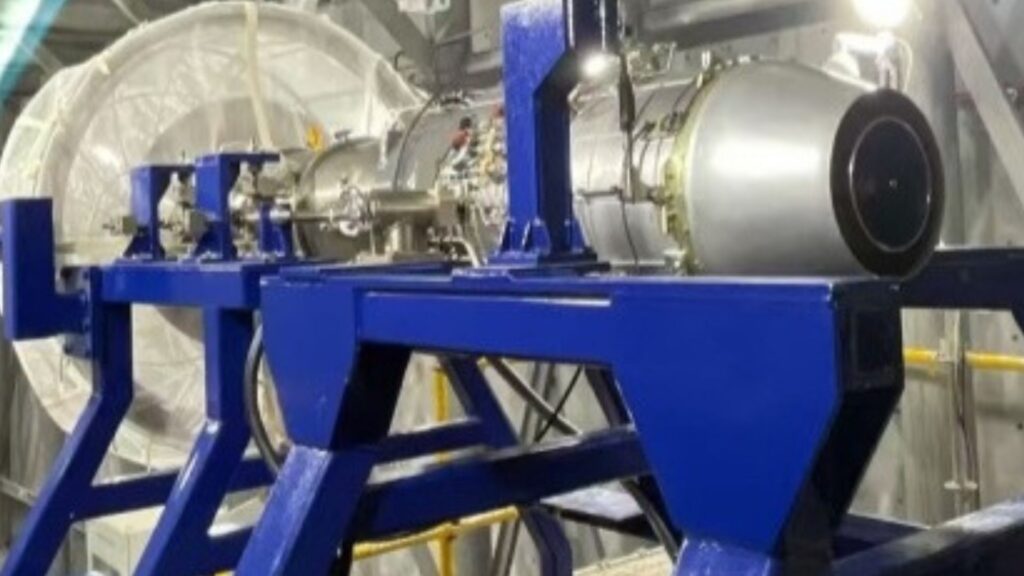
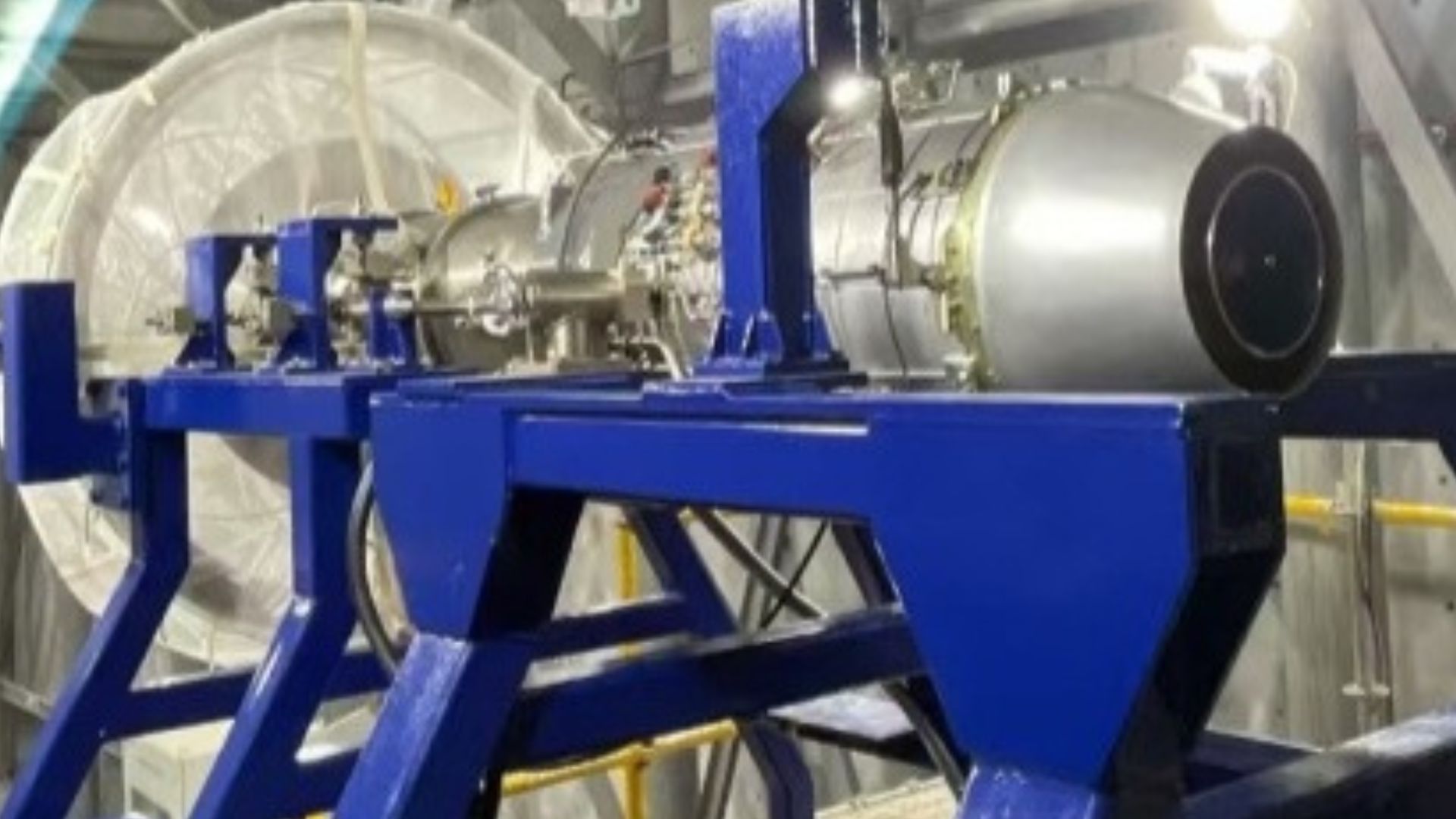
At its core is a 60-kilowatt hybrid setup that merges both technologies. A small gas turbine generates electricity during flight instead of directly powering the drone. This electricity charges onboard batteries, which in turn drive an electric ducted fan responsible for propulsion.
WATCH ALSO: Chinese humanoid robot plays basketball with almost human-like accuracy
This design changes how energy is used in flight.
By generating power in the air, the drone reduces its dependence on pre-charged batteries. This removes the need for long charging times before deployment. It also allows the aircraft to stay airborne for longer periods.
One of the system’s key features is its ability to switch modes mid-flight. The engine can shut down when needed, allowing the drone to operate purely on electric power. In this mode, the aircraft becomes quieter and emits less heat, making it harder to detect through sound or infrared tracking.
State broadcaster CCTV described the system as a step toward making small drones more versatile and mission-ready. “The hybrid ‘heart’ of small drones is steadily moving towards maturity,” the report said.
READ ALSO: World’s First Hepatitis D Antibody Drug Reaches Patients in Beijing; What it Changes Now
Sichuan Tianfu Light Power Technology, a state-backed company focused on advanced energy systems, developed the propulsion unit. Engineers designed the unit to be compact, fitting easily into smaller unmanned platforms without adding excessive weight.
The system was featured in Stealth Vanguard, a documentary segment highlighting advancements in unmanned aerial vehicle (UAV) technology.
Experts say such developments reflect a broader global shift in drone warfare. Modern conflicts increasingly rely on unmanned systems for surveillance, targeting, and precision strikes. Small drones, in particular, are valued for their low cost and ease of deployment.
Recent conflicts have shown how drones can overwhelm defenses when used in large numbers. Their effectiveness depends not only on payloads but also on endurance, stealth, and rapid deployment.
WATCH ALSO: India’s DRDO successfully completes user evaluation trials of Akash-NG Missile System
This hybrid propulsion system directly addresses those factors.
By combining fuel efficiency with electric stealth, the technology offers a flexible solution for modern battlefields. It allows drones to travel farther, remain harder to detect, and be deployed faster.
While the system is still under development, its successful testing signals a clear direction for the future of small drone design, one where adaptability and efficiency work together in a single engine.