As missiles and drones streak across skies in conflict zones, commercial passenger planes continue to operate nearby with surprising order and precision.
Behind this calm lies a highly coordinated system involving air traffic controllers, pilots, and airline operations teams working under intense pressure.
Over the past two weeks, rising tensions across Iran and the Gulf have reshaped global flight paths. Airspace once frequently used by airlines has become restricted or unsafe.
As a result, nearby regions such as Egypt and Georgia have witnessed a sharp rise in air traffic. Flights are being rerouted through these safer corridors, leading to congestion in already busy skies.
Despite this, aviation authorities have maintained safety.
READ ALSO: China’s Industrial Robot Surge Hits 31%: What’s Driving This Sudden Factory Shift?
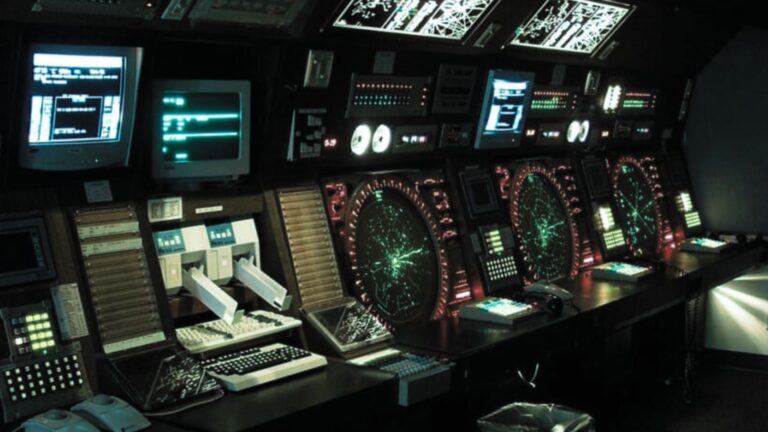
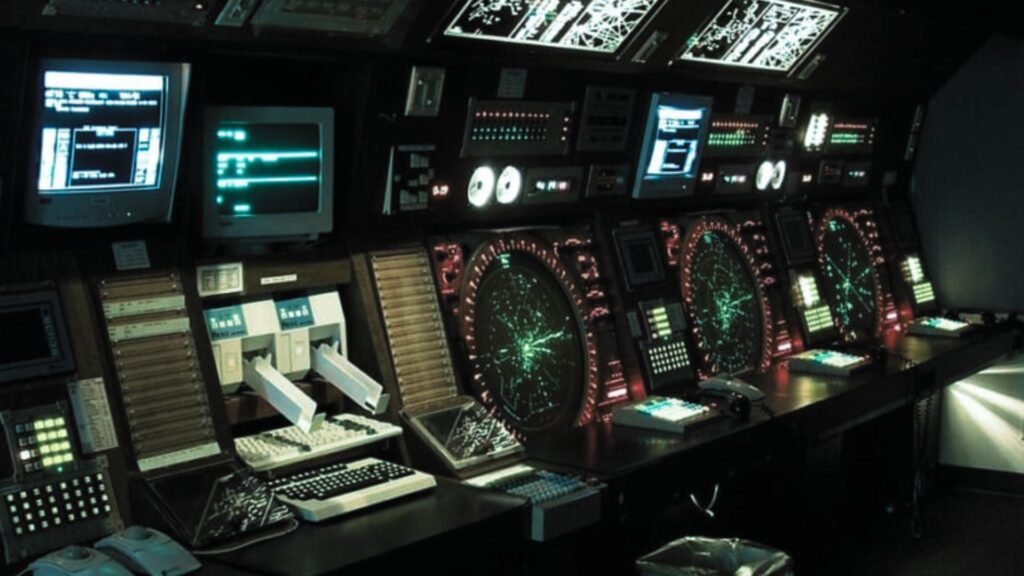
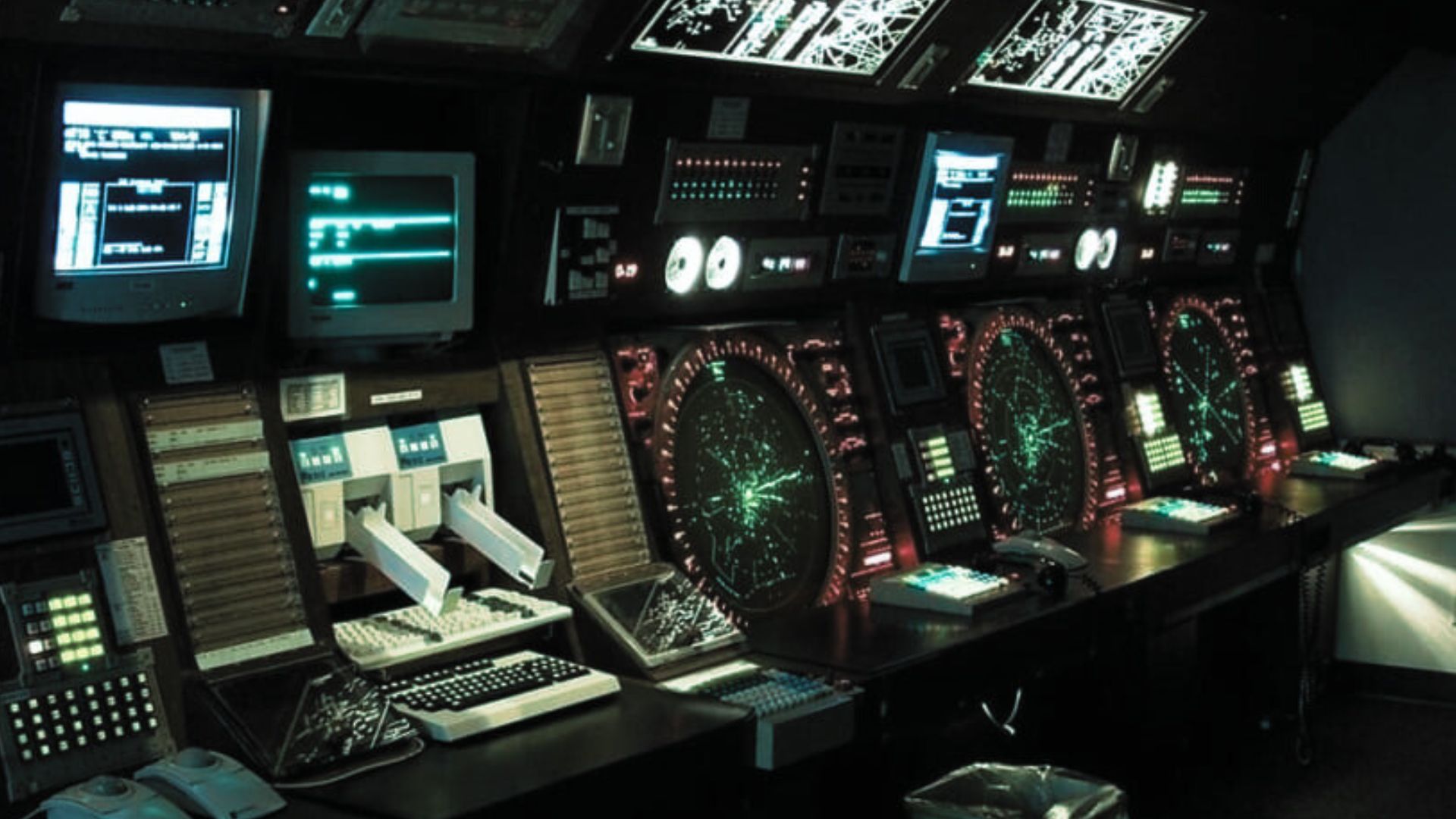
At the heart of this system are air traffic controllers. They monitor aircraft movement and guide pilots through designated routes. Each controller is responsible for a specific section of airspace. They coordinate continuously with adjacent sectors to ensure smooth transitions as planes move between zones.
On a typical day, a controller may handle around six aircraft at a time. However, during conflicts, this number can double. The increased workload demands extreme focus and precision.
Retired air traffic controller Brian Roche, who served for 18 years, including with the Royal Air Force and later in London, explains the challenge. He says, “The brain can only give that amount of concentration at that level of intensity for 20-30 minutes.”
WATCH ALSO: Buildroid AI Grows Simulation-First Robotics Network
To manage this, authorities adjust working patterns. During high-traffic periods, more controllers are deployed. Shifts are shortened to avoid fatigue. Normally, controllers work for 45 to 60 minutes, then take a break. In conflict situations, they often work for just 20 minutes at a time, followed by an equally long rest period.
Roche says controllers are currently working unbelievable shifts and handling unbelievable amounts of traffic.
The risks of flying near conflict zones are real and well-documented. A tragic example is the downing of Malaysia Airlines flight MH17 in 2014 over eastern Ukraine. The aircraft was struck by a missile, killing all 298 people on board. At the time, the region was already experiencing conflict, but the escalation into airspace threats had not been fully accounted for.
Such incidents have reshaped global aviation safety protocols. Today, airlines and regulators closely monitor geopolitical developments. Risk assessments are updated regularly, and flight paths are adjusted well in advance whenever tensions rise.
READ ALSO: A Human With Four Legs? China’s ‘Centaur’ Could Change Battlefields
Pilots play a crucial role in this system. They remain in constant communication with air traffic controllers and airline operations teams.
Flight planning becomes more complex during conflicts, with multiple alternative routes prepared in advance.
A commercial pilot with over 20 years of experience, who requested anonymity, explains the process. He says, “We all knew that there was something brewing in the Middle East. It was a matter of when, not if.”
Pilots also take extra precautions with fuel. Aircraft may carry additional fuel reserves to allow for sudden diversions. If necessary, planes can return to their departure airport or land at alternative destinations farther from the original destination than originally planned.
The pilot emphasizes that such situations are not chaotic. He says, “These are perfectly normal, trained, controlled events. It’s not like a traffic jam that becomes chaotic.”
READ ALSO: Turkey’s New Kamikaze Can Carry 200-kg Warhead, Attack Enemy 2,000 kms Away
Maintaining safe distances between aircraft is another critical task. Planes must be separated both vertically and horizontally. Larger aircraft create stronger wake turbulence, which can destabilize smaller planes flying nearby. Controllers ensure that smaller jets maintain a safe buffer or are rerouted if needed.
Sudden airspace closures do occur, but are relatively rare. Most changes are anticipated and planned in advance. This proactive approach helps prevent confusion and ensures continuity of operations.
Cabin crew members also play an essential role during such times. While passengers may feel anxious about flying near conflict zones, cabin crew are trained to maintain calm and provide reassurance.
Hannah, a senior cabin crew member on long-haul routes through the Middle East, highlights the importance of their role. She says, “Our work goes beyond the cliché that all we do is ask customers whether they want chicken or beef.”
She adds, “So many people forget the safety aspects of our role. Serving is what we do when everything else is under control.”
Flight diversions and longer routes can disrupt schedules for airline staff. Layovers may change, and working hours can increase. Despite these challenges, many crew members see it as part of their profession.
WATCH ALSO: China Sets World Record with 700 km/h Maglev
Hannah describes it as a lifestyle and a passion. She adds, “As cabin crew, we all feel part of a big family. United by wings.”
In times of conflict, the aviation industry relies on preparation, discipline, and coordination. While passengers may only see delays or longer flight times, a complex system is working behind the scenes to ensure their safety.
Even when war reshapes the skies, order prevails through planning and professionalism.