The conflict involving Iran and rising tensions across the Middle East have disrupted one of the world’s most important air travel corridors.
Airlines are cancelling flights, rerouting aircraft, and facing rising costs. The effects could last for months.
Thousands of flights have already been cancelled. Airports are struggling to cope with sudden changes. Ticket prices may also rise as airlines spend more fuel on longer routes.
Invisible War in Sky
Global aviation works like a carefully timed system. Every flight follows a planned route, and airports operate close to their maximum capacity. When major airspace suddenly closes, the entire system is thrown into chaos.
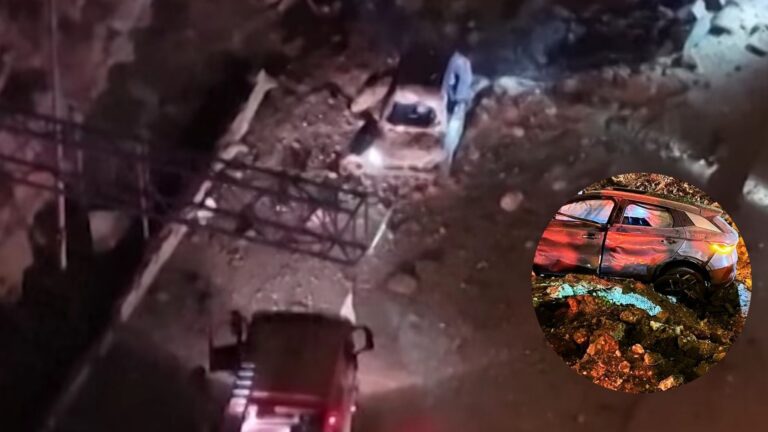
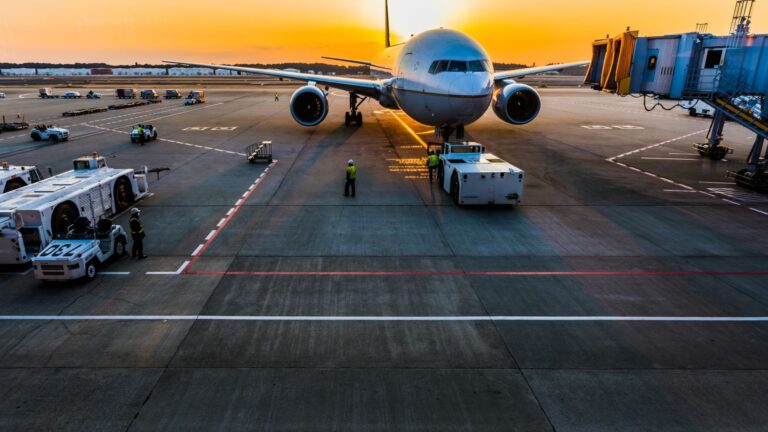
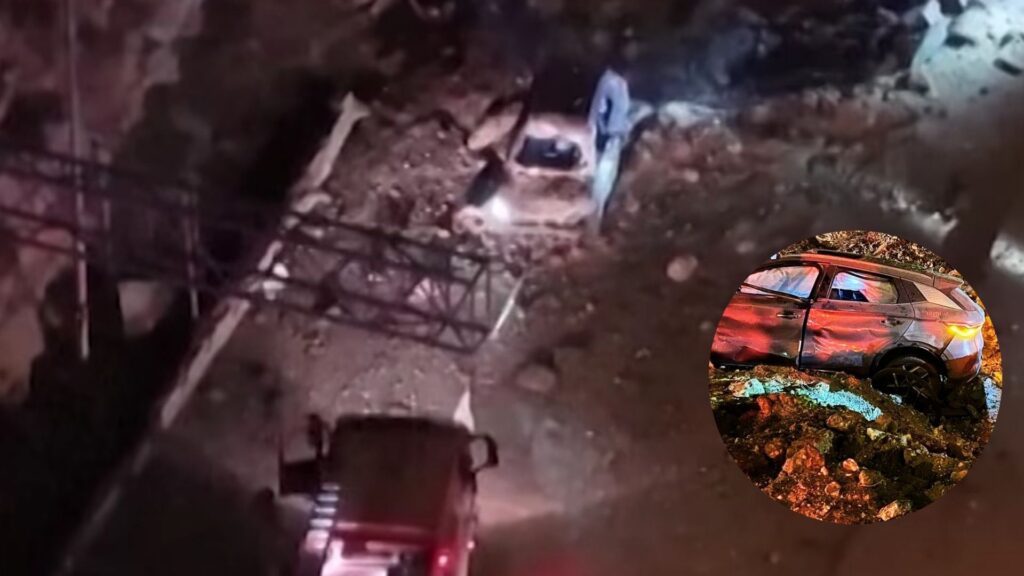
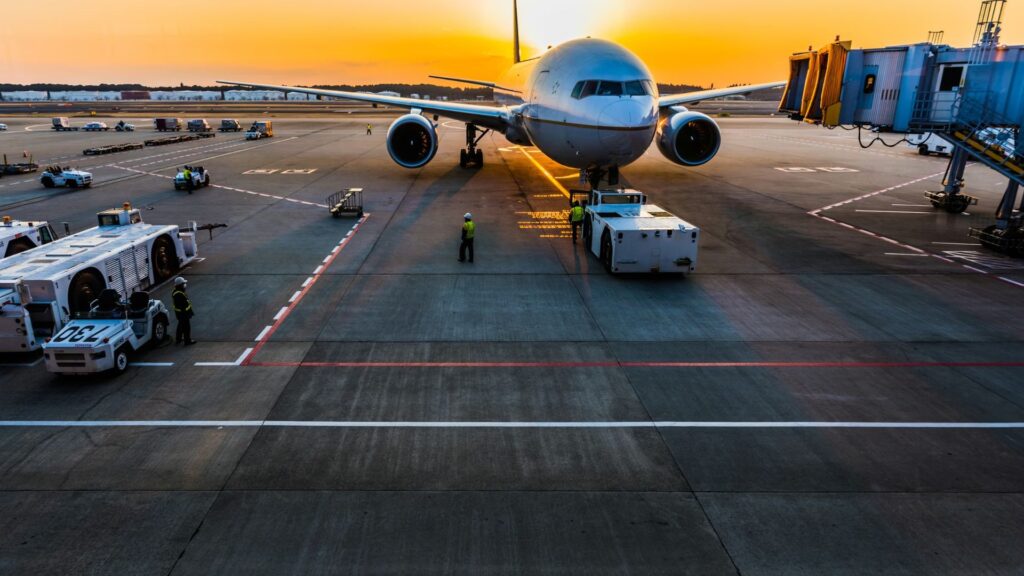
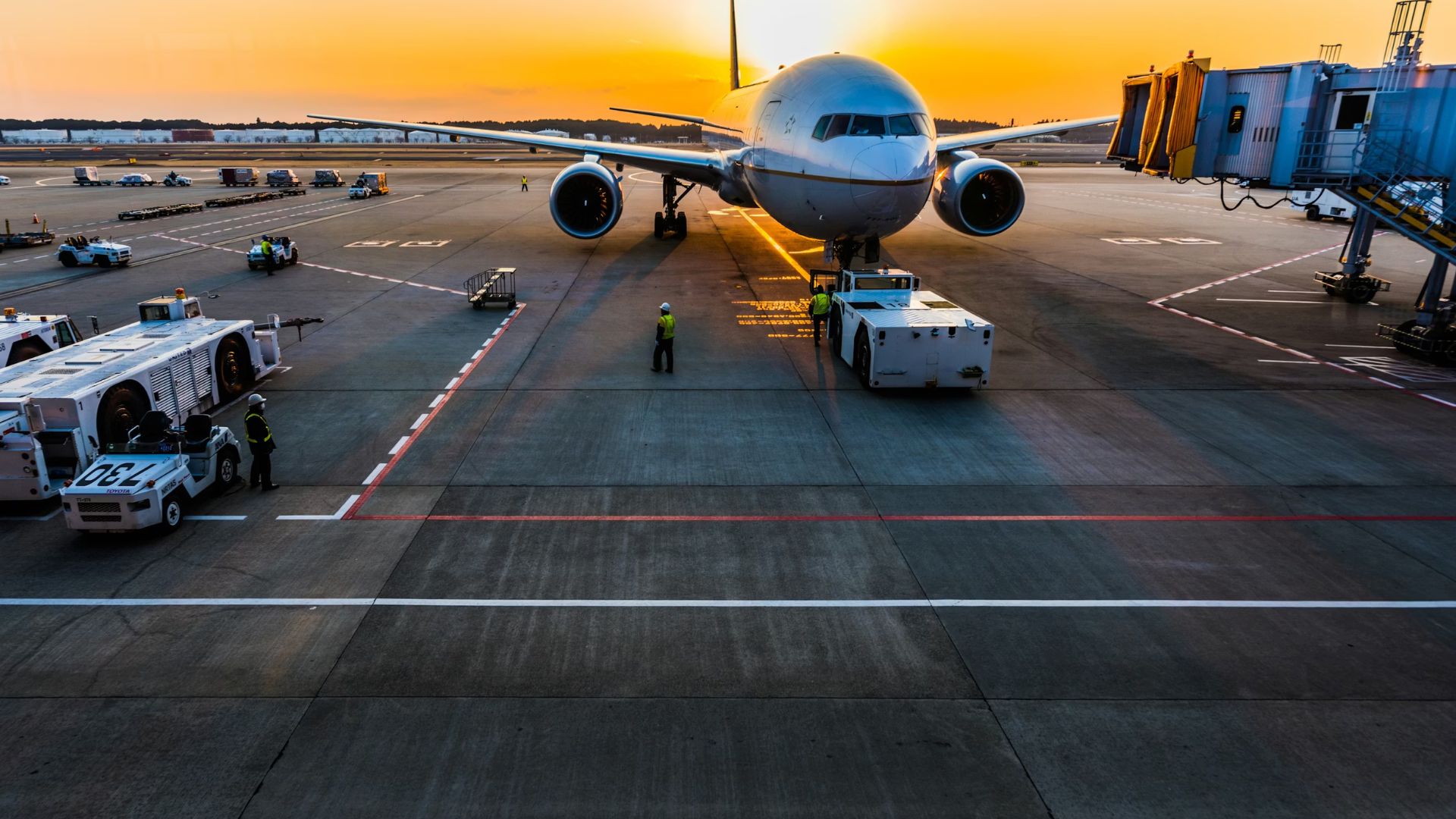
This week, major international airports in Dubai, Abu Dhabi, and Doha were temporarily shut down due to the conflict. These airports are some of the busiest travel hubs in the world.
More than 10 million airline seats were scheduled to pass through these airports this week alone. Around 123,000 of those seats were booked by Australian passengers, leaving many travelers stranded.
Freight flights were also affected. Many planes carrying medical supplies, food, and flowers were grounded, raising concerns about delayed deliveries.
READ ALSO: https://modernmechanics24.com/post/ai-xray-spectroscopy-5x-faster-accurate/
The Middle East sits at the center of many global flight routes. Airlines traveling between Europe, Asia, and Australia often pass through this region.
Stopping in Middle Eastern hubs like Dubai or Doha allows airlines to take the shortest and most fuel-efficient routes.
Aviation lecturer Salim Hijazeen said, “Airlines usually choose the most efficient and quickest path.”
But when several countries closed their airspace, including Iran, Iraq, Israel, and Qatar, a key global flight corridor disappeared almost overnight.
Airlines had to quickly find alternative routes. Many flights are now traveling north of Iran or far south of the Gulf region to avoid conflict zones.
Transport expert Rico Merkert said airlines are redirecting passengers through other hubs.
He said, “We are seeing passengers moving through airports like Singapore, Hong Kong, and Istanbul instead.”
WATCH ALSO: https://modernmechanics24.com/wp-content/plugins/feeds-for-youtube/img/lightbox-placeholder.png
Some flights are taking unusual paths. Others are stopping in additional cities before reaching their final destination.
For example, Qantas flights from Perth to London have reportedly been rerouted through Singapore to avoid risky airspace.
Air travel operates under strict scheduling systems. Airports assign time slots to airlines for landing and takeoff. These slots are often fully booked.
Professor Merkert said, “Airlines can’t suddenly add many aircraft to the same route at the same time.”
Airspace itself also has limits. Only a certain number of planes can safely fly along a route at one time.
Aviation expert Guido Carim Junior said, “You may add a few flights, but it’s impossible to replace every cancelled flight.”
Some nearby airports are seeing increased traffic. For example, Muscat in Oman has become a temporary alternative route. However, regional airports often lack the capacity of major hubs.
READ ALSO: https://modernmechanics24.com/post/ai-xray-spectroscopy-5x-faster-accurate/
Hijazeen warned that many smaller airports may not have enough fuel, facilities, or passenger services for large numbers of diverted flights.
He said airlines must consider whether an airport has the facilities needed for the aircraft to operate safely.
Pilots follow digital maps of invisible points in the sky called waypoints. These virtual markers help define national airspace and guide aircraft along safe routes. Aircraft use GPS systems and onboard sensors to track their speed, direction, and location.
At the same time, planes constantly send information to air traffic controllers, who guide them along safe corridors and warn about weather or airspace closures.
Air traffic controllers must keep planes separated both vertically and horizontally. Commercial aircraft usually fly between 30,000 and 40,000 feet. Large aircraft also create strong turbulence behind them.
Even when airspace begins reopening, the aviation system takes time to recover. Flights must be rescheduled. Aircraft and crews must be repositioned. Passengers need to be rebooked.
For travelers, that may mean longer flight routes, higher ticket prices, and fewer available flights. In other words, even if the war stays far away, its impact may still follow passengers into the skies.