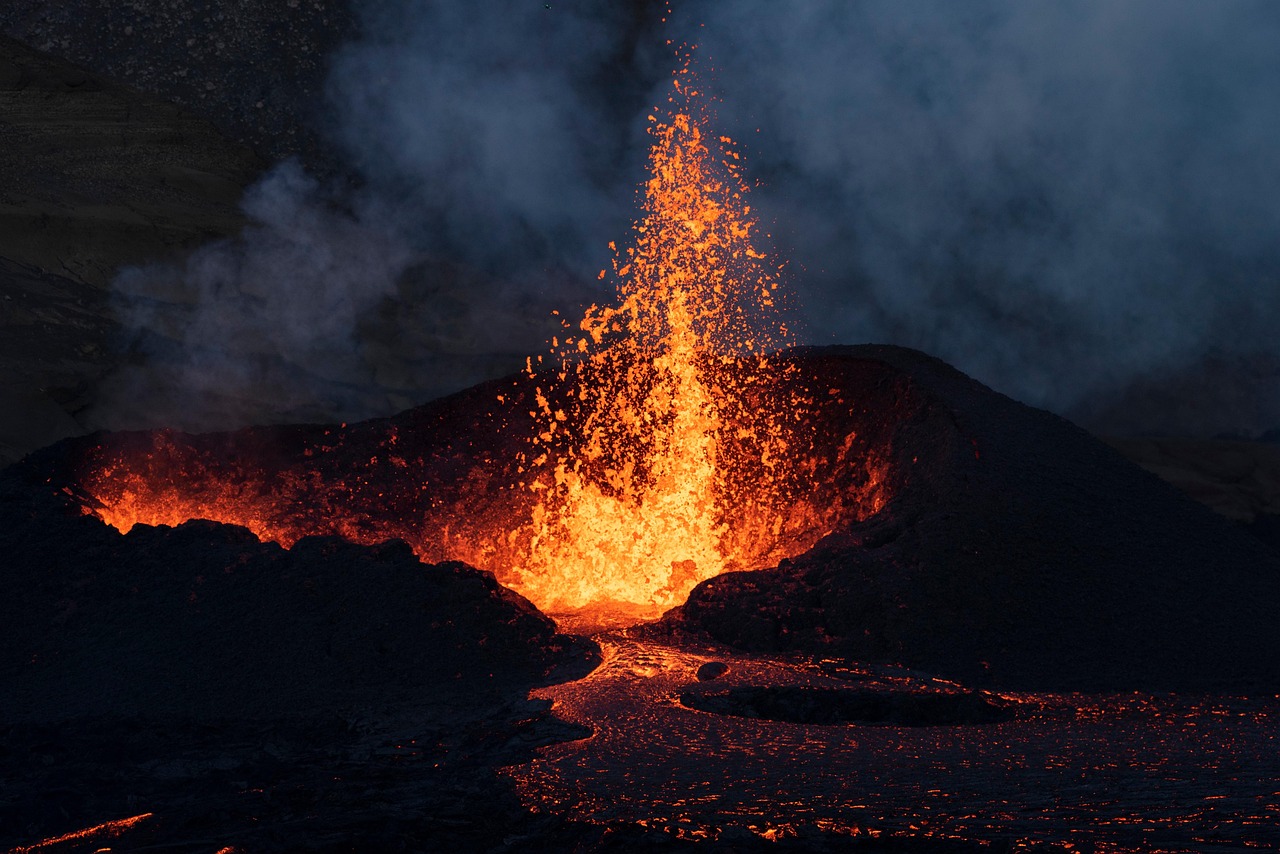
This week in science brings a revised geological timeline, legal rights for an ancient pollinator, and a cosmic discovery. Scientists monitoring Axial Seamount, a giant submarine volcano off the coast of Oregon, have updated its eruption forecast to 2026 after it missed its anticipated 2025 window. Meanwhile, in a world-first from Peru, the planet’s oldest bee species has been granted legal personhood rights.
The volcanic disappointment (or relief) centers on Axial Seamount, one of the most active and monitored underwater volcanoes on Earth. According to a report by IFLScience, which had predicted a possible eruption by the end of 2025, the volcano did not meet its deadline. The new analysis of seismic and seafloor deformation data points to a rescheduled event in 2026. This seamount has erupted roughly every 15 years like clockwork, with its last events in 1998, 2011, and 2015, making its delayed blast a subject of intense study for volcano forecast models.
In a groundbreaking ecological and legal move, authorities in Peru have granted legal rights to Eufriesea magnifica, recognized as the world’s oldest bee species. This tiny insect is crucial to the Amazon, pollinating over 80 percent of the region’s flora. The unprecedented legal status, reported by IFLScience, is designed to offer the species and its habitat stronger protection against deforestation and agricultural expansion, setting a powerful precedent for insect conservation globally.
READ ALSO: https://modernmechanics24.com/post/man-portable-air-defense-on-shahed-drone/
Shifting from Earth to the stars, the James Webb Space Telescope (JWST) has provided the best evidence yet of a rocky exoplanet with a substantial atmosphere. The target, super-Earth TOI-561 b, orbits so close to its star that its dayside is a searing lava world. However, JWST data indicates it must have a thick atmosphere; without it, temperatures would be even more extreme. As IFLScience explains, while this hellish world itself is inhospitable, the persistence of an atmosphere on such an ancient, battered planet bodes well for the potential stability of atmospheres on other, more temperate rocky worlds.
Back in the realm of human biology, researchers may have solved an evolutionary mystery: why humans cannot synthesize vitamin C. Most mammals produce it internally, but humans, other apes, and guinea pigs lost this ability millions of years ago. New research suggests this genetic loss might have been an evolutionary trade-off for protection against parasitic diseases like schistosomiasis, offering a survival advantage that outweighed the dietary dependency.
WATCH ALSO: https://modernmechanics24.com/post/humanoid-robot-towel-task/
Finally, a review of 2025 highlights five significant advances in cancer treatment, from more targeted immunotherapies to AI-driven diagnostic tools, showcasing a year of relentless progress in oncology. From the depths of the Pacific to the far reaches of space and the inner workings of our own DNA, science continues to reshape our understanding of the world.