In a significant step toward cleaner aviation, Gevo has secured access to two advanced catalyst technologies designed to improve the production of Sustainable Aviation Fuel (SAF).
The technologies come from the Oak Ridge National Laboratory, one of the US’s leading research institutions under the US Department of Energy.
The agreement focuses on scaling up these innovations from laboratory research to real-world industrial use. The goal is simple: make cleaner jet fuel easier and more efficient to produce.
READ ALSO: MirrorBot Reveals What Happens When Strangers Finally Look Up
Andrew Sutton, a senior scientist at ORNL, explained the importance of the partnership. He said the collaboration will help advance catalyst technologies from small-scale lab experiments to pilot-scale reactors. He added that the team aims to demonstrate that the process works at an industrial scale and to accelerate its commercial use in the United States.
Sustainable Aviation Fuel
Sustainable Aviation Fuel has become a key focus for the global aviation sector. Unlike traditional jet fuel, SAF is made from plant-based or waste-based materials. It offers a way to reduce carbon emissions without changing aircraft engines.
The International Air Transport Association, which represents more than 80 percent of global air traffic, has shown strong interest in SAF. Many airlines have already committed to buying it in large quantities. However, producing SAF at scale remains a major challenge due to cost and efficiency issues. This is where the new catalyst technology plays a crucial role.
Scientists at ORNL have developed a method that converts ethanol into olefins in a single step. This process is known as ethanol-to-olefins (ETO). Olefins are important chemical building blocks that can be further processed into sustainable aviation fuel.
WATCH ALSO: Biohybrid robots turn food waste into functional machines
Catalysts are substances that speed up chemical reactions. In this case, they make the conversion process faster and more efficient. By reducing the number of steps needed, the technology can lower costs and simplify production.
Ethanol, which is often produced from crops or plant waste, is already widely available. Converting it into olefins creates a smoother pathway to producing large volumes of jet fuel. According to researchers, the new method achieves high carbon efficiency while maintaining costs equal to or lower than those of traditional production methods.
The importance of olefins goes beyond aviation fuel. They are widely used in industries to produce plastics, solvents, and surfactants. The global plastics market alone is expected to grow significantly, with projections estimating its value to exceed $1.3 trillion by 2033.
To support the development of this technology, the project has received funding through the DOE’s Technology Commercialization Fund. The collaboration is structured under a three-year Cooperative Research and Development Agreement (CRADA).
Under this agreement, Gevo will lead the design of the overall process model. The company will also bring its industry experience to help adapt the technology for real-world use. The aim is to test and refine the process in a pilot reactor before moving to full-scale production.
READ ALSO: 200-Year Talbot Effect Powers Next-Level Quantum Communication Shift
Andrew Ingram, Gevo’s director of process chemistry and catalysis, described the project as part of a broader effort to expand ethanol-based fuel technologies. He said the team is evaluating a new catalytic process that converts ethanol into fuel precursors and other useful chemicals, such as butadiene.
He added that this work complements Gevo’s existing technologies but remains separate from its current commercial systems. He emphasized that if the process proves economically viable, it can offer a flexible and cost-effective way to expand bio-based fuel production in the United States. He also highlighted its potential to create new demand for farmers who supply feedstocks for energy and materials.
ORNL brings strong technical support to the project. The laboratory is using its advanced research facilities, including the Center for Nanophase Materials Sciences, to study how the catalysts behave in larger reactors. This helps scientists understand how the process will perform outside controlled lab conditions.
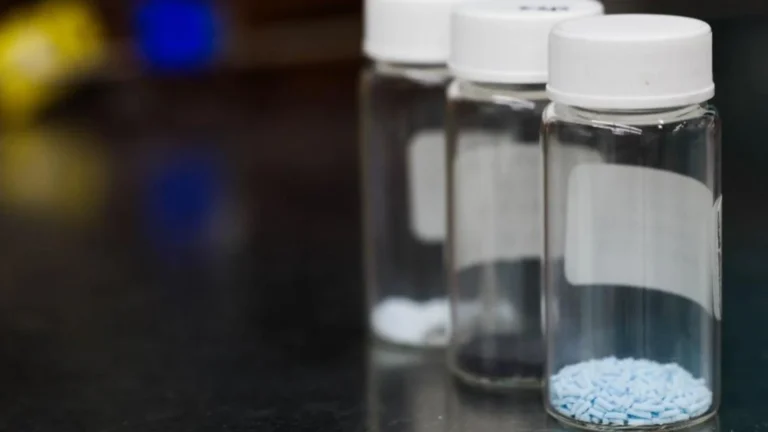
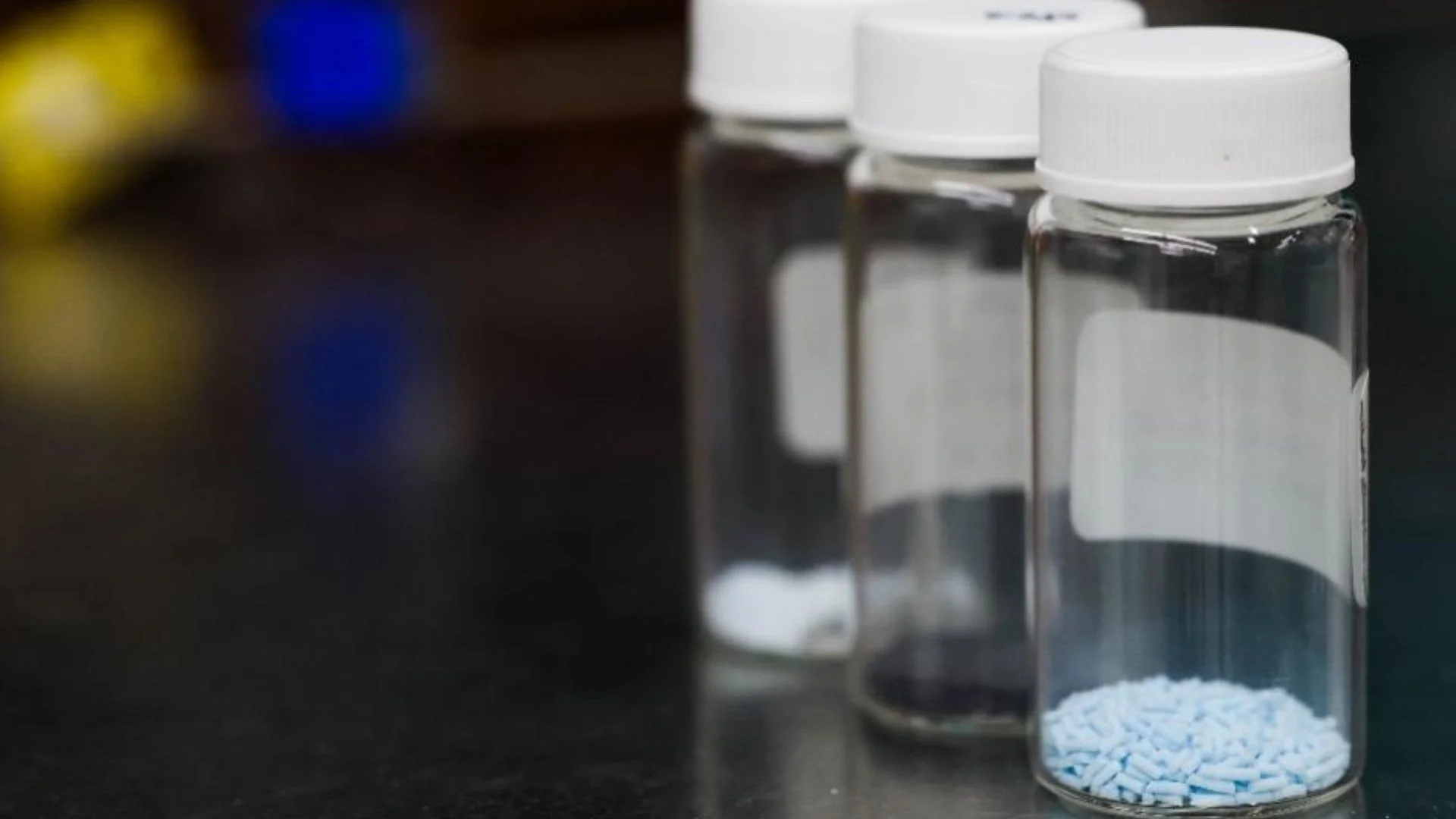
As part of the CRADA, ORNL researchers will develop catalyst pellets and test their efficiency in advanced chemical reactors. They will also create computational models based on the test data. These models will help predict how the process will scale up for industrial production.
The timing of this effort is critical. Global demand for jet fuel is expected to rise sharply, from 106 billion gallons in 2019 to around 230 billion gallons by 2050. Meeting this demand while reducing emissions is one of the aviation industry’s biggest challenges.
Expanding the use of sustainable aviation fuel offers a practical solution. It can help reduce dependence on fossil fuels while improving energy security.
WATCH ALSO: MIT engineers have developed a new insect-scale aerial microrobot
The project is supported by the DOE’s Alternative Fuels and Feedstocks Office, previously known as the Bioenergy Technologies Office. It also connects to the Chemical Catalysis for Bioenergy initiative, a multi-laboratory program focused on turning biomass and waste into useful fuels and chemicals.
Several scientists are contributing to the research effort, including Stephen Purdy, Meijun Li, Michael Cordon, and Hunter Jacobs. The patented technologies were developed by researchers, including Meijun Li, Brian Davison, Zhenglong Li, and Junyan Zhang from the University of Maryland.
The licensing agreement was finalized with the help of ORNL’s technology transfer team.
ORNL itself is managed by UT-Battelle for the DOE’s Office of Science, which remains the largest supporter of physical science research in the United States. The office continues to focus on solving some of the most pressing global challenges, including clean energy and sustainable industry.
This collaboration between Gevo and ORNL reflects a broader shift toward innovation in energy production. By combining scientific research with industrial expertise, the project aims to build a more efficient and sustainable future for aviation fuel. As the world looks for cleaner ways to power flight, such partnerships may shape how the next generation of jet fuel is produced.