An international research team has demonstrated a new way to control the internal grain structure of 3D-printed metal parts during the printing process. The UltraGRAIN project achieved a 75 percent reduction in grain size in targeted areas, allowing manufacturers to customize strength and durability exactly where needed.
Researchers at Fraunhofer Institute IWS, Fraunhofer Institute IAPT, and Australia’s RMIT University jointly developed the UltraGRAIN technology. The project concluded on February 25, 2026, after demonstrating that microstructures can be adjusted locally during laser-based metal deposition.
In standard 3D printing of metal, the internal grain structure forms randomly during solidification. This leaves engineers unable to control where the part is strong or flexible. The UltraGRAIN project solves this by actively influencing grain formation during the build process.
READ ALSO: https://modernmechanics24.com/post/fermi-america-project-matador-texas/
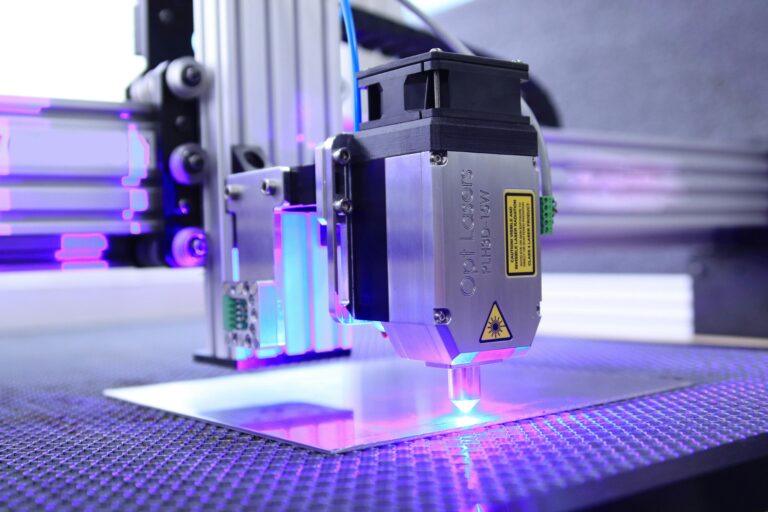
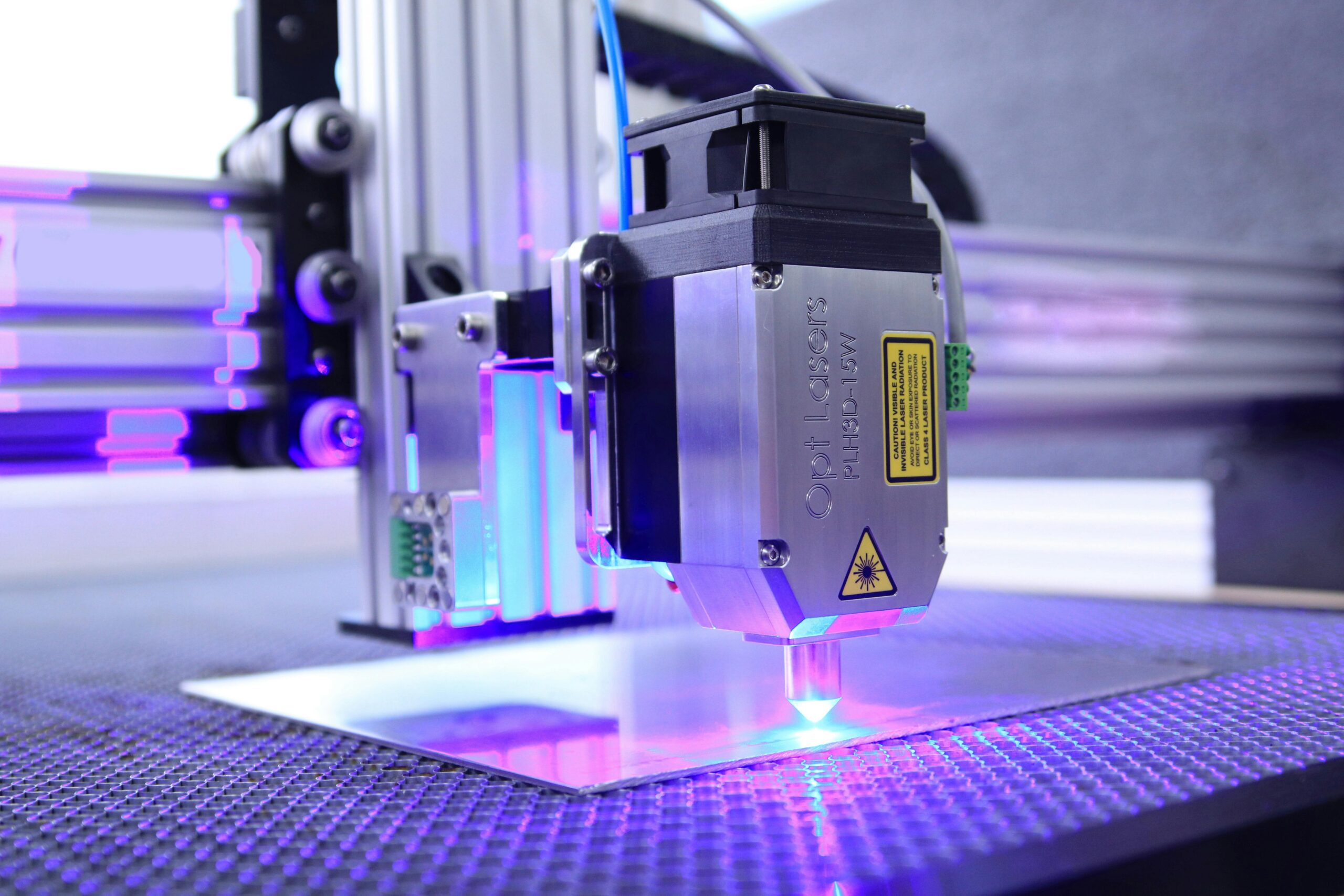
The team first tried ultrasound to control grain growth, then switched to pulsed-laser excitation. This method works without touching the part, suits any geometry, and integrates easily into existing laser-based printing systems. It scales better than ultrasound and remains stable even for complex shapes.
Fraunhofer IWS researcher Jacob-Florian Mätje explained that laser-based excitation allows precise microstructure control exactly where it makes a difference to component performance. The method reduces grain size by up to 75 percent in defined areas, as shown in demonstrator parts.
The technology matters for industries that need high mechanical performance and long service life. These include aerospace, energy technology, automotive manufacturing, tool making, and mechanical engineering. Parts can now be printed with stronger zones where loads are highest, reducing material use and extending life.
The current limit is that the technology works in lab-scale demonstrations and needs further development for widespread industrial use. Companies must integrate the pulsed-laser system into their existing printing equipment.
WATCH ALSO: https://modernmechanics24.com/post/ehang-next-gen-evtol-first-public-flight/
Fraunhofer IWS Director Professor Christoph Leyens said the results offer significant scientific insight and provide an excellent foundation for industrial transfer. The project partners have signed agreements with RMIT University and Swinburne University to prepare follow-up projects and transfer activities.