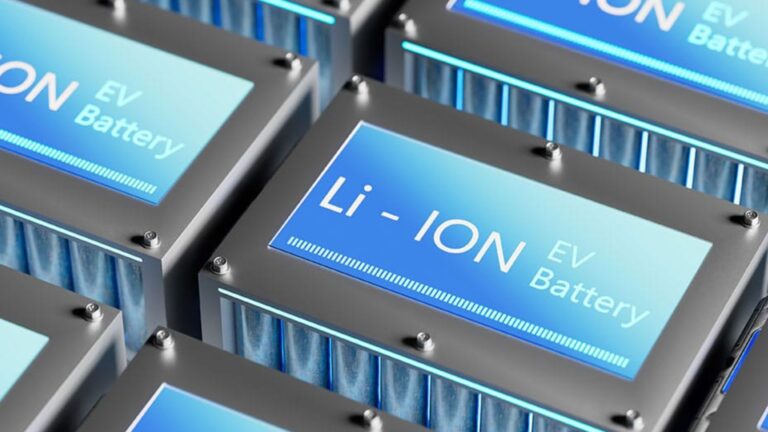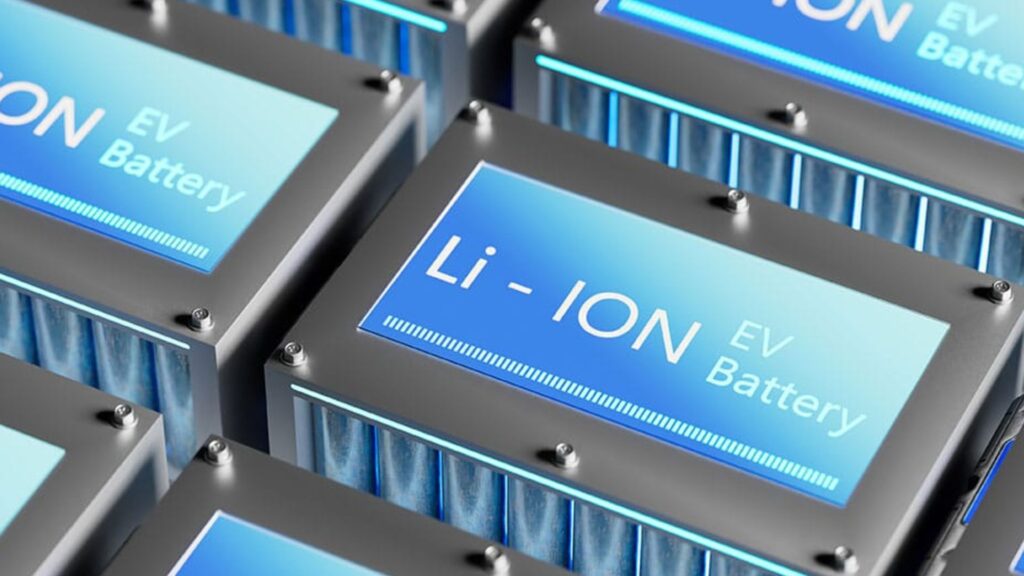
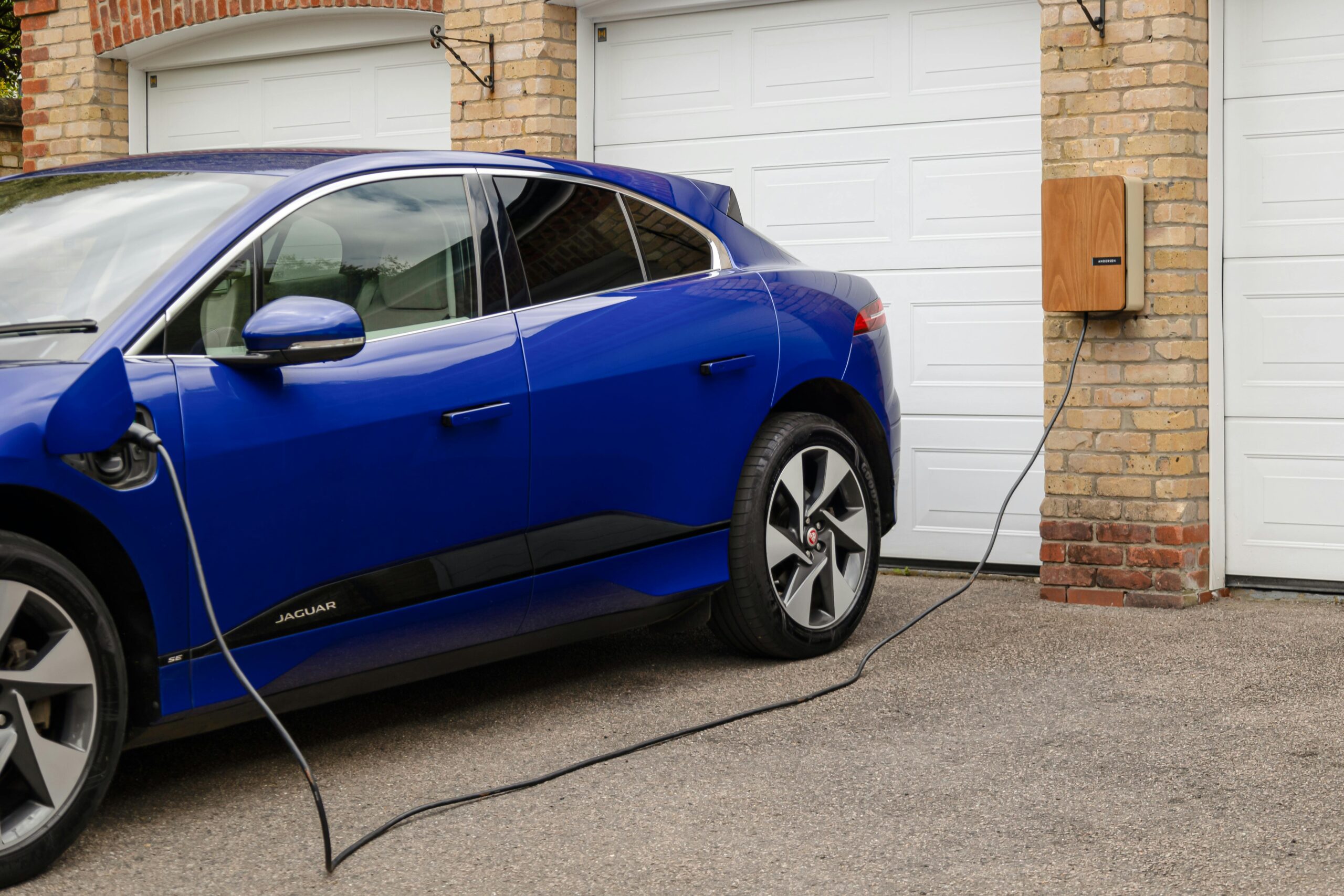
FAW Group, China’s oldest automaker, announced on February 10 that it has installed the “industry’s first” lithium-rich manganese semi-solid-state battery in a production vehicle. Developed in collaboration with Academician Chen Jun at Nankai University, the battery achieves cell energy density exceeding 500 Wh/kg and a 142 kWh pack, delivering a CLTC range of over 1,000 km (620 miles) —without relying on nickel-heavy chemistries.
For years, the phrase “solid-state battery” has functioned like a mirage in the EV industry. Every automaker sees it. No one has reached it at scale. The promise is intoxicating: twice the energy density of liquid lithium-ion, superior safety, faster charging, and a path to affordable long-range electric vehicles that do not require massive, heavy battery packs.
What the product actually solves is the trade-off between energy density and production viability. Full solid-state batteries remain difficult to manufacture at scale, requiring new equipment, exotic materials, and complex stacking processes. FAW’s approach is a hybrid: a lithium-rich manganese semi-solid design that retains some liquid electrolyte while incorporating solid-state components. This allows the company to retrofit existing production lines while still pushing energy density far beyond conventional lithium-ion.
READ ALSO: https://modernmechanics24.com/post/startup-aims-make-rocket-fuel-from-water/
The basic function for drivers is finally breaking the 1,000 km barrier without a Hummer‑sized battery pack. FAW’s 142 kWh pack achieves what liquid chemistries require roughly 180–200 kWh to deliver. That is not merely a range number. It is weight saved, chassis space freed, and efficiency gained. The battery was developed by FAW’s battery subsidiary, China Automotive New Energy Battery Technology Co Ltd, under the scientific guidance of Academician Chen Jun, a leading electrochemist at Nankai University in Tianjin.
There is, of course, a limitation. This is semi-solid, not full solid-state. The industry’s holy grail remains sulfide‑based all‑solid‑state batteries, which offer even higher safety margins and ionic conductivity. Toyota, BYD, CATL, Volkswagen, Mercedes-Benz, and Factorial Energy are all pursuing sulfide routes, with mass production timelines clustered around 2027 to 2030. FAW has not disclosed production volumes for its manganese semi‑solid cells, and the announcement did not specify how many vehicles will receive the pack or at what price premium. According to reporting by Electrek, the installation is a milestone—but not yet a mass-market turning point.
The summary value, however, is unmistakable. FAW has demonstrated that semi‑solid chemistries can exit the laboratory and enter a vehicle architecture. The pack is real. It is installed. It is certified for 1,000 km under China’s CLTC cycle. This is not a PowerPoint slide. As SAIC delivered the first mass‑produced semi‑solid MG4 in December, and Dongfeng tested solid‑state prototypes in extreme cold last month, the Chinese automotive establishment is signalling that the battery transition is accelerating—and that the technology is diverging into multiple viable paths.
WATCH ALOS: https://modernmechanics24.com/post/explore-raytheons-giant-radar-making-facility/
The innovator behind the chemistry is Academician Chen Jun, a member of the Chinese Academy of Sciences and professor at Nankai University, whose team has spent years advancing manganese‑based cathode materials as a nickel‑free alternative. The engineering was executed by FAW’s in‑house battery unit, which adapted the academic research into a manufacturable pouch cell. Unlike conventional NCM or NCA batteries that rely on expensive, geopolitically concentrated nickel and cobalt, the lithium‑rich manganese formulation offers a pathway to lower material costs and greater supply chain resilience.
The timing is also strategic. According to a report this week from Chinese media Cailian Press, BYD is expected to begin solid‑state battery production in 2027, initially for premium models. CATL has demonstrated condensed‑battery cells exceeding 500 Wh/kg and plans volume production before the decade’s end. FAW is not claiming to have won the race. It is claiming to have crossed a threshold.
Academician Chen put it plainly in prepared remarks: “This achievement demonstrates that high‑energy‑density battery systems can be realised through fundamentally new material systems, not merely incremental improvements on existing lithium‑ion architectures.”
READ ALSO: https://modernmechanics24.com/post/sunlight-liquid-metal-clean-hydrogen/
Whether manganese semi‑solid becomes a mainstream standard or a stepping stone to full sulfide solid‑state, FAW has done something no amount of PowerPoint can simulate. It has built the pack, installed it in a car, and published the specifications. The hand‑waving is over.