A recent study shows that an unusual dust storm on the Red Planet pushed water high into the atmosphere, where it could escape into space.
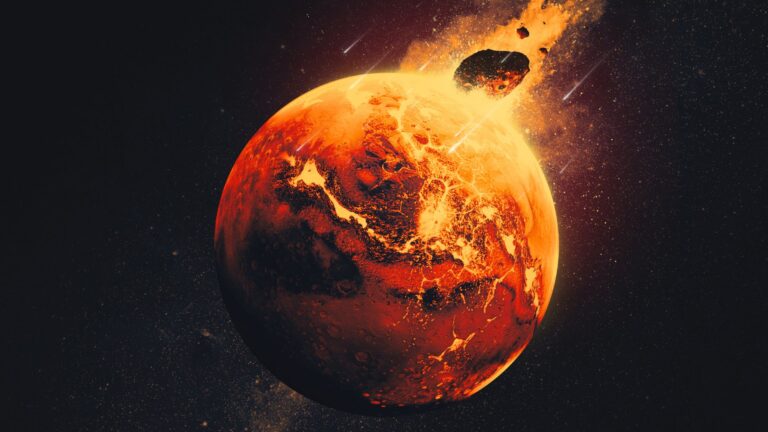
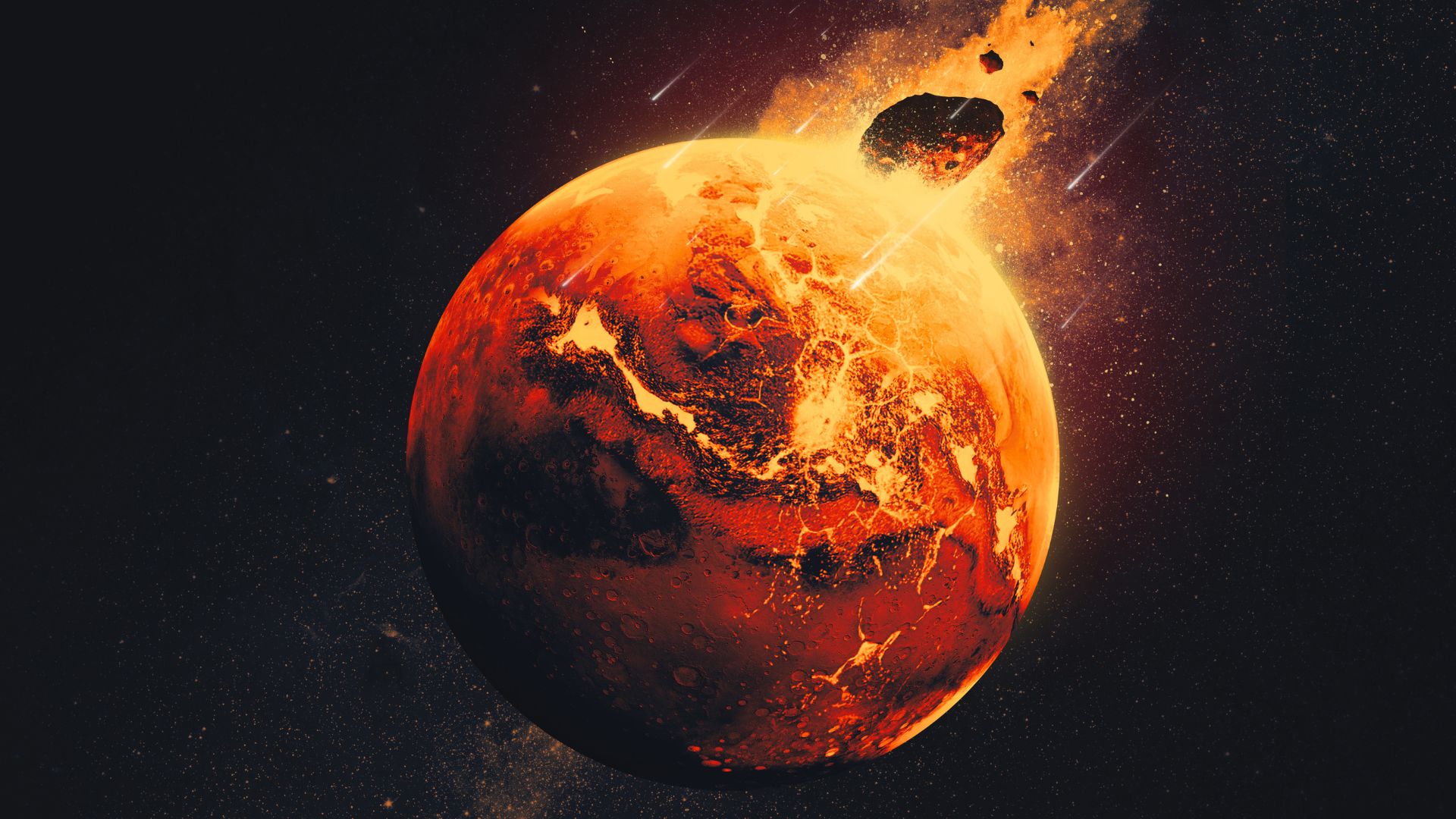
Scientists have discovered a new clue that may help explain how Mars lost much of its water billions of years ago.
Mars is known as a dry and cold desert. However, its surface tells a very different story about its past. Scientists have found channels, valleys, and minerals that formed in water. These geological features suggest that Mars once had rivers, lakes, and possibly even oceans.
Understanding how this water disappeared is one of the biggest mysteries in planetary science.
A new international study published on February 2, 2026, in Communications Earth & Environment provides an important new piece of this puzzle. Researchers discovered that even smaller regional dust storms can play a major role in water loss from Mars.
For many years, scientists believed that only massive, planet-wide dust storms could affect the movement of water in the Martian atmosphere. But this new research shows that intense regional storms can also push water vapor much higher into the atmosphere.
“This discovery shows how this type of storm affects the planet’s climate evolution and helps us understand how Mars lost much of its water,” says Adrián Brines, a researcher at the Instituto de Astrofísica de Andalucía and co-lead author of the study.
The researchers observed an unusual increase in water vapor in the middle atmosphere of Mars during the planet’s northern summer. The event occurred in Martian Year 37, which corresponds to the period between 2022 and 2023 on Earth.
READ ALSO: What Solar Superstorm Did to Mars: ESA Orbiters Capture Rare Event
During this time, a strong but localized dust storm lifted large amounts of dust into the atmosphere. This dust warmed the surrounding air and carried water vapor to much higher altitudes than normal.
The study found that water levels in the middle atmosphere increased to nearly ten times the usual amount. Scientists had never observed such a large increase during this season before. Current climate models had also not predicted such an event.
Soon after this rise in water vapor, scientists noticed another important change. Hydrogen levels in the uppermost part of the Martian atmosphere increased sharply.
WATCH ALSO: Wing expanding drone delivery to additional Walmart stores in US city
The outer layer of the atmosphere, called the exobase, is where gases can escape into space. Researchers observed hydrogen levels there rising to about 2.5 times higher than in previous years during the same season.
Hydrogen escapes easily from Mars. When water molecules break apart in the atmosphere, hydrogen is released and can drift into space. Over billions of years, this process gradually removes water from the planet.
Co-lead author Shohei Aoki from the University of Tokyo explains that these short but powerful events may play a larger role in Mars’ climate history than scientists once thought.
“These results add an important piece to the puzzle of how Mars has been losing its water over billions of years,” Aoki says.
READ ALSO: Inside the Bank of England Gold Vault: Cutting-Edge Tech Guards 400,000 Gold Bars Underground
The findings suggest that even brief but intense dust storms may help send water to the upper atmosphere, where it eventually escapes into space.
By studying these events, scientists hope to better understand how Mars transformed from a wetter world into the dry planet we see today.