The simmering tensions along the Pakistan-Afghanistan frontier have transformed into sustained military confrontation, with 2025 and early 2026 witnessing some of the most intense cross-border exchanges in years.
Artillery duels, drone incursions, precision airstrikes and the destruction of armored vehicles now define a conflict that pits the Taliban-led Afghan administration, armed with advanced US-origin equipment seized in 2021, against Pakistan’s conventionally structured, airpower-dominant military.
Now, the situation is a hybrid battlefield where high-tech American systems meet decades-old Soviet-designed weapons and modern Western aircraft.
Taliban’s Arsenal: From Guerrilla Roots to US-Equipped Force
After the 2021 withdrawal of US and NATO forces, the Taliban inherited billions of dollars’ worth of military hardware. According to US defense assessments at the time, more than $7 billion in equipment remained in Afghanistan. Much of it was designed for a modern, NATO-trained army.
Small Arms and Optics
Taliban units now field M4A1 carbines and M16A4 rifles, chambered in 5.56×45mm NATO caliber. It marks a visible shift from their traditional reliance on AK-pattern rifles. The rifles are often paired with night-vision and thermal-optics systems.
READ ALSO: https://modernmechanics24.com/post/us-israel-air-strikes-iran-nuclear/
These optics give them a real tactical advantage during night engagements. It also increases accuracy and confidence.
Attached M203 40mm grenade launchers provide mid-range explosive capability, enabling small units to target bunkers or fortified positions without heavier artillery support.
Heavy Weapons and Anti-Armor
The Taliban continue to deploy RPG-7 and RPG-29 rocket-propelled grenade systems for anti-tank and anti-bunker roles. Heavy machine guns such as the M2 Browning (.50 BMG) and Soviet-era DShK (12.7×108mm) are frequently mounted on pickup trucks or fortified posts. It allows engagement of light armored vehicles and low-flying aircraft.
Armored Mobility
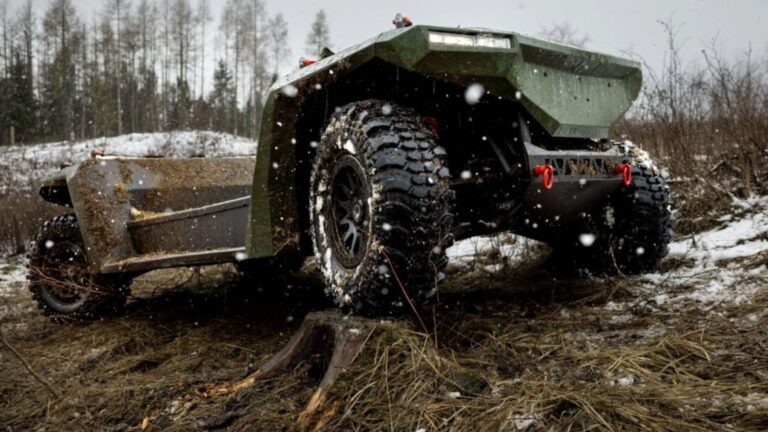
Among the most visible assets are US-supplied armored vehicles, including M1114 and M1151 Humvees, MaxxPro MRAPs, and the M1117 Guardian armored security vehicle.
These were originally designed to withstand improvised explosive devices (IEDs) and small arms fire. Their presence along the border has allowed Taliban units to conduct rapid patrols and reposition forces with relative protection.
However, maintenance remains a critical challenge. These vehicles were built with a complex supply chain in mind. Without consistent spare parts and technical expertise, operational readiness becomes questionable.
The Drone Factor
Perhaps the most disruptive addition to the battlefield is the use of drones. Commercial quadcopters fitted with improvised explosive payloads have been deployed for surveillance and light bombing missions.
Pakistani officials have also reported instances of loitering munitions, kamikaze-style drones used against forward posts.
WATCH ALSO: https://modernmechanics24.com/post/china-6-ton-tiltrotor-first-flight/
Pakistan’s Response: Air Superiority and Heavy Firepower
In contrast to the Taliban’s infantry-heavy structure, Pakistan relies on conventional military doctrine emphasizing air superiority, artillery dominance and layered defense systems.
Fighter Jets and Precision Strikes
Pakistan’s air operations have prominently featured the F-16 Fighting Falcon and the domestically co-produced JF-17 Thunder. Both aircraft are capable of delivering precision-guided munitions.
During escalations, Pakistani authorities confirmed airstrikes targeting militant infrastructure near the frontier.
“We targeted specific hostile positions threatening our border security,” an official statement read. “Our air assets responded decisively.”
Attack Helicopters
The AH-1 Cobra and Mi-35 attack helicopters have been deployed for close air support in mountainous terrain. Their ability to hover and deliver precision rocket and cannon fire makes them highly effective against fortified hilltop positions.
Artillery and Mortars
Pakistan has also employed 155mm towed howitzers for long-range bombardment. Mortars, typically 81mm and 120mm, have been used to suppress bunkers and forward posts.
Anti-Drone Systems
In response to increased drone activity, Pakistan has integrated anti-drone systems designed to jam signals or physically intercept unmanned aerial vehicles. Officials reported multiple successful interceptions during 2026 engagements.
READ ALSO: https://modernmechanics24.com/post/china-tracks-us-near-iran-intel-flex/
Destruction and Capture: Claims and Counterclaims
The most controversial aspect of the conflict involves reports of destroyed and captured equipment. In October 2025 and February 2026, Pakistani sources claimed significant damage to Taliban-linked assets.
According to official briefings, dozens of armored vehicles, including Humvees and armored personnel carriers, were destroyed. However, reported figures vary widely, ranging from 36 to more than 100 vehicles, and remain independently unverified.
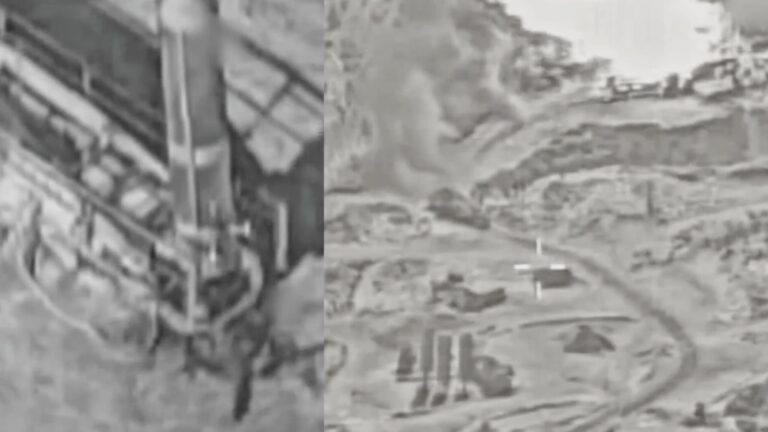
Multiple border checkpoints in areas such as Spin Boldak and Kurram were reportedly leveled during artillery exchanges. Pakistani officials also stated that a battalion-level headquarters structure was hit in one strike.
In separate operations, Pakistani forces said they recovered the US-origin small arms, including M4 and M16 rifles, during infiltration attempts.
Drone debris has also been displayed publicly by Pakistani authorities to demonstrate successful interceptions.
Taliban officials, meanwhile, have disputed several of these claims, accusing Pakistan of exaggerating damage figures.
A Hybrid War With Strategic Implications
The developing conflict illustrates a broader strategic dilemma. The Taliban now operate advanced Western equipment originally intended for a NATO-aligned Afghan army. Pakistan is facing both cross-border militancy and geopolitical sensitivities. It must balance forceful responses with concerns about regional peace.
Maintenance and sustainability may ultimately determine battlefield endurance. While small arms and heavy machine guns are relatively easy to maintain, armored vehicles and advanced optics require logistical support.
Pakistan’s Defence Minister has said that the country is now in “open war” with Afghanistan. This statement came after Pakistan carried out airstrikes in Kabul and other parts of Afghanistan.
Defence Minister Khawaja Muhammad Asif said, “Our patience has now run out,” after the attacks.
The airstrikes happened after the Afghan Taliban launched a major attack on Pakistani military posts near the border on Thursday night.
For the past few months, there have been clashes between Pakistan and Afghanistan. Although both sides agreed to a fragile ceasefire in October, fighting has continued. Talks held last year to end the conflict completely failed, with both countries blaming each other for not taking the negotiations seriously.
The Taliban said it started a retaliatory operation around 8:00 pm on Thursday. It claimed that it captured 19 Pakistani military posts and two bases, and that 55 Pakistani soldiers were killed. However, these claims have not been independently verified.
Pakistan responded quickly. It said the Taliban had wrongly started firing at several locations in Pakistan’s north-western province of Khyber Pakhtunkhwa. Pakistan said its security forces responded immediately and effectively.
WATCH ALSO: https://modernmechanics24.com/post/china-largest-offshore-solar-project/
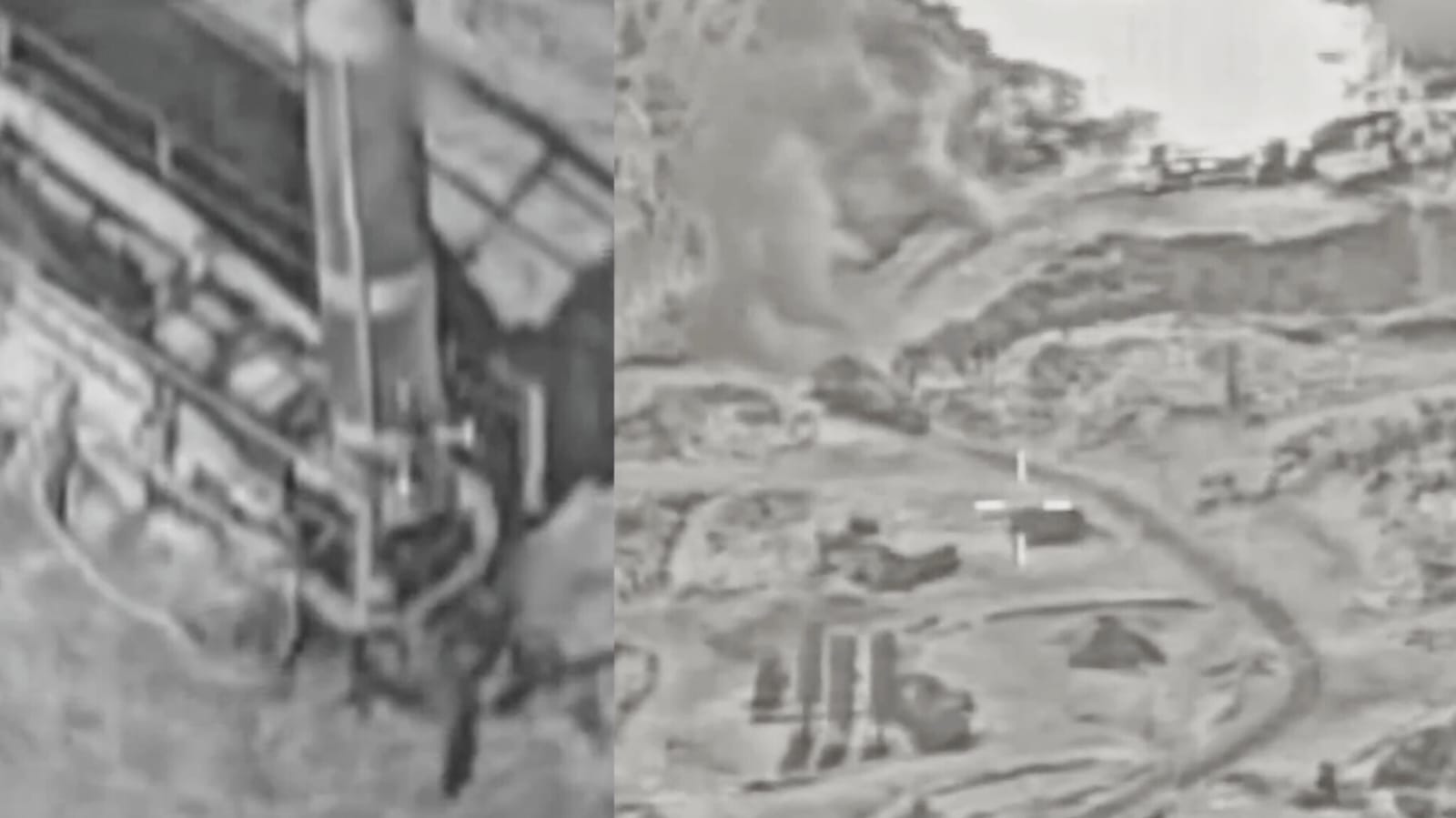
Pakistan, on Friday morning, carried out bombing raids in Afghanistan. It targeted places in Kabul, Kandahar, and Paktika. Pakistan said these strikes were in response to unprovoked Afghan attacks.
These cities are close to the long mountainous border shared by the two countries, which stretches about 2,600 kilometers.
Pakistan’s military spokesman, Ahmed Sharif Chaudhry, said that 22 Afghan military targets were hit and more than 200 Taliban fighters were killed. He also said that at least 12 Pakistani soldiers died in the fighting.
However, Taliban spokesman Mujahid gave different numbers. He said only 13 Taliban fighters were killed and 22 were injured. He also said 13 civilians were injured and some civilians were killed.
As both sides exchange artillery and drone strikes, the conflict represents modern hybrid warfare. Inexpensive commercial drones operate alongside supersonic jets, and US-made armored trucks move under the shadow of 155mm shells.
For now, the border is still volatile.
“We will defend our territory,” a Pakistani official said firmly. “But escalation benefits no one.”
Whether the coming months result in de-escalation or deeper confrontation may depend less on firepower and more on political calculation.