Researchers at Kanagawa Dental University have successfully identified a 13-year-old girl killed in the Hiroshima atomic bombing 80 years ago, using DNA extracted from a few preserved strands of hair. The breakthrough brings closure to the Kajiyama family, who had searched for decades for their lost relative, Hatsue Kajiyama.
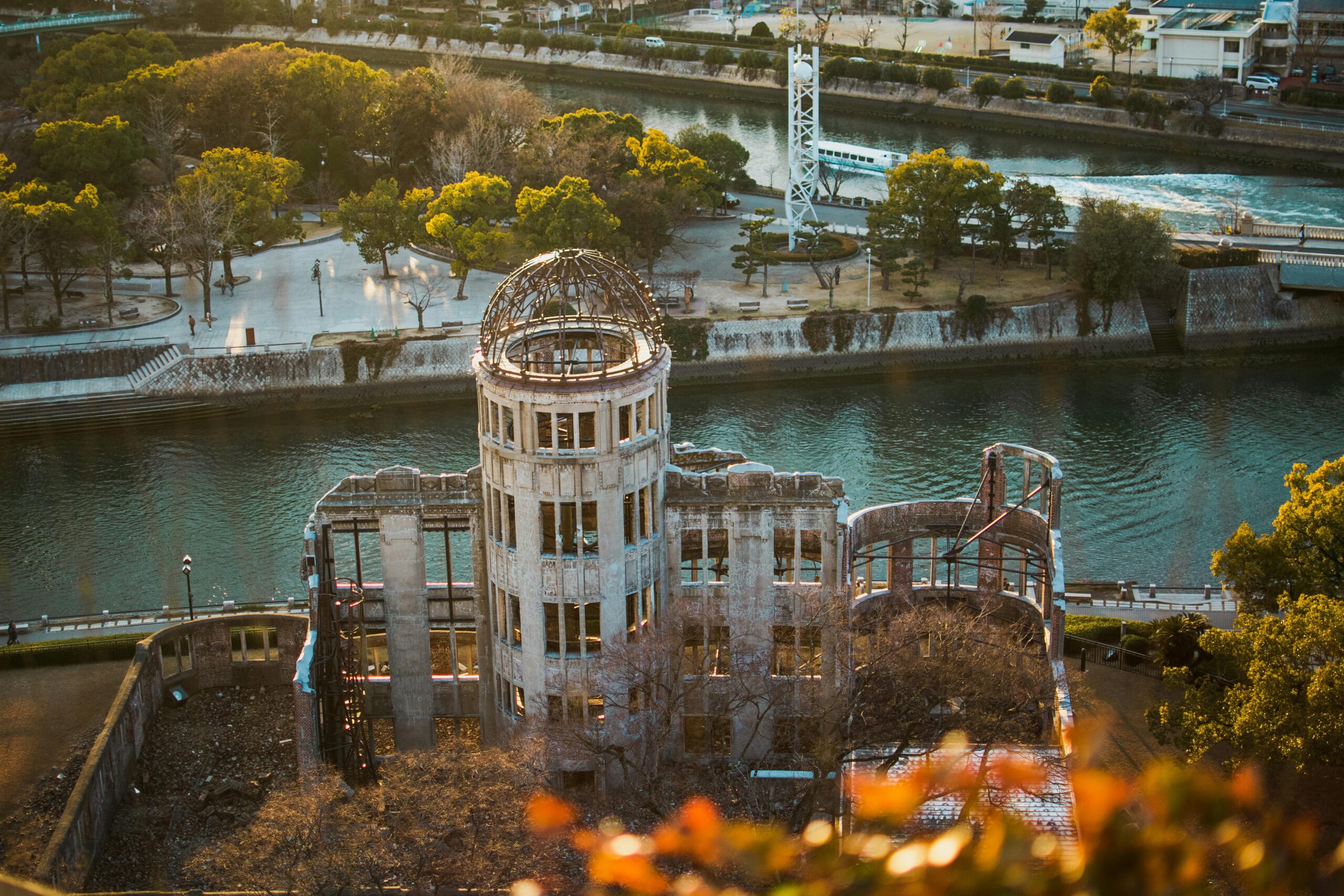
For eight decades, the fate of Hatsue Kajiyama was a silent wound in her family’s history. On August 6, 1945, the 13-year-old was among 360 students killed while creating a firebreak about 1 kilometer from the hypocenter in Hiroshima. Her remains, misidentified under her younger sister’s name, sat among 70,000 unidentified sets in the Hiroshima Peace Memorial Park. This month, thanks to a persistent nephew and pioneering forensic work, she was finally brought home.
The journey to identification began with a separate discovery in 2021, reported the Asahi Shimbun. The remains of Hatsue’s grandmother, Haru, were identified from the vast archive. This prompted Hatsue’s nephew, Shuji Kajiyama, 60, to investigate another set of remains listed under the name “Michiko”—Hatsue’s sister. He theorized that Hatsue might have been carrying her sister’s belongings the day the bomb fell. When he inquired with the Hiroshima city government in May, a key detail matched: the address on the remains’ envelope was Hatsue’s last known residence.
READ ALSO: https://modernmechanics24.com/post/robot-to-build-ev-hyundai-plant/
The critical break came from an unexpected source: a few strands of hair stored with the cremated remains. The Hiroshima city government had historically declined DNA analysis on cremains, considering extraction too difficult. But this hair sample, preserved for decades in a sealed container, offered a chance. The city consulted Kanagawa Dental University, known for its work in identifying war dead. Hiroshi Ohira, an associate professor of dental forensics, took on the task.
On November 27, the hair sample arrived at the university. “The hair was stored in good condition and still had some luster,” Associate Professor Ohira noted, attributing its preservation to the airtight container. By December 10, he had succeeded in extracting viable DNA—a first for the university using hair from the war dead. The DNA was compared to a sample from Hatsue’s now 91-year-old sister, Michiko Daimon. The match was confirmed, removing all doubt about the blood relationship.
For the Kajiyama family, the identification closes a chapter marked by profound regret. In the spring of 1945, as life in Hiroshima grew harder, the family relocated to Manchuria. Hatsue, a diligent second-year student, chose to stay behind with her grandmother to continue her studies. Her letters to her family spoke of studying hard to make them proud, and of interruptions when enemy planes approached. Her mother, Takiko, lived with the lasting pain of not having insisted her daughter come with them.
WATCH ALSO: https://modernmechanics24.com/post/us-supersonic-jet-cuts-flight-time-silences-sonic-boom/
Shuji’s father died in 2023 knowing his mother had been found, but not his sister. “I am glad I decided to undertake the DNA analysis,” Shuji said after receiving the confirmation from the city on December 13. “I hope other families in the same situation as us will have the remains of loved ones returned to them.” He now prepares to formally accept his aunt’s remains in the new year.
This case sets a poignant precedent, demonstrating that even the smallest biological evidence, preserved by chance and time, can resolve histories once thought lost forever. It offers a fragile thread of hope to other families still waiting for answers eight decades after the war.
READ ALSO: https://modernmechanics24.com/post/argonne-xrays-test-hypersonic-materials/