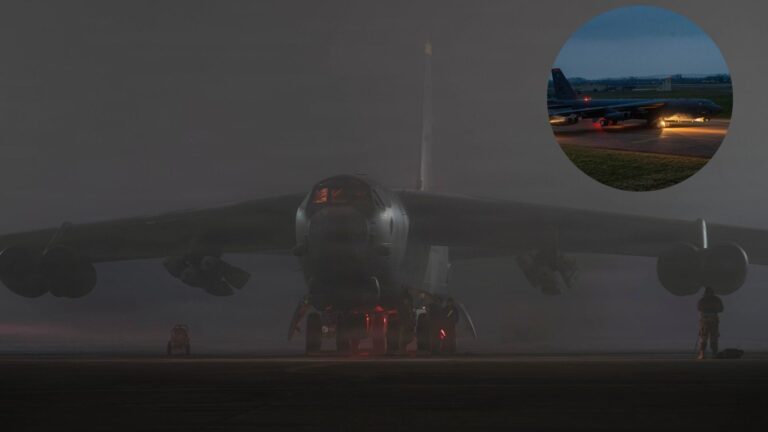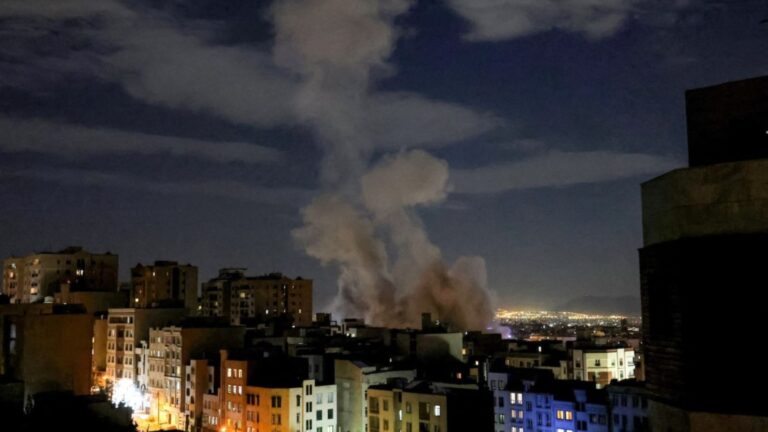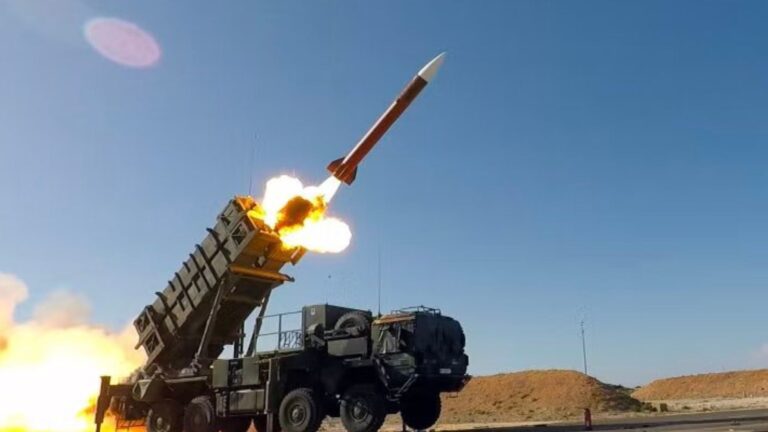
The Danish Armed Forces are immediately increasing military assets in and around Greenland, deploying ships, aircraft, and soldiers in “close collaboration with NATO allies” to strengthen the alliance’s Arctic footprint. Announced by the Danish Ministry of Defense, this strategic surge responds to escalating security tensions and follows intense diplomatic discussions with the United States over the island’s future.
The move isn’t happening in a vacuum. It comes after days of stark rhetoric from the Trump administration focusing on the potential acquisition of Greenland, a semi-autonomous territory within the Kingdom of Denmark. In response, Denmark is acting decisively to assert sovereignty and reinforce stability through allied cooperation. “The purpose is to train the ability to operate under the unique Arctic conditions and to strengthen the alliance’s footprint in the Arctic for the benefit of both European and transatlantic security,” stated the Danish Ministry of Defense. This means more than just a symbolic show of force; it’s about hardening a crucial NATO flank in a region where melting ice is opening new strategic waterways and rivalries.
Practically, what does this increased presence look like? According to the official statement, the deployment begins “from today” and will involve a noticeable ramp-up of military activity. The coming period will see an increased military presence in and around Greenland of aircraft, ships and soldiers, including from NATO allies. This allied component is already taking shape: Finland is assessing a Danish request to send troops, and Germany has agreed to deploy 13 troops to the island, reported Reuters. It’s a clear signal that Arctic security is now a collective NATO concern, not just a bilateral issue between Copenhagen and Washington.
READ ALSO: https://modernmechanics24.com/post/china-bone-free-fish-easier-dining/
The military mobilization unfolded alongside critical diplomatic talks at the highest level. Shortly after the Danish announcement, Greenland’s foreign minister Vivian Motzfeldt and Denmark’s foreign minister Lars Lokke Rasmussen met at the White House with Secretary of State Marco Rubio and Vice President JD Vance. The meeting, as described by Rasmussen, highlighted a fundamental disagreement.
“The discussions focused on how to ensure the long term security in Greenland and here, our perspectives continue to differ,” he told reporters. The U.S. position, influenced by President Trump’s views, appears to challenge the status quo, while Denmark remains steadfast. Rasmussen firmly stated that “ideas that would not respect territorial integrity of the Kingdom of Denmark and the right of self determination of the Greenlandic people are, of course, totally unacceptable.”
WATCH ALSO: https://modernmechanics24.com/post/biohybrid-robots-turn-food-waste-into-functional-machines/
The Danish position is anchored in existing agreements and a clear preference for a multilateral solution. Rasmussen emphasized that long-term security is achievable within the current framework of the 1951 agreement on the defense of Greenland and the NATO treaty. He did, however, leave a door open for increased U.S. involvement under those existing rules, stating, “We would examine any such request.” More importantly, he revealed a longer-term Danish strategy: “We have been [for] a while in NATO, [calling] for a stronger collective role in Greenland, together with a number of allies. And we are eager to work with the US on advancing this agenda.” This frames the troop increase not as a rejection of the U.S., but as an invitation to lead within NATO, not outside it.
The voice of Greenland itself was unequivocal. Ahead of the White House meeting, Greenland’s foreign minister Vivian Motzfeldt declared, “Greenland does not want to be owned by, governed by or part of the United States. We choose the Greenland we know today — as part of the Kingdom of Denmark.” This sentiment underscores the human and political dimension often lost in grand strategic calculations. The financial scale of any potential transaction is staggering; NBC News reported that acquiring Greenland could carry a price tag in the region of $700 billion, citing three sources familiar with internal estimates.
READ ALSO: https://modernmechanics24.com/post/tesla-expands-model-y-europe-canada/
While some U.S. voices have not ruled out forceful action, European analysts consider military conflict between NATO allies an “unlikely” extreme. The gravity of such a scenario was underscored by Danish Prime Minister Mette Frederiksen, who recently warned that a U.S. attack on a NATO ally would mean “the end of the alliance.” When pressed on the issue, NATO Secretary General Mark Rutte refused to speculate on allied support for U.S. military action but affirmed unity on Arctic security itself. For now, Denmark’s answer to Arctic tension is not confrontation, but consolidation—fortifying its position with allied soldiers on the ground, demonstrating resolve, and reaffirming that Greenland’s future will be decided in Copenhagen and Nuuk, not through unilateral action.