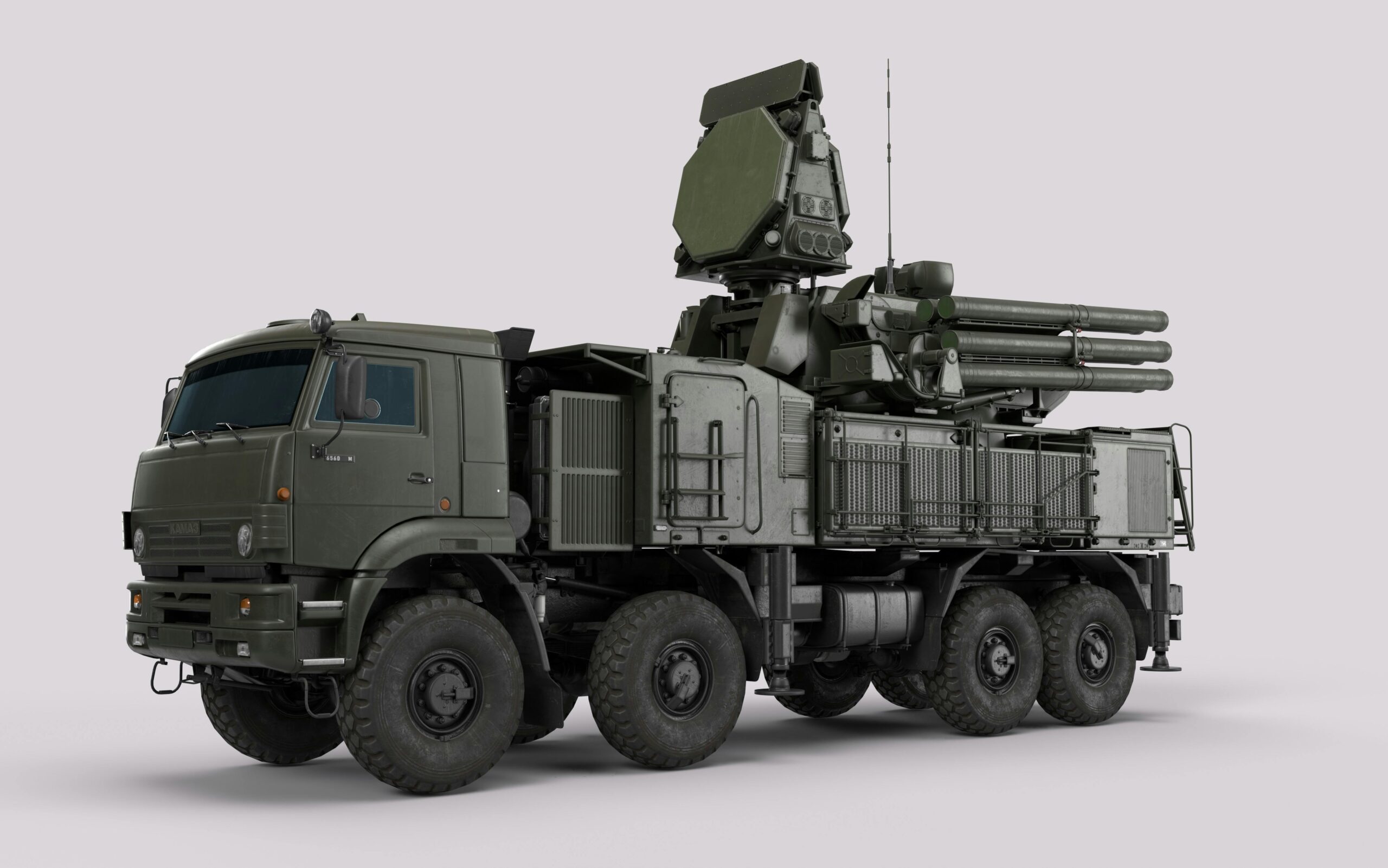
U.S. Army officials have disclosed that the Long Range Hypersonic Weapon (LRHW), known as Dark Eagle, boasts a striking range of 3,500 kilometers and carries a surprisingly small warhead weighing under 30 pounds. The new details emerged during a briefing for Pentagon acquisition chief Heidi Shyu at Redstone Arsenal in Alabama, offering the clearest public picture yet of a weapon designed to hold distant, heavily-defended targets at risk in under 20 minutes.Weapons
The visit, captured by C-SPAN and reported by The War Zone, was more than a routine update. It was a confident showcase of a program nearing operational status. Lieutenant General Francisco Lozano, the Army’s Director for Hypersonics, Directed Energy, Space and Rapid Acquisition, laid out the missile’s global reach in stark terms. He stated the Dark Eagle could hit “mainland China from Guam,” strike Moscow from London, or reach Tehran from Qatar. This 3,500-kilometer (2,175-mile) range significantly exceeds the previously stated minimum of 2,775 kilometers, indicating either improved performance or a more candid assessment of the weapon’s capabilities.
Perhaps even more startling than its reach is the size of its punch. An unnamed Army officer at the briefing revealed the missile’s warhead weighs less than 30 pounds—smaller than the explosive payload on a standard AIM-120 air-to-air missile. So why such a tiny warhead on such a long-range weapon? The officer explained it was designed to propel its “projectiles,” suggesting a blast-fragmentation type, with an effect area “about the same size as the parking lot they were standing on.” This disclosure is particularly notable given past concerns from Pentagon testers, reported earlier this year, about validating the weapon’s lethal effects against realistic targets.
READ ALSO: https://modernmechanics24.com/post/turkey-mine-clearing-system-400kg-rocket/
This focus on a small, kinetic-focused warhead is a deliberate trade-off. The Dark Eagle is a hypersonic boost-glide vehicle, meaning it is launched on a rocket booster before separating and gliding through the upper atmosphere at speeds exceeding Mach 5. Its destructive power comes less from a massive explosive yield and more from the sheer, colossal kinetic energy of a man-made object slamming into a target at over a mile per second. This makes it ideal for destroying hardened, high-value targets like command bunkers, air defense sites, and critical radar arrays by sheer force of impact, with the fragmentation warhead providing a secondary effect against softer equipment in the immediate vicinity.
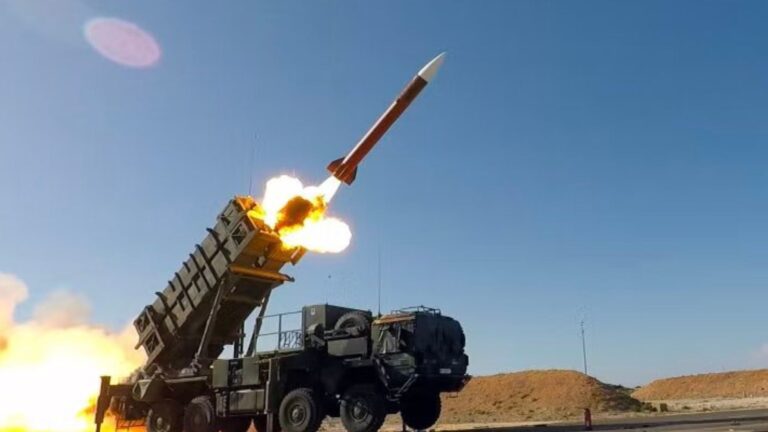
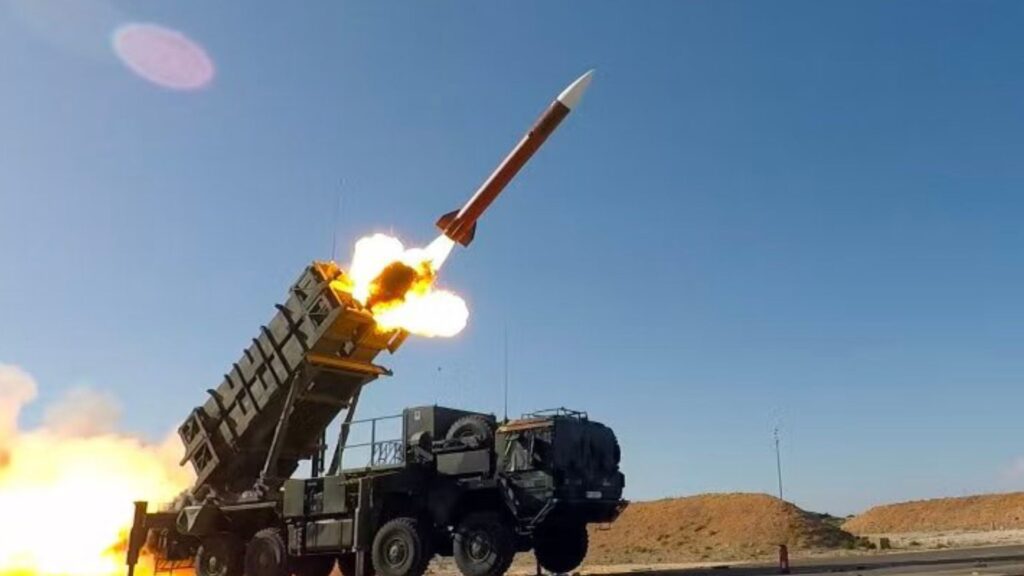
The briefing also shed light on the urgent production push behind this “silver bullet” weapon. When asked about manufacturing rates, the Army officer stated they are currently producing one missile per month, with a goal of ramping up to two per month, or 24 per year. This emphasis on production speed, according to The War Zone, reflects a top-level Pentagon concern over building sufficient “combat mass” for a potential large-scale conflict. The U.S. Army intends for the first Dark Eagle battery to achieve operational capability by the end of Fiscal Year 2025, marking the culmination of a development path fraught with delays, including a multi-year wait for its first successful launch from its transporter-erector-launcher (TEL).
WATCH ALSO: https://modernmechanics24.com/post/us-supersonic-jet-cuts-flight-time-silences-sonic-boom/
For the United States, fielding the Dark Eagle is about more than just adding a new missile to the inventory. It represents a critical step in closing a perceived hypersonic gap with peer competitors like China and Russia, who have already deployed similar systems. By finally revealing key specifications like its extended range and unique warhead approach, the Army is signaling that its premier hypersonic strike system is transitioning from a troubled science project to a tangible, deployable weapon that could redefine the timing and calculus of long-range strikes in future conflicts.