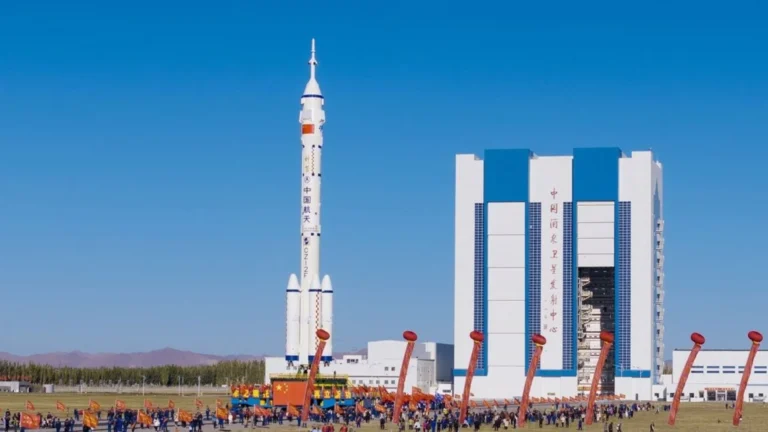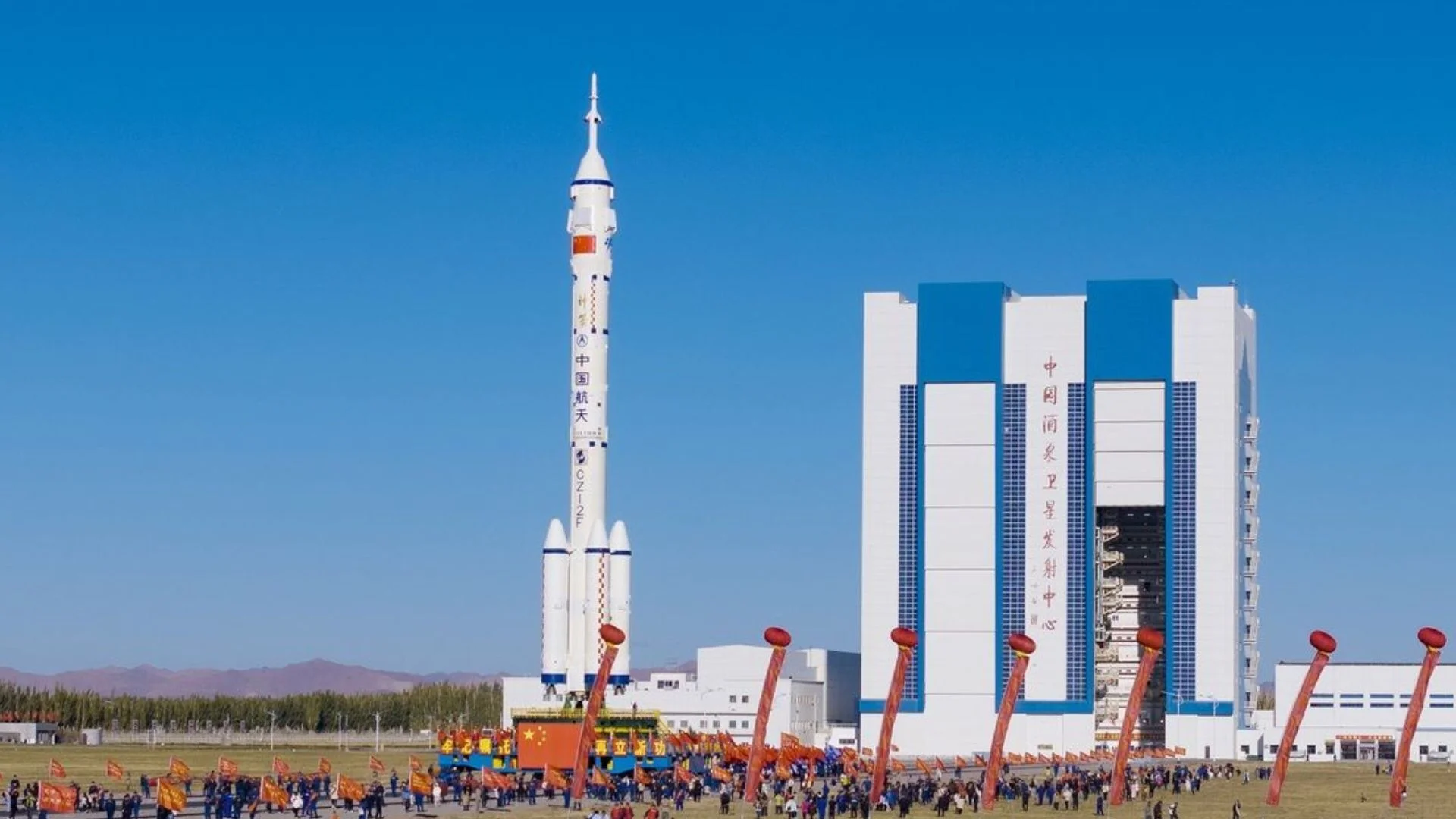
China’s privately built Tianlong-3 rocket suffered a flight anomaly and failed during launch on Friday. The rocket, developed by Beijing-based start-up Space Pioneer, was meant to challenge SpaceX’s Falcon 9. The failure delays China’s plan to build its own internet satellite megaconstellations.
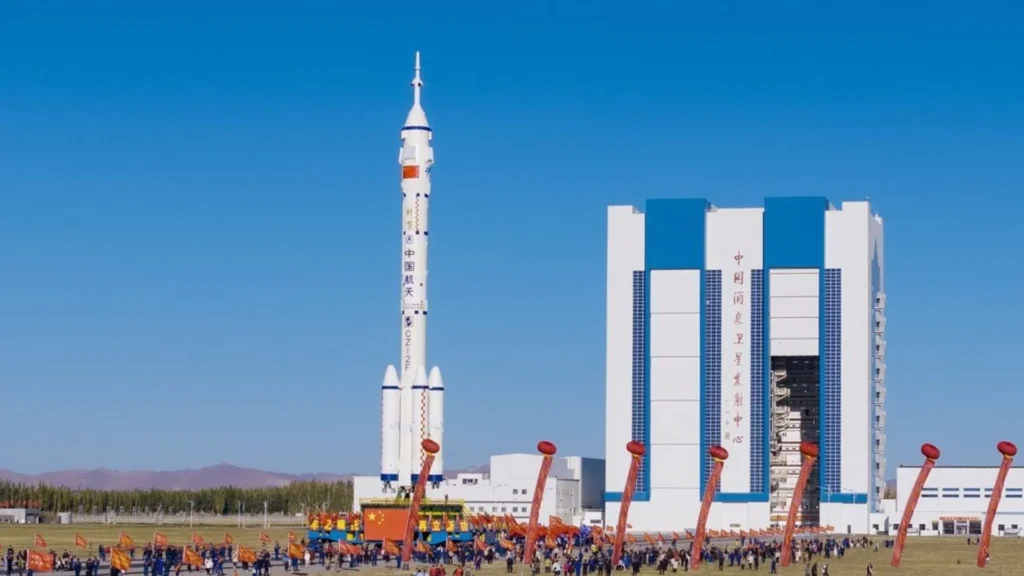
The 72-meter-tall rocket lifted off from the Jiuquan Satellite Launch Centre in the Gobi Desert at 12.17pm. Shortly after, an anomaly occurred. Space Pioneer apologized to its partners and said it is investigating the exact cause.
China needs a reliable, reusable rocket to launch thousands of broadband satellites. Two major projects — the government-backed Guowang (roughly 13,000 satellites) and the Shanghai-backed Qianfan (over 15,000 planned) — aim to compete with SpaceX’s Starlink, which already has more than 10,000 satellites in orbit. Tianlong-3 was designed to carry 36 Qianfan satellites in a single launch.
READ ALSO: MGI TigerShark Drone Flies First Tests with Long-Range Strike and Autonomous Missions
The rocket uses liquid oxygen and kerosene, similar to Falcon 9. To avoid carbon buildup (coking) that limits reuse, Space Pioneer replaced traditional petroleum-based kerosene with a cheaper, coal-based alternative. China has abundant coal reserves. The first stage has grid fins and landing legs, designed to be reused at least 10 times. Its capacity to low Earth orbit is 22 tonnes, comparable to that of the Falcon 9.
The rocket could have helped China catch up. So far, only 108 Qianfan satellites are in orbit — far short of the 1,300 target by the end of next year. China has even filed to launch over 200,000 satellites with the International Telecommunication Union.
But the rocket has a troubled history. In 2024, during a static-fire test, the nine-engine first stage unexpectedly lifted off, flew into the sky, then crashed and exploded. No one was hurt. Space Pioneer later identified structural weaknesses in the tail section. They made more than 100 technical upgrades before Friday’s launch. Still, this latest failure shows reliability remains a challenge.
WATCH ALSO: Chinese humanoid robot plays basketball with almost human-like accuracy
Two other Chinese reusable rockets — LandSpace’s Zhuque-3 and the state-owned Long March 12A — reached orbit in December but failed to recover their first stages. SpaceX has a massive lead. Without a working reusable rocket, China cannot deploy its megaconstellations affordably or quickly. This failure pushes that goal further out of reach.