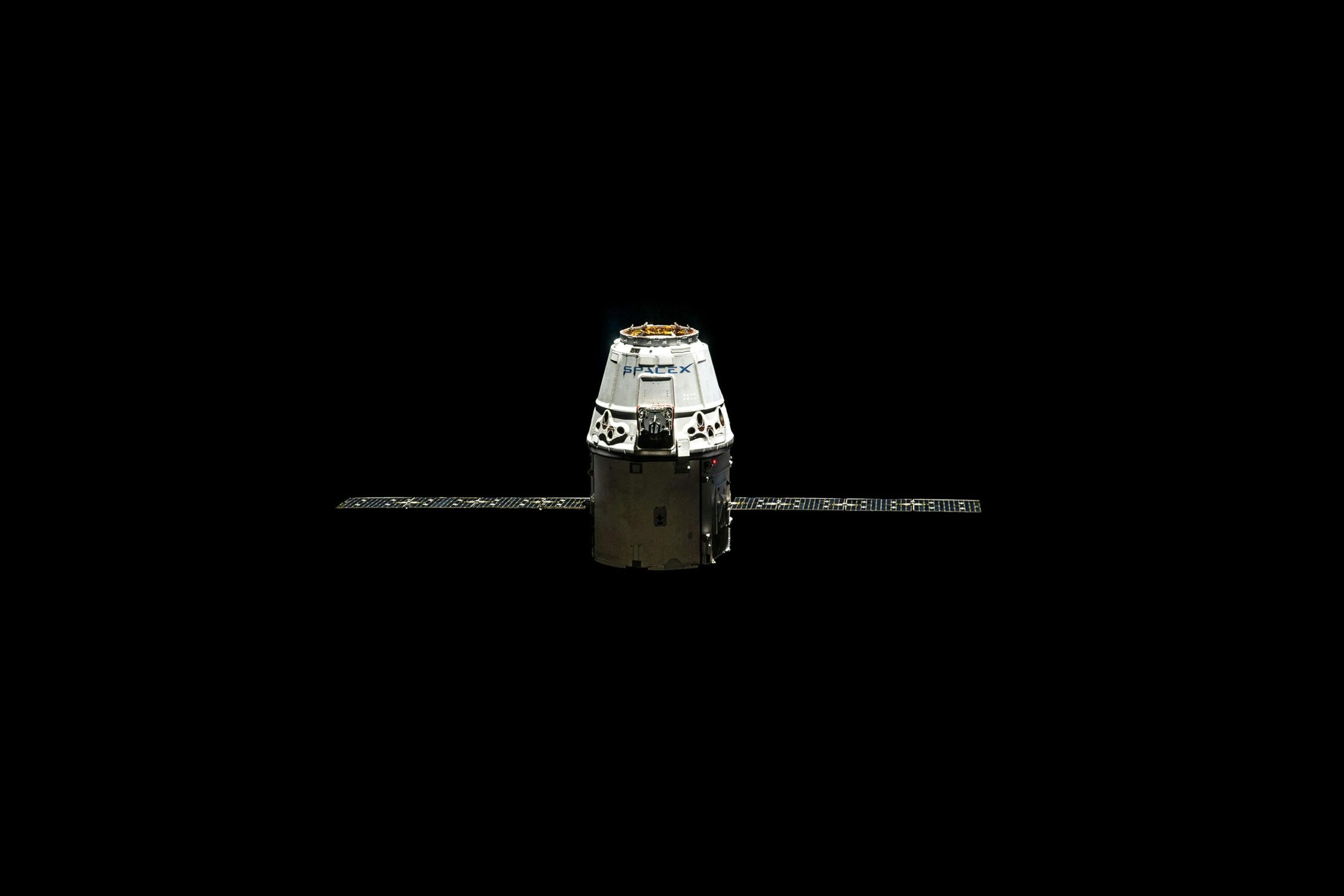
Chinese diplomats have warned the United Nations that the rapid, unchecked expansion of Elon Musk’s Starlink satellite constellation presents “pronounced safety and security challenges” to all nations. In a statement to a UN Security Council meeting, Beijing cited two dangerous close approaches by Starlink satellites to the Chinese space station in 2021 and a recent satellite disintegration that created hundreds of debris pieces, accusing SpaceX of crowding orbits and failing to coordinate.
The warning, delivered during a meeting initiated by Russia, marks a formal escalation of Beijing’s concerns over the over 10,000 Starlink satellites currently in orbit. China’s representative argued that the “unchecked proliferation” of such commercial megaconstellations, primarily by “a certain country”—a clear reference to the United States—significantly increases collision risks, especially for spacecraft from developing nations lacking advanced avoidance capabilities. The diplomat stated these activities “have given rise to pronounced safety and security challenges,” according to the official mission transcript.
Beyond orbital safety, China levied serious accusations regarding Starlink’s use on Earth. The representative claimed the satellites have been employed for unauthorized military reconnaissance, interfered in other countries’ internal affairs by providing cross-border signals, and have become a tool for “terrorists, separatist forces and telecommunications fraud networks” in regions like South Asia and Africa. While SpaceX has previously stated it turns off beams over unauthorized areas and disables kits used by scam centers, Beijing insists the launching state bears ultimate responsibility under the 1967 Outer Space Treaty.
READ ALSO: https://modernmechanics24.com/post/paralysed-chinese-man-builds-smart-farm/
The critique arrives amidst a brewing orbital rivalry. While condemning Starlink’s scale, China is actively developing its own internet megaconstellations, including the Guowang and Shanghai-backed Qianfan projects, which together plan to launch over 28,000 satellites by 2030. The diplomatic complaint also followed a public dispute over a near-miss incident in December. Michael Nicolls, Starlink’s vice-president of engineering, claimed a newly launched Chinese satellite did not coordinate its movement, while the Chinese launch provider, CAS Space, argued coordination responsibility ends after payload separation.
China’s statement is a strategic move to frame SpaceX’s operational dominance as a global governance problem. By invoking the UN and international law, Beijing seeks to pressure the U.S. to impose stricter regulations on its commercial space companies and to legitimize its own counter-constellations. The core message is clear: in the new space race, Elon Musk’s ambitious network is not just a commercial venture but a geopolitical flashpoint, with Beijing positioning itself as a champion for regulated, responsible use of the shared orbital commons.
WATCH ALSO: https://modernmechanics24.com/post/ula-atlasv-amazon-leo-success/