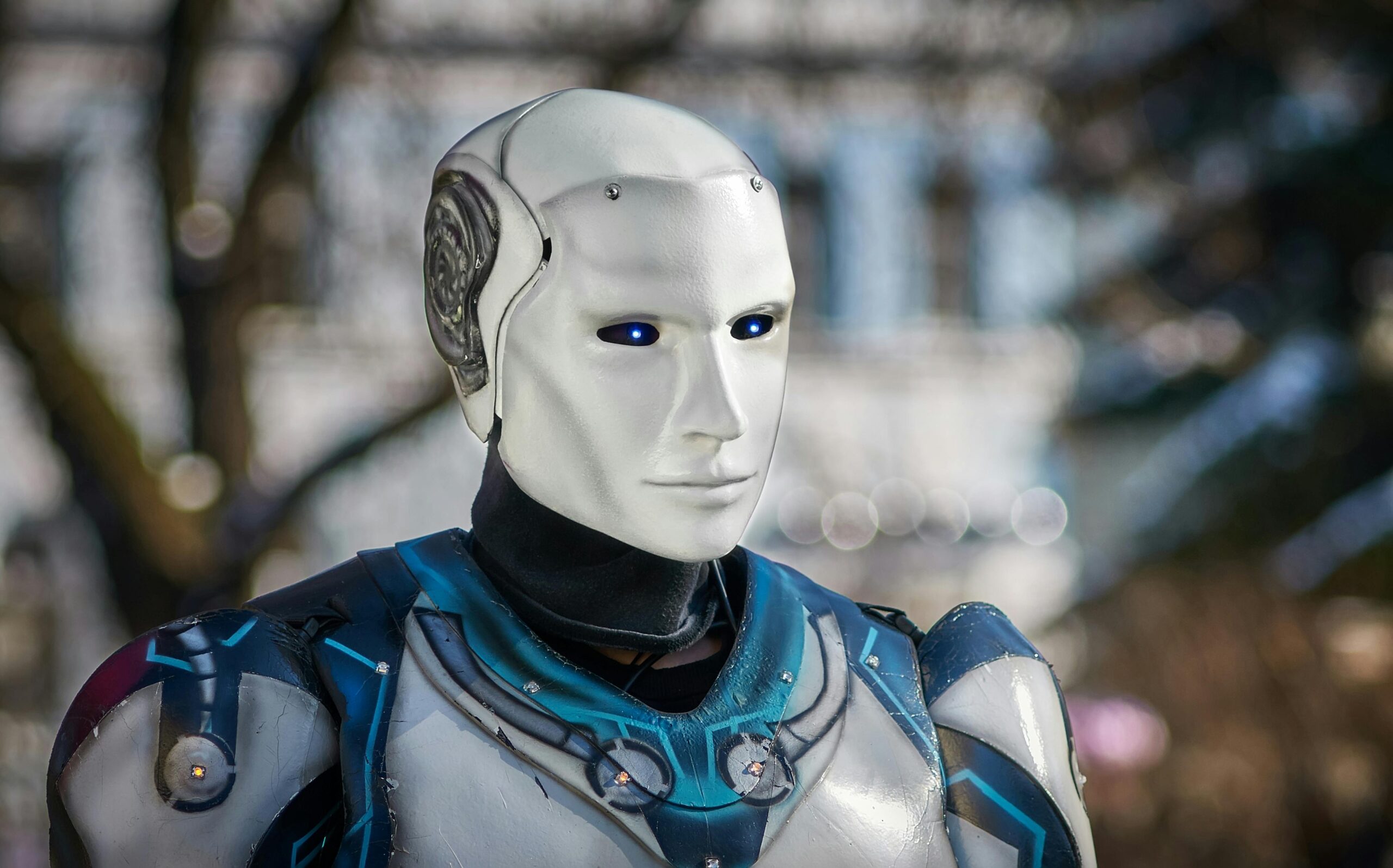
Chinese researchers and companies have secured a commanding lead in the foundational race to build advanced humanoid robots, filing five times more patents than their U.S. counterparts over the last five years, according to a major new analysis by Morgan Stanley. The report underscores China’s dual dominance in both intellectual property and critical, cost-effective manufacturing for the emerging embodied AI sector.
Imagine a world with a billion humanoid helpers. That’s the scale of adoption Morgan Stanley analysts project by 2050, and based on the current data, China is positioning itself to be the primary factory and innovator for that future. The numbers are stark: from 2020 to 2024, China recorded 7,705 humanoid robot patents, dwarfing the 1,561 filed in the United States. Japan was a distant third with 1,102, followed by the World Intellectual Property Organization (WIPO). This torrent of filings, detailed in the investment bank’s “Robot Almanac, Volume 3,” signals an intense, state-backed focus on what’s termed “embodied intelligence.”
But patents are just one part of the story. The real competitive edge, according to Morgan Stanley, lies in China’s unparalleled supply chain. The report presented a striking cost analysis: building Tesla’s Optimus Gen 2 humanoid without Chinese components would see its bill of materials skyrocket from about $46,000 to a staggering $131,000. Key hardware like actuators—the devices that move a robot’s joints—would jump from $22,000 to $58,000. This cost fortress makes China not just an innovator, but an indispensable manufacturing hub that global players cannot easily bypass.
READ ALSO: https://modernmechanics24.com/post/macron-france-new-aircraft-carrier-plan/
“The analysis also highlighted the cost advantage China brings to the humanoid robot supply chain,” stated the Morgan Stanley report, produced by its Global Embodied AI Team. This advantage is already being leveraged domestically by a who’s who of Chinese industrial giants. Companies like BYD, Geely, Xpeng, NIO, Li Auto, Xiaomi, and Midea are actively testing and deploying humanoids in their own factories and logistics networks. For instance, appliance maker Midea recently unveiled a six-armed industrial humanoid slated for deployment by year’s end, while electric vehicle maker Xpeng has boldly announced a goal to sell 1 million units by 2030.
This activity feeds into a broader industrial dominance. China now accounts for 54 percent of all global industrial robot installations, more than the rest of the world combined. This massive, active testing ground provides Chinese firms with invaluable real-world data to iterate and improve their designs faster than competitors confined to labs. Leading the pack in current global usage, according to the report, is Unitree Robotics’ G1 humanoid, a product that has gained international attention for its agility and relatively accessible price point.
The driving force behind this surge is a powerful synergy of policy support and aggressive private-sector investment aimed at accelerating innovation. China’s push isn’t happening in a silo; it’s a coordinated effort to own the next frontier of automation. While Western companies often focus on visionary prototypes, Chinese firms are executing a dual strategy of securing the intellectual property and mastering the economics of production. As the race to build viable humanoid robots shifts from research papers to factory floors and eventually into homes and businesses, China’s patent punch and price leadership may well define the pace and shape of our automated future.
WATCH ALSO: https://modernmechanics24.com/post/rolls-royce-test-methanol-marine-engine-2/