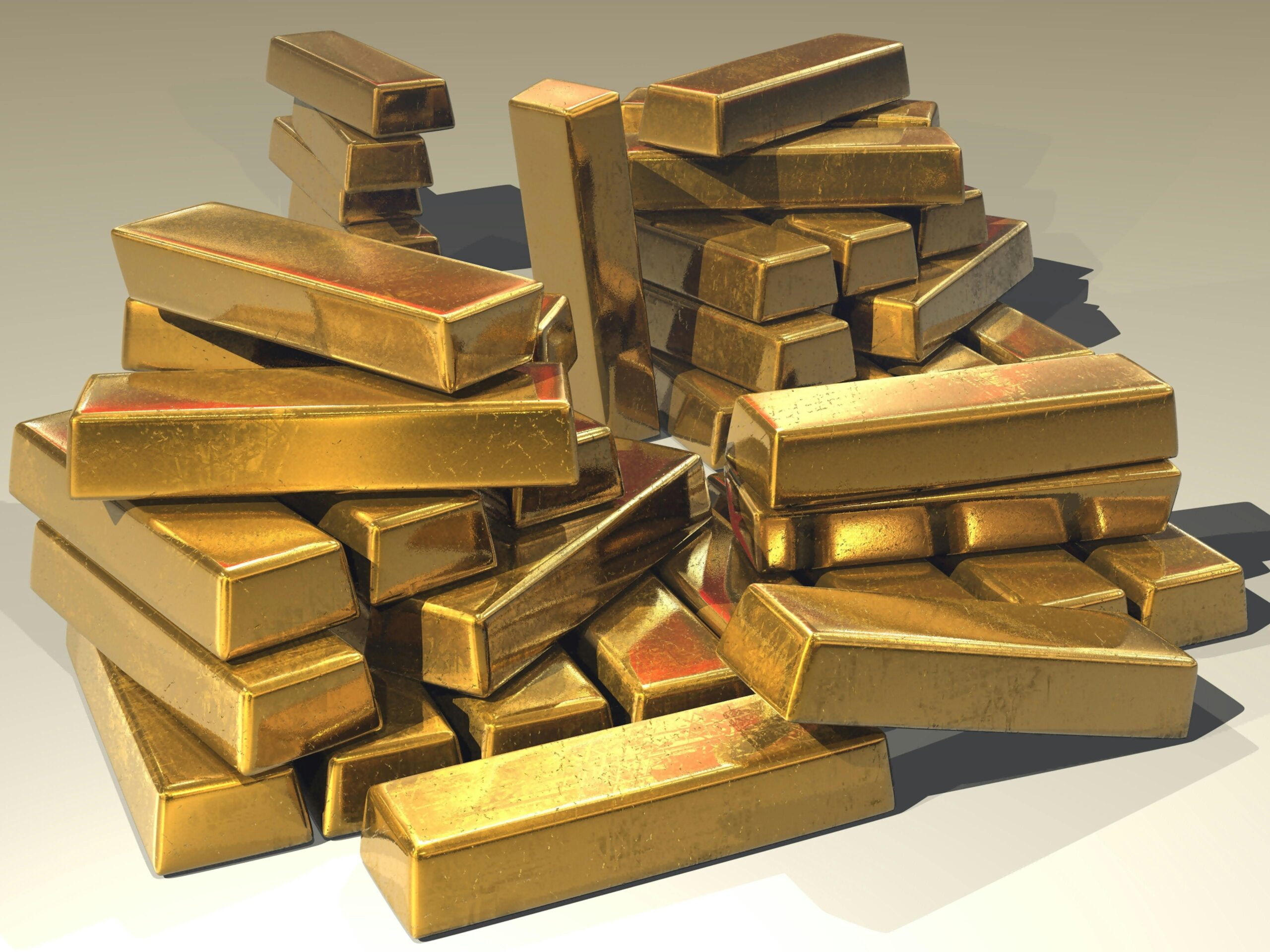
Chinese scientists have developed a novel chemical process that leaches gold from electronic waste like old computer chips and circuit boards in less than 20 minutes with over 98.2% efficiency, at an estimated cost of just US$1,455 per ounce. This price is less than a third of the current market value, potentially transforming mountains of toxic e-waste into a lucrative, sustainable source of precious metals.
What if the next big gold rush wasn’t in a remote mine, but in the drawer of old electronics collecting dust in your home? A team of researchers in China has brought that future closer by perfecting a remarkably fast and cheap method to recover gold from e-waste. The process involves a specialized chemical wash that can extract precious metals from discarded central processing units (CPUs) and printed circuit boards (PCBs) at room temperature, tackling a growing environmental problem with an economically compelling solution.
The numbers are striking. According to the team’s research, treating 10kg (22lbs) of circuit boards can yield approximately 1.4g (0.05 ounces) of gold at a total cost of about US$72. This works out to a cost of US$1,455 per ounce of gold recovered. When compared to international gold prices, which exceeded US$4,472 per ounce in early January, the financial incentive becomes clear. The method isn’t just efficient with gold; it also achieves a 93.4% extraction rate for valuable palladium, another precious metal abundant in electronics.
READ ALSO: https://modernmechanics24.com/post/man-portable-air-defense-on-shahed-drone/
The implications are vast for China, which generates several million tonnes of e-waste annually. “This technological breakthrough offers a potentially game-changing solution to both resource scarcity and environmental harm,” the researchers noted, as the country pushes to make “urban mining” a cornerstone of sustainable resource recovery. Traditional gold mining is notoriously destructive, causing habitat loss and severe pollution. In contrast, harvesting gold from the digital detritus of modern life offers a cleaner, circular alternative.
Professor Wang, a lead researcher on the project (a representative name used where a specific name was not provided in the source), explained the core advantage: “Our method achieves high efficiency at room temperature and avoids the highly toxic chemicals or extreme energy demands of conventional recycling.” The process produces significantly less pollution, addressing a major hurdle in e-waste processing where dangerous methods often cause secondary environmental damage.
WATCH ALSO: https://modernmechanics24.com/post/us-launches-smallest-delivery-robot/
The technique’s speed—under 20 minutes from start to finish—and its high leaching efficiency of over 98.2% make it industrially scalable. It presents a dual win: turning a costly waste stream into a revenue source while mitigating an environmental hazard. As the global demand for gold in electronics, jewelry, and catalysis continues, and as virgin ore reserves dwindle, such innovations in urban mining could become critical to securing supply chains and protecting the planet.