China’s National People’s Congress has formally updated its Civil Aviation Law for the first time since 1995, bringing the booming drone industry under comprehensive national legislation. The sweeping revisions, effective July 1, mandate airworthiness certification and unique ID codes for drones, a move that aims to plug safety gaps while officially backing the strategic low‑altitude economy projected to be worth over 2 trillion yuan (US$280 billion) by 2030.
The legal overhaul, approved by the National People’s Congress Standing Committee, represents a pivotal shift from interim guidelines to permanent law. According to the state news agency Xinhua, the revised law expands to 16 chapters and 262 articles, introducing a dedicated chapter for civilian uncrewed aircraft. Crucially, it requires all entities involved in drone design, production, import, and flight operations to obtain airworthiness certification from the Civil Aviation Administration of China (CAAC), unless exempted. This elevates previous 2024 rules that only required certification for medium and large models, reported Xinhua.
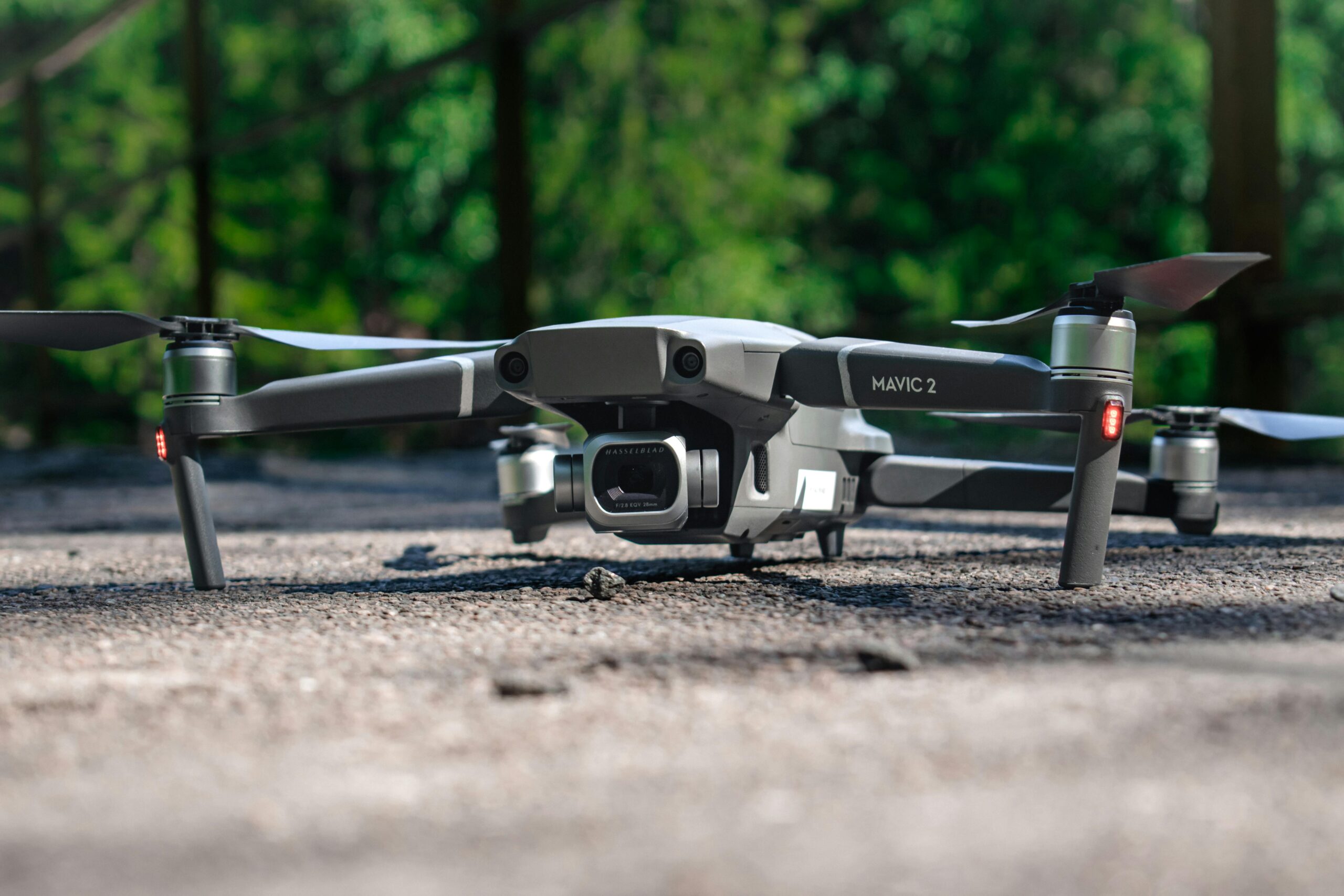
This legal framework directly responds to growing safety incidents as China’s drone market has exploded. Mainland airports have faced repeated disruptions from “black flying”—unauthorized drone operations—leading to flight delays, diversions, and stringent local bans. For instance, on February 26, an unregistered drone near Urumqi Tianshan International Airport caused significant delays, resulting in administrative detention for its operators. By mandating unique identification codes for traceability and real-name registration, the new law empowers authorities to clamp down on such incidents while providing clearer liability and sanctions.
READ ALSO: https://modernmechanics24.com/post/russia-artificial-gravity-space-station/
Beyond safety, the legislation is a strategic industrial policy lever. The low‑altitude economy—commercial activities below 3,000 metres (9,840 feet)—is a key growth pillar for China, covering everything from parcel delivery to advanced air mobility like passenger drones. Estimates from the CAAC valued the sector at over 500 billion yuan in 2023. By formalizing the rules, Beijing provides regulatory certainty intended to foster responsible innovation and investment in this high-potential industry. The law also explicitly bans laser and electromagnetic interference with aircraft, further tightening general aviation safety.
The timing coincides with heightened technological rivalry. The United States Federal Communications Commission has recently labeled Chinese drones a national security threat, restricting their use. While China’s airworthiness certification aligns with US practices, Beijing’s approach goes further by embedding systemic traceability through real‑name registration and product ID requirements. This underscores a dual focus: ensuring domestic safety and control while bolstering a globally competitive industry against geopolitical headwinds. The revised Civil Aviation Law thus serves as both a regulatory backbone for China’s airspace and a foundation for its ascent as a leader in the future of low-altitude transportation and logistics.
WATCH ALSO: https://modernmechanics24.com/post/ula-atlasv-amazon-leo-success/