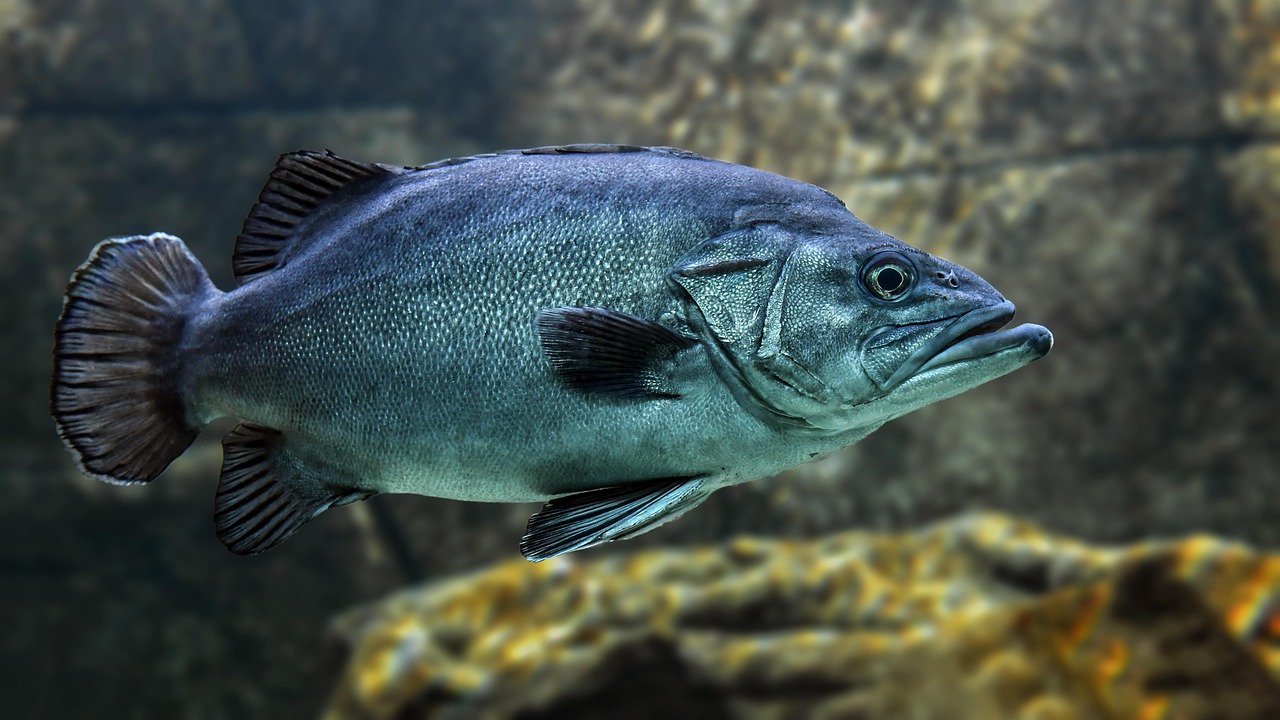
Academician Gui Jianfang and a research team from the Chinese Academy of Sciences (CAS) have engineered a new breed of carp that is completely free of the more than 80 tiny, forked bones that make eating the popular fish a tedious chore. Dubbed “Zhongke No. 6,” this gene-edited Gibel carp also grows faster and requires less feed, promising a more sustainable and consumer-friendly protein source.
For generations, enjoying a carp dinner has been a game of patience versus peril. The fish is beloved across many cuisines for its delicate flavor and high protein content, but navigating its intricate skeleton of Y-shaped intermuscular bones (IBs) is a universally frustrating experience. You might wonder, is the delicious flesh worth the meticulous picking? According to a team of Chinese researchers, the answer is now a definitive yes, and they’ve rewritten the fish’s genetic blueprint to prove it.
The breakthrough, announced by the Institute of Hydrobiology at CAS, solves a biological puzzle that has long stumped both chefs and scientists. Led by Academician Gui Jianfang, the researchers embarked on a six-year systematic program to design what they call a “precision seed.” Their target was not just any trait, but the very genetic instructions that build those pesky bones. “Our goal was to create a fish that retains all the desirable qualities of carp but removes the primary barrier to its consumption,” stated Gui Jianfang, as reported by the South China Morning Post.
READ ALSO: https://modernmechanics24.com/post/china-humanoid-robot-patent-lead/
To achieve this, the team first had to play genetic detective. They meticulously mapped the complex genome of the Gibel carp (Carassius gibelio) to identify the master regulator behind bone development. Their search pinpointed the runx2b gene, the biological architect responsible for instructing the body to form those tiny, fork-shaped spines. The challenge was amplified because this particular fish carries multiple sets of chromosomes, making a precise edit more difficult.
The tool of choice was the now-famous CRISPR/Cas9 gene-editing system, which acts like a pair of molecular scissors. In a carefully orchestrated procedure at the embryonic stage, scientists used CRISPR to perform a surgical strike on the runx2b gene. This crucial cut deleted the specific genetic code for growing intermuscular bones. Imagine turning off a single, faulty instruction in a vast construction manual; the main structure—the fish’s central skeleton—develops perfectly, but the order to install the troublesome small bones is never issued.
The result is the “Zhongke No. 6” breed, a fish optimized for the modern table and aquaculture farm. Beyond being bone-free, it boasts a trio of superior traits engineered for efficiency and resilience. It exhibits high yield, grows more rapidly, shows enhanced disease resistance in crowded farming conditions, and requires less feed to produce the same amount of high-quality protein. This makes it not only a win for diners but also a potential milestone for sustainable aquaculture practices.
WATCH ALSO: https://modernmechanics24.com/post/ula-atlasv-amazon-leo-success/
This achievement is a flagship outcome of the CAS strategic research program “Precision Seed Design and Creation,” which aims to harness advanced biotechnologies for agricultural innovation. It moves us beyond traditional selective breeding into an era of direct genetic design. The development signals a future where the genetic traits of food sources can be tailored to meet specific consumer demands and environmental needs, potentially transforming other crops and livestock. For now, fish lovers can eagerly anticipate the day when a delicious, nutritious carp fillet arrives on their plate—ready to enjoy without a single careful bite.