Scientists at the Chinese Academy of Sciences (CAS) have built a new type of solar cell that achieved a world record efficiency of 15.45%. The kesterite solar cell solves a long-standing problem with metal ion movement that previously reduced performance and reliability.
Researchers at the Chinese Academy of Sciences fabricated a kesterite solar cell that reached 15.45% power conversion efficiency. An independent lab later certified it at 15.04%. The previous world record of 14.2% was set by the same team in June 2024.
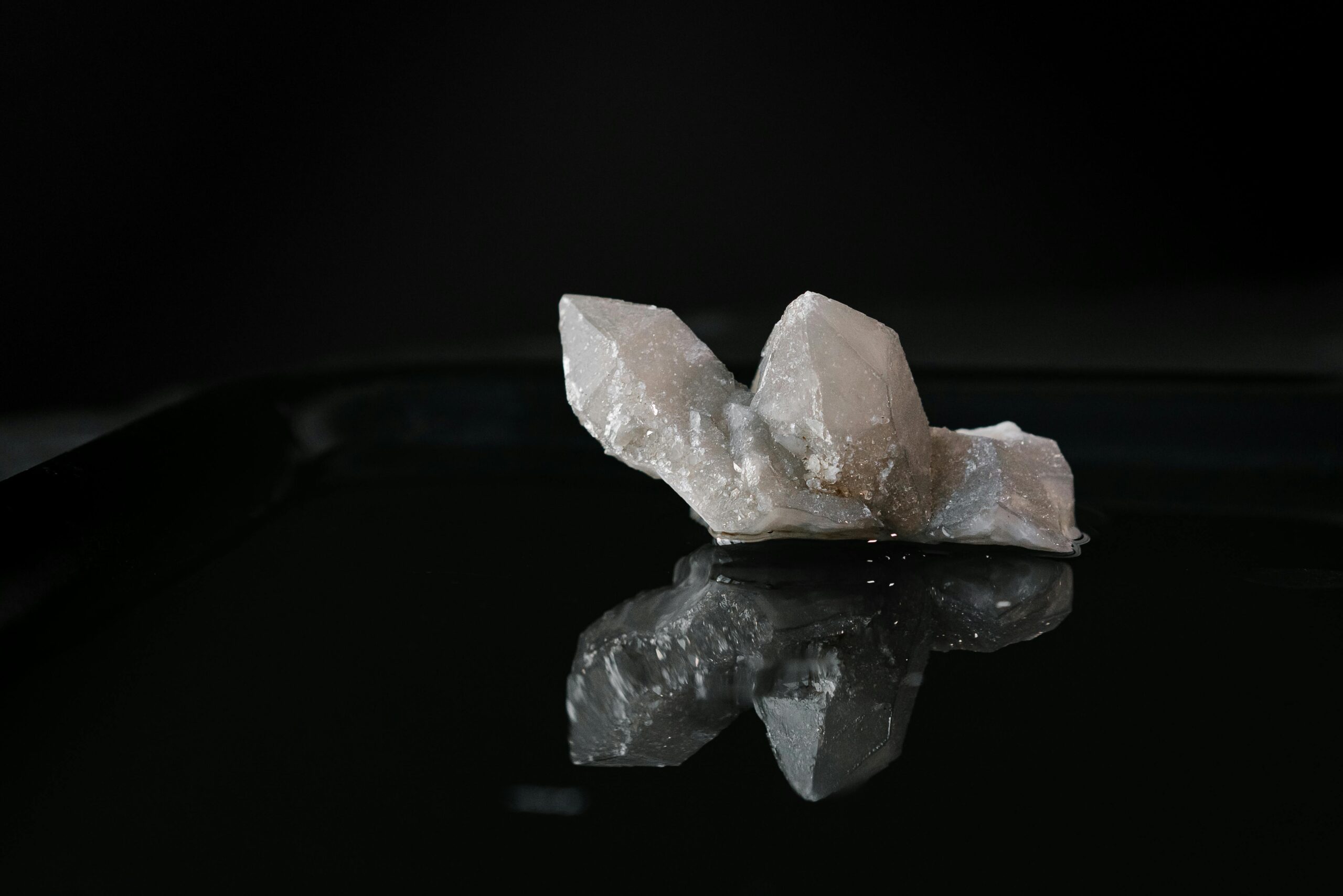
Kesterite, also called CZTSSe, is a material that absorbs light in solar cells. It contains common elements like copper, tin, zinc, and selenium. Unlike other solar materials, there are no expected supply shortages for kesterite in the future.
READ ALSO: https://modernmechanics24.com/post/israel-bluewhale-hunts-undetected-ships/
The main challenge with kesterite has been uncontrollable metal ion migration. This happens when copper, tin, and zinc ions swap positions inside the material. These movements create defects that trap energy and reduce efficiency. Over time, migrating ions can also damage other layers of the cell.
The CAS team developed a new strategy using an interfacial phase equilibrium approach. They created a thin interphase made from a lithium tin sulfide compound called Li₂SnS₃ (LTS). This layer controls how ions move, slows down reaction speeds, and helps form larger, more uniform grains. The result is fewer defects and better crystalline quality.
The improved cell achieved an exceptionally high open-circuit voltage of over 600 mV at a bandgap of 1.10 eV. High voltage means the cell extracts more energy from absorbed light. This is a significant step for kesterite technology.
The technology still faces limits. Kesterite cells remain less efficient than CIGS solar cells in mass production. The current record is for a lab-scale device, not a commercial product.
WATCH ALSO: https://modernmechanics24.com/post/wing-expands-walmart-drone-delivery/
This breakthrough matters because it points toward cheaper solar cells. Kesterite uses abundant, low-cost materials with no supply bottlenecks. The research team stated that they have built an intellectual property portfolio covering the entire LTS process, providing theoretical and technical support for future industrialization.