As humanity moves closer to long-term space travel and possible settlements on the Moon and Mars, scientists are beginning to study a deeply human question: can life begin in space?
A new study suggests that reproduction beyond Earth may be far more complex than imagined.
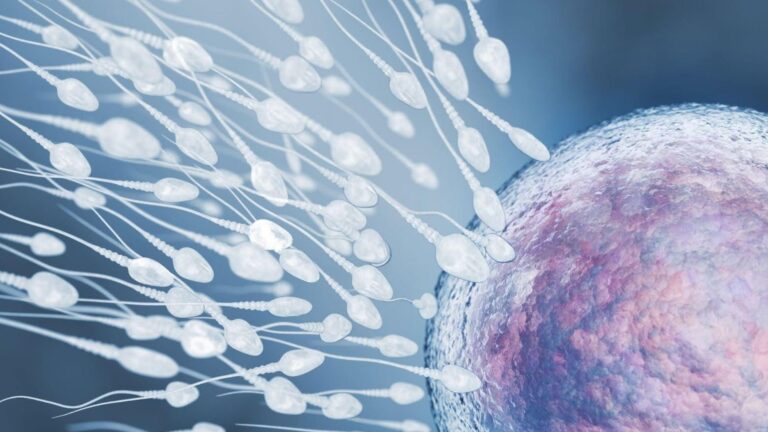
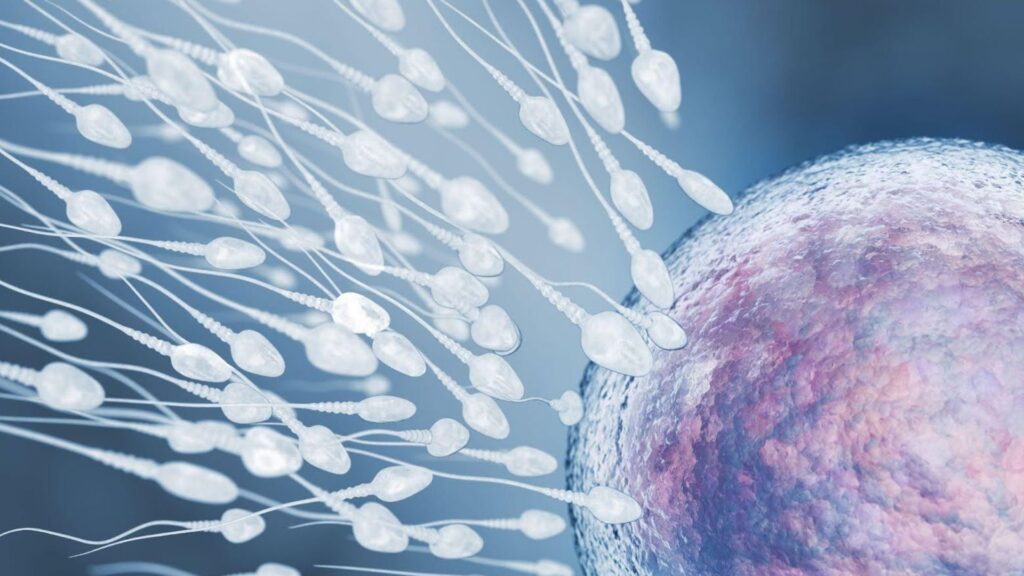
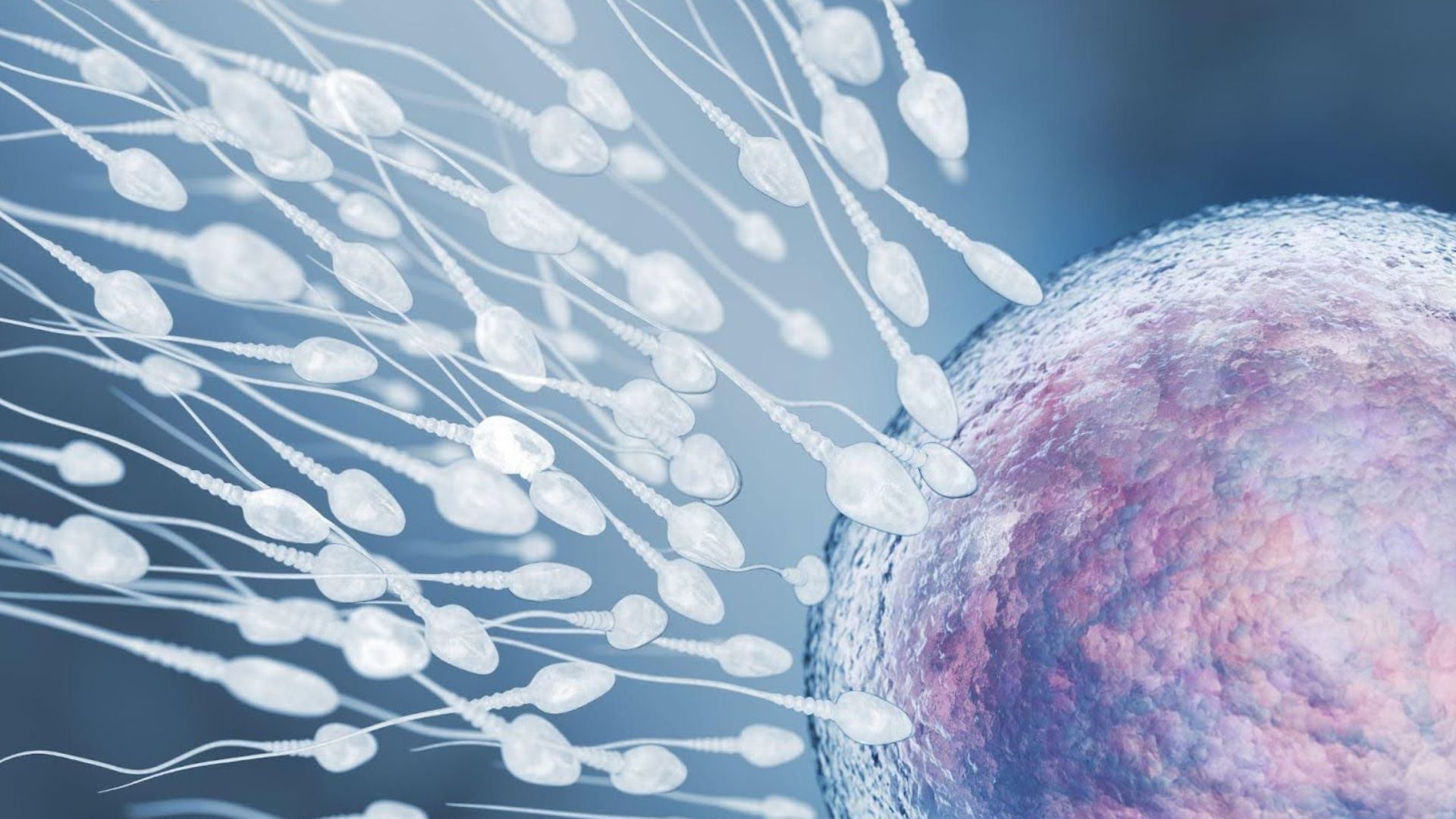
Researchers in Australia have found that sperm struggle to move effectively in conditions mimicking microgravity. Their findings raise important questions about whether humans can conceive naturally in space.
To understand the problem, scientists created a tiny plastic chamber that resembles the female reproductive tract. They described it as a miniature obstacle course.
“Sperm are introduced at one end and must swim through to reach the other,” said researcher Nicole McPherson from the University of Adelaide.
READ ALSO: US Self-Destructor Mines Found Near Iran; A Hidden War Tactic Emerges
The experiment included both human and mouse sperm. The chamber was placed inside a rotating device that simulates the weightlessness of space.
The results were clear. Sperm performed much worse in these conditions compared to Earth. Their ability to navigate dropped by nearly 50 percent. This led to about a 30 percent decrease in successful fertilisation.
On Earth, gravity plays a silent but important role. It helps guide movement, even at a microscopic level. In space, that natural direction disappears.
“Sperms need to actively find their way to an egg, and this study tests that ability in space-like conditions,” McPherson explained.
Despite these challenges, the study also revealed a surprising twist. The sperm that managed to complete the obstacle course appeared to be stronger and more capable. These sperm produced higher-quality embryos.
McPherson said the harsh conditions of microgravity may act like a filter.
WATCH ALSO: Humanoid Robots Are Learning to Work Like Humans in Warehouses
“It clears out weaker sperm and leaves only the strongest ones,” she noted.
However, the real challenge begins after fertilisation. The first 24 hours of embryo development showed worrying results. Fewer embryos formed, and those that did were often weaker.
“The results changed sharply after fertilisation,” McPherson said. “Embryo development suffered in microgravity.”
This suggests that while fertilisation might still be possible in space, early life development could face serious risks. Protecting embryos during these critical early stages may be the key to successful reproduction beyond Earth.
The research comes at a time when space agencies and private companies are planning long-term missions. Some even dream of permanent human settlements on other planets.
READ ALSO: 7 Days, Not Years: China’s New Code Reshapes Hypersonic Engine Design Race
There is also growing interest in space tourism. This has led to speculation about whether the first baby conceived outside Earth could be born during a commercial spaceflight. But scientists urge caution.
“We are still far from seeing the first space baby,” McPherson said. “Fertilisation is only one small part of a much bigger and more complex process.”
Much more research is needed before humans can safely reproduce in space. For now, the idea remains both fascinating and uncertain, a reminder that even the most basic aspects of life may change when we leave Earth behind.