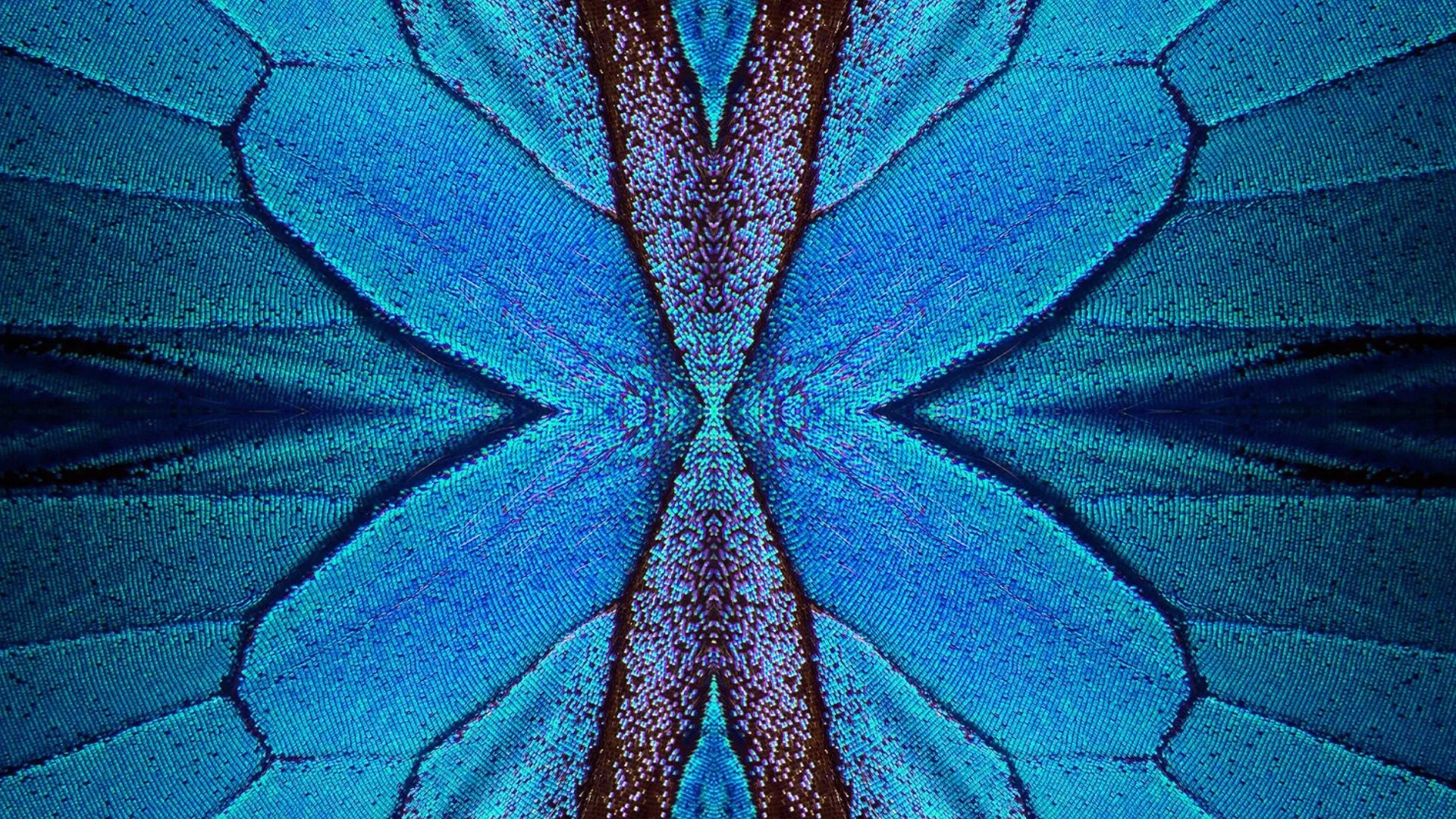
A team of researchers has turned to one of nature’s most delicate creatures, the butterfly, to design a material that is both lightweight and remarkably strong.
Scientists from Tohoku University and Wuhan University of Technology have developed a new lattice structure inspired by the vein patterns of butterfly wings.
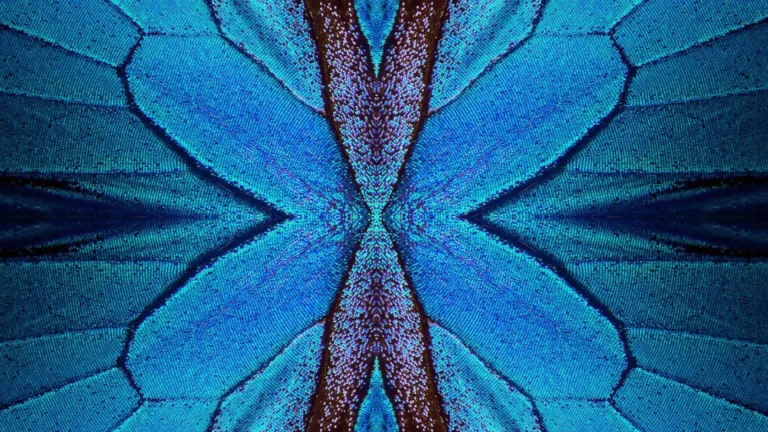
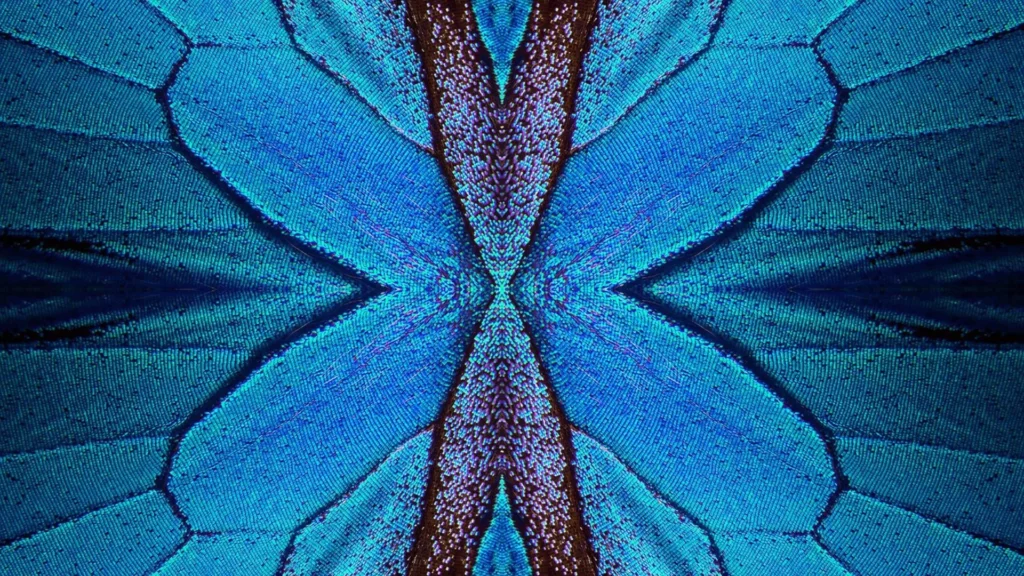
Butterfly wings may look fragile, but their vein geometry is highly efficient. It spreads stress evenly across the surface, preventing damage from concentrating in one area. Using this natural design as a model, the researchers created a butterfly-shaped body-centered cubic lattice architecture.
READ ALSO: IIT Gandhinagar Simplifies Flexible Robot Control with Low Computation
Instead of changing the material itself, the team focused on structural design. This approach is simpler and more practical. It shows that how a material is shaped can be just as important as what it is made of. The new structure improves stiffness, strength, and resistance to failure through its unique geometry.
To test their design, the researchers carried out mechanical experiments and computer simulations. The results were clear. The butterfly-inspired lattice performed much better than conventional designs under both slow compression and sudden impact.
One key feature is how the structure reacts under stress. During impact, it forms an X-shaped deformation pattern, similar to a butterfly spreading its wings. This movement helps distribute force across the structure, reducing the risk of sudden collapse. As a result, the material absorbs more energy and lasts longer under pressure.
“This design shows a much greater resistance to sudden mechanical loading,” said Eric Jianfeng Chen of Tohoku University. He explained that most lightweight lattice materials struggle with issues such as local buckling and shock, but this structure handles them more effectively.
WATCH ALSO: Humanoid robot folds towel autonomously after observing human
The findings open new possibilities for designing lightweight, impact-resistant materials. These could be used in aircraft, protective gear, and advanced engineering systems. The concept is especially relevant for earthquake-prone regions like Japan, where energy-absorbing structures are crucial for safety.
The study was published on January 27, 2026, in the International Journal of Mechanical Sciences. It was made open access with support from Tohoku University’s FY2025 Open Access Promotion Support Program.