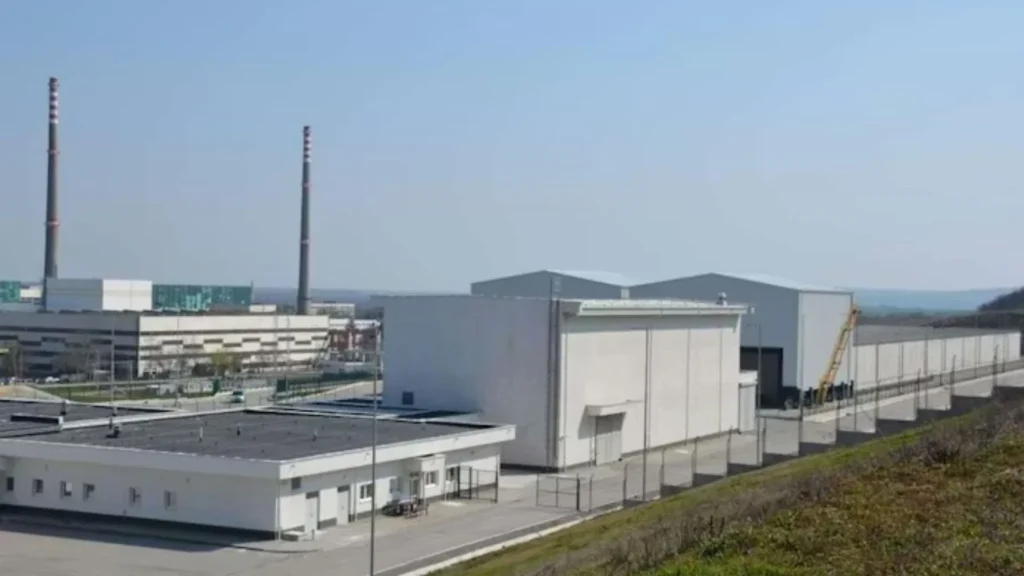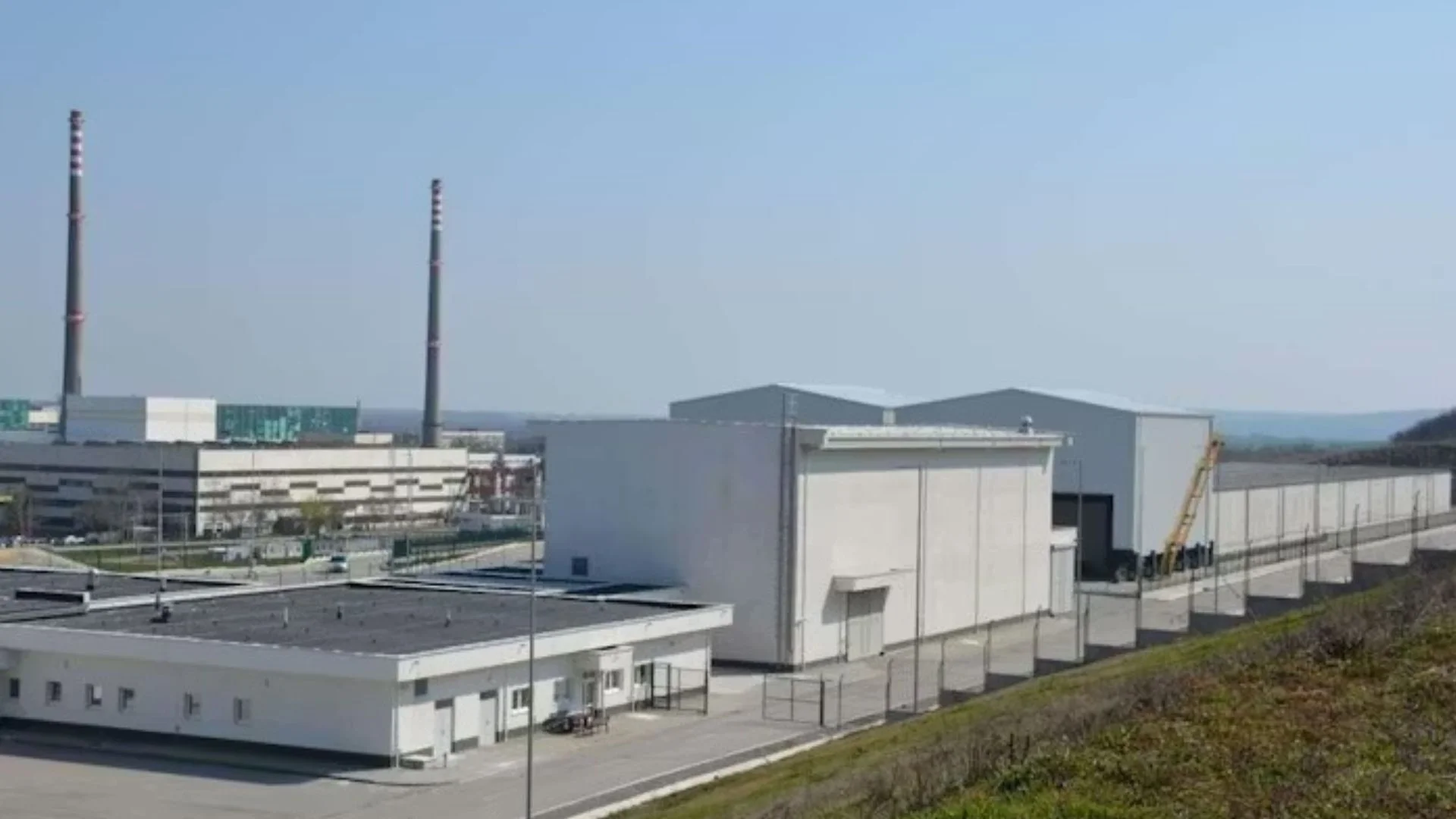
Bulgaria has received a certificate confirming that its national repository for low- and intermediate-level radioactive waste is ready for commissioning. The announcement marks the completion of a project launched in 2005, clearing a key hurdle for the country’s plans to build new nuclear reactors.
The certification was issued by a 23-member state acceptance commission, which verified that the facility complies with construction permits and requirements. The project was overseen by the State Enterprise for Radioactive Waste (SERAW) , the body responsible for managing Bulgaria’s radioactive waste.
READ ALSO: Cyprus Seeks 180 French Armored Vehicles with EU Funding
The new repository solves a long‑standing problem: the need for a secure, dedicated site to store radioactive waste that does not require permanent burial. Without such a facility, Bulgaria’s ambition to expand nuclear power would face significant regulatory and logistical challenges.
The repository is located near the Kozloduy nuclear power station, about 180 kilometers north of Sofia. It will hold waste from industry, medicine, and households, as well as material generated from decommissioning older reactors and from future nuclear operations. It will not store high‑level waste or used nuclear fuel.
With a total capacity of 138,200 cubic metres, the facility is expected to operate for about 60 years. After that, it will be closed and monitored for another 300 years. This long‑term approach ensures safety while allowing the country to manage its nuclear legacy responsibly.
WATCH ALSO: MIT engineers have developed a new insect-scale aerial microrobot
Currently, the repository is ready for commissioning but still requires a permit to use the facility and a commissioning permit from Bulgaria’s Nuclear Regulatory Agency. Those final regulatory steps are expected in the coming months.
The availability of this repository is a critical piece of Bulgaria’s broader nuclear strategy. The country is planning to build two new reactor units at Kozloduy using Westinghouse AP1000 technology, with construction led by Hyundai E&C. Having a secure waste storage option removes a major obstacle and supports the long‑term sustainability of the country’s nuclear energy sector.