In a landmark move for humanoid robotics, Boston Dynamics’ Atlas robot has graduated from viral demos to real-world industrial work at a Hyundai factory in Savannah, Georgia. The 5’9”, 200-pound machine is now performing tasks on an active auto assembly line, showcasing a dramatic evolution in its speed, agility, and practical application.
If you remember the stiff, groundbreaking backflips of the early Atlas robot, you’re in for a shock. CBS 60 Minutes correspondent Bill Whitaker recently walked into the Hyundai auto plant south of Savannah, Georgia, and found a familiar face already on the job. No longer just a lab wonder, the iconic Boston Dynamics humanoid is tackling real-world manufacturing work for the first time. This isn’t a controlled demo; it’s a historic debut on the factory floor.
The transformation since 60 Minutes first visited Boston Dynamics in 2021 is staggering. Back then, the original Atlas could run and jump, but its movements were rigid. The 2026 model Whitaker observed moves with a fluid, almost effortless grace. It runs smoothly, performs complex flips, and even dances the Macarena. This leap in capability is no accident. Robert Playter, CEO of Boston Dynamics, explained the philosophy driving this flexibility. His engineers designed revolutionary joints that “can turn continuously and without constraint,” freeing the robot from the mechanical limitations that once defined it.
READ ALSO: https://modernmechanics24.com/post/wrap-mithril-safe-drone-human-interdiction/
The practical engineering challenges were immense. Scott Kuindersma, head of robotics research at Boston Dynamics, detailed one critical fix during lab sessions: preventing internal cables from getting caught and breaking in the moving joints—a problem that “used to break all the time.” Today, engineers train Atlas using VR headsets to guide it remotely through tasks like stacking cups or tying knots. The robot then learns to perform these actions autonomously, powered by ultra-fast AI chips that process real-time sensory data and make instantaneous adjustments.
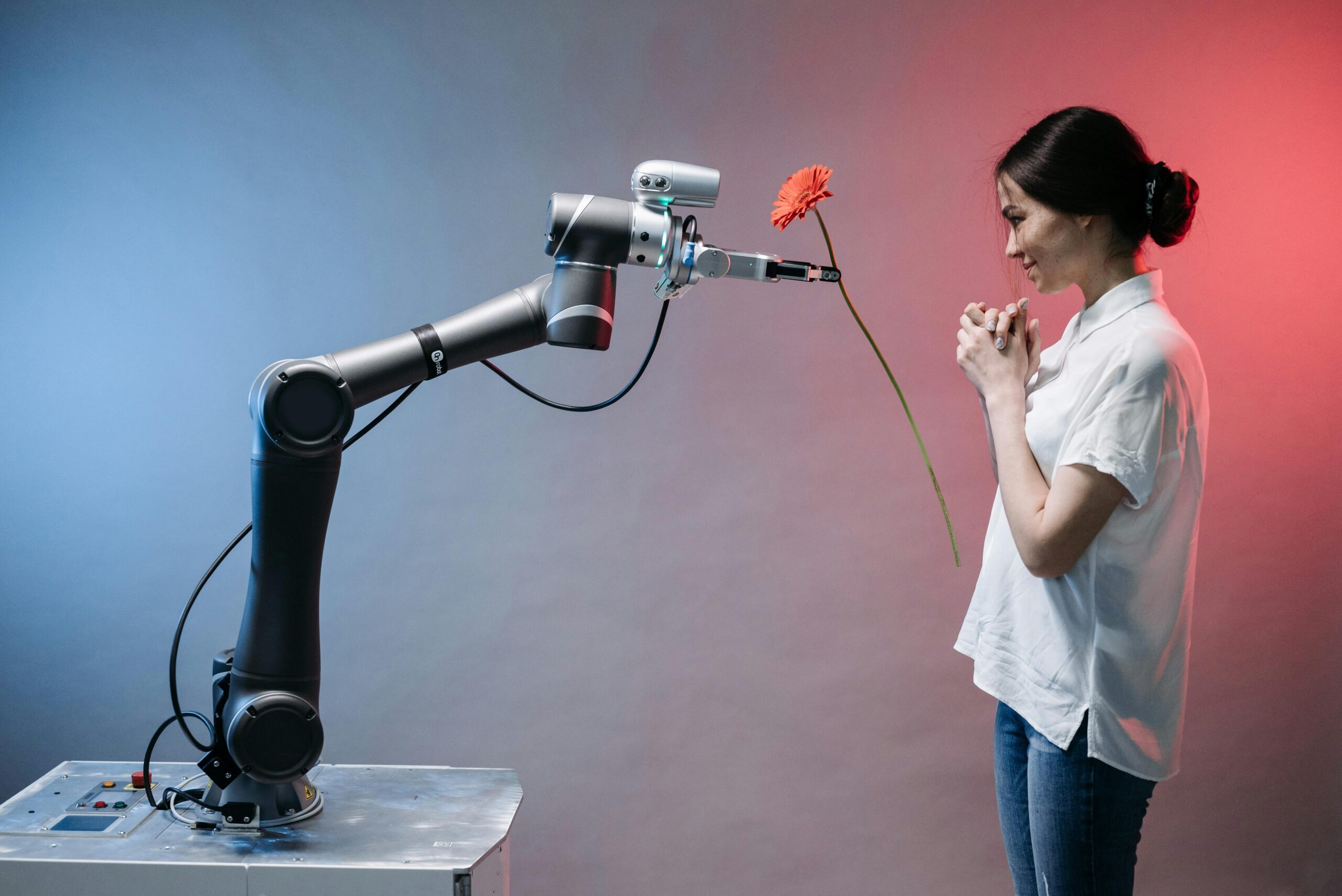
A key to its new utility is its sophisticated hand. Atlas features a three-fingered design that can morph its shape. Fingers can swing together for a precision grip on small parts or spread wide to grasp larger objects. Tactile sensors in the fingertips provide pressure feedback to the robot’s neural network, allowing it to apply just the right amount of force—a crucial skill for handling delicate auto components without crushing or dropping them. Kuindersma likens this adaptability to the human hand, which maintains a basic structure but constantly reconfigures for different tasks.
WATCH ALSO: https://modernmechanics24.com/post/us-deadly-strike-isis-nigeria/
Hyundai’s acquisition of Boston Dynamics in 2021 has clearly steered Atlas toward this practical destiny. The project’s goal has shifted from spectacle to solution, with the Savannah factory serving as the ultimate proving ground. The aim is no longer just to see what Atlas can do, but to prove what it should do—taking on dangerous, dull, or difficult jobs that human workers cannot or should not perform. As Playter noted, the team is focused on “creating robots that can perform tasks that people cannot,” a vision now being tested one real-world assembly line task at a time.