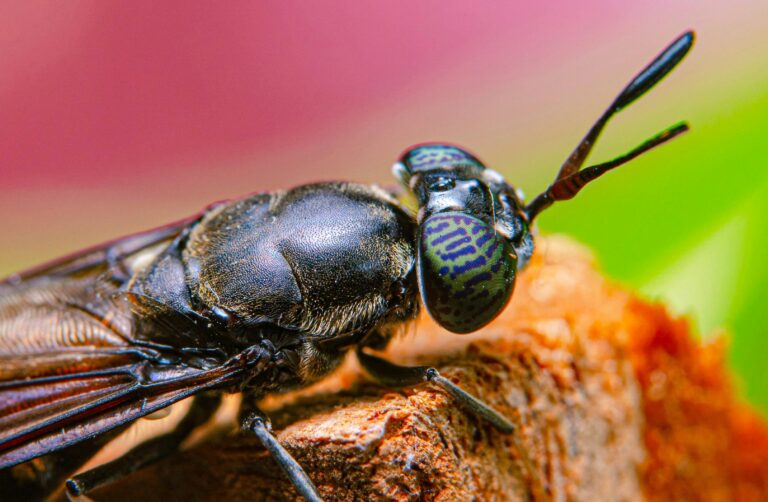
Texas A&M University researchers are turning to an unlikely hero to clean contaminated soil: black soldier fly larvae. The multi-million dollar project, supported by the WoodNext Foundation, brings together experts in insects, sensors, robotics, and artificial intelligence to reclaim harsh environments once considered lost.
If successful, the method could restore polluted land for farming and development, and even help future astronauts grow food on the Moon or Mars. The problem is simple but urgent. Industrial pollution, mining waste, and decades of chemical use have left large areas of land toxic. Cleaning them up is slow, expensive, and sometimes dangerous for workers.
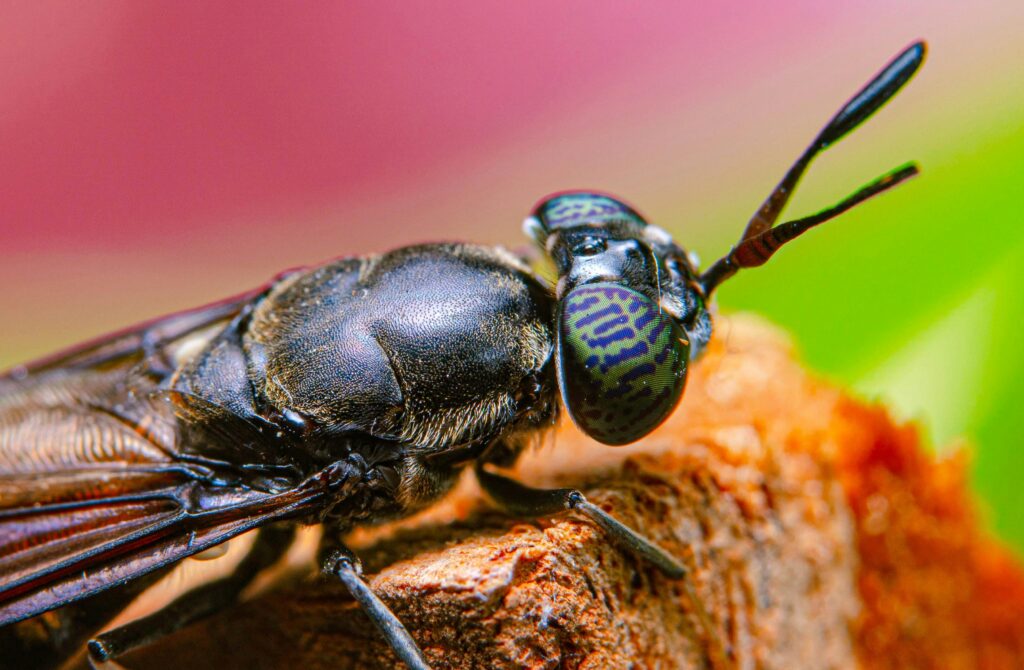
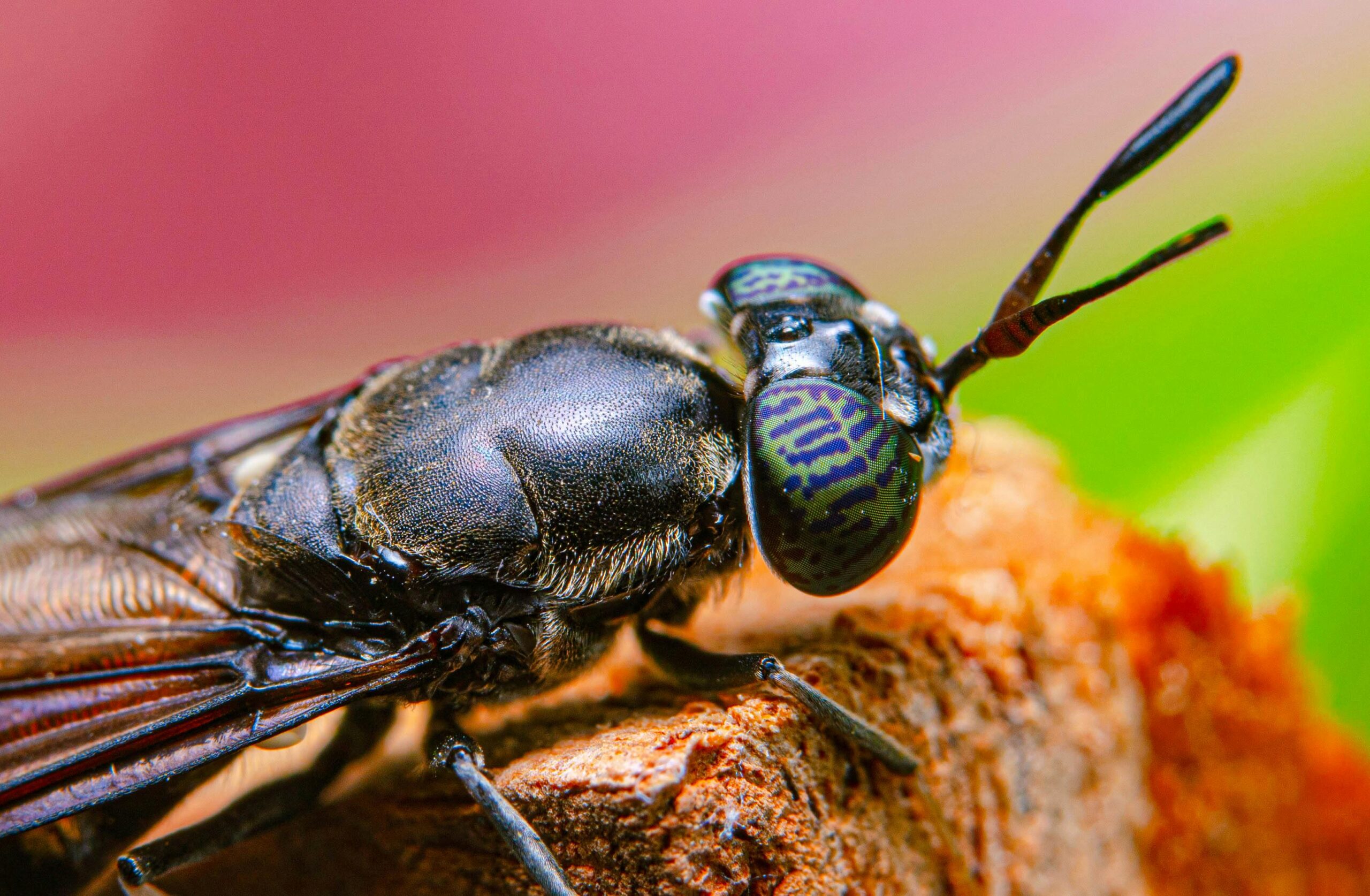
Dr. Jeffery Tomberlin, a professor in the Texas A&M College of Agriculture and Life Sciences Department of Entomology, believes insects can help. He leads the biological side of the project, using black soldier fly larvae to remove toxic substances from the environment.
Tomberlin knows these insects well. He also directs the National Science Foundation Center for Insect Biomanufacturing and Innovation. His team studies how larvae consume waste and break down harmful chemicals in the process.
READ ALSO: https://modernmechanics24.com/post/robot-dogs-guard-fans-fifa-world-cup/
“We live in a changing world where land is limited,” Tomberlin explains. “By reclaiming extreme terrestrial environments, we are creating resources for humanity.”
The vision goes beyond Earth. Tomberlin says the same methods could work in orbit, on the Moon, or on Mars, helping space missions recycle waste and grow food in harsh conditions. But larvae alone cannot do the job. The team needs to know exactly what is happening in the soil. That is where sensors come in.
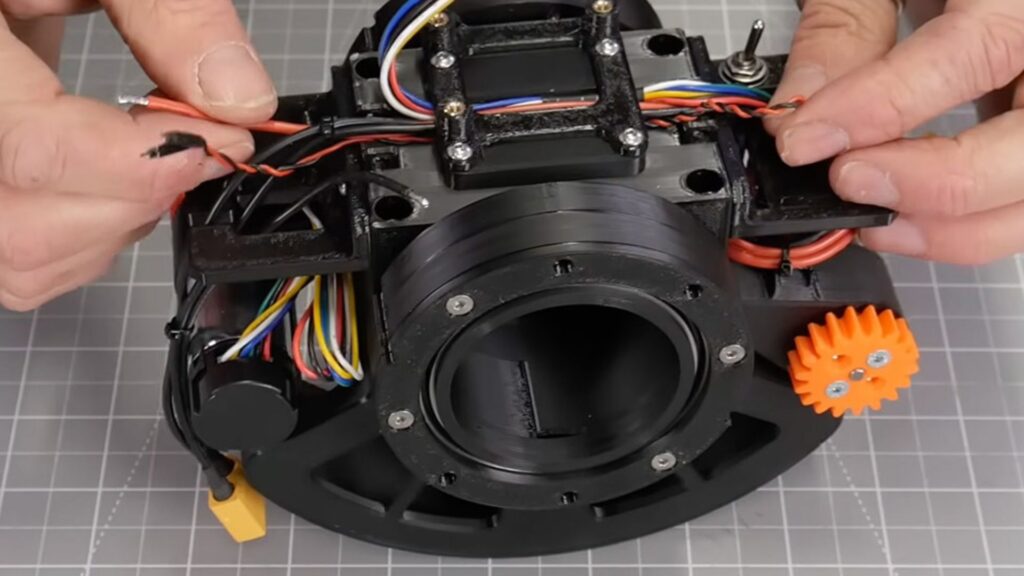
Aguilar, a researcher on the project, is developing advanced soil sensors. These devices will measure soil composition, contaminant levels, and nutrient changes in real time. Land managers will finally see what is happening underground without digging and waiting for lab results.
“The successful contaminant removal and soil restoration this project intends to achieve will empower land managers, farmers and governments to address polluted environments previously regarded as lost,” Aguilar says.
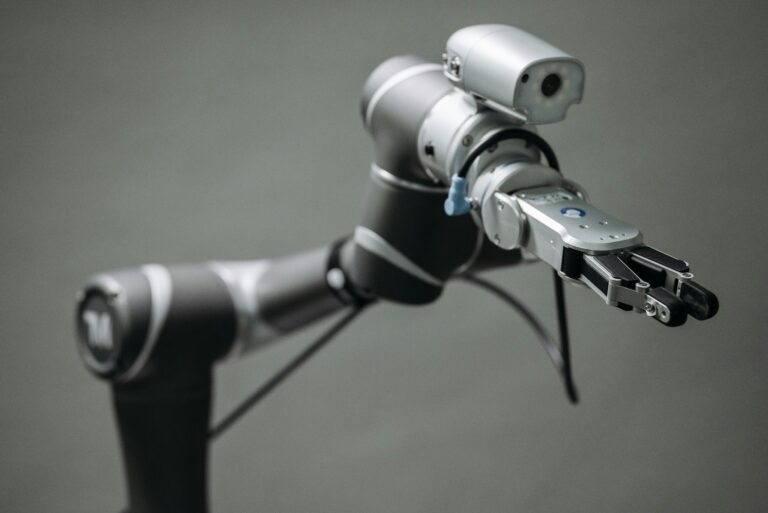
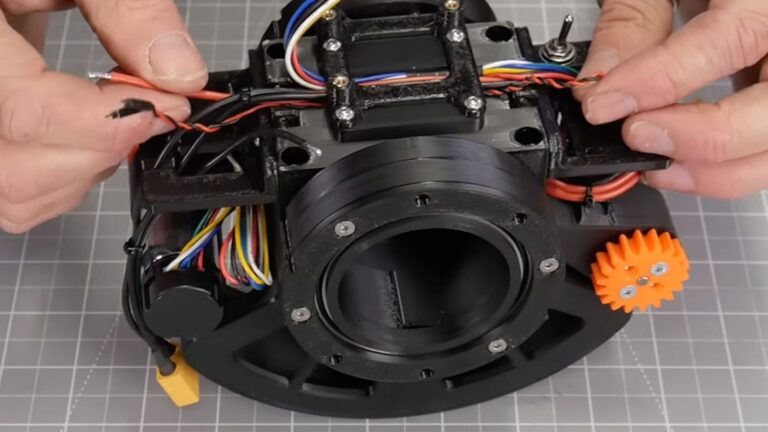
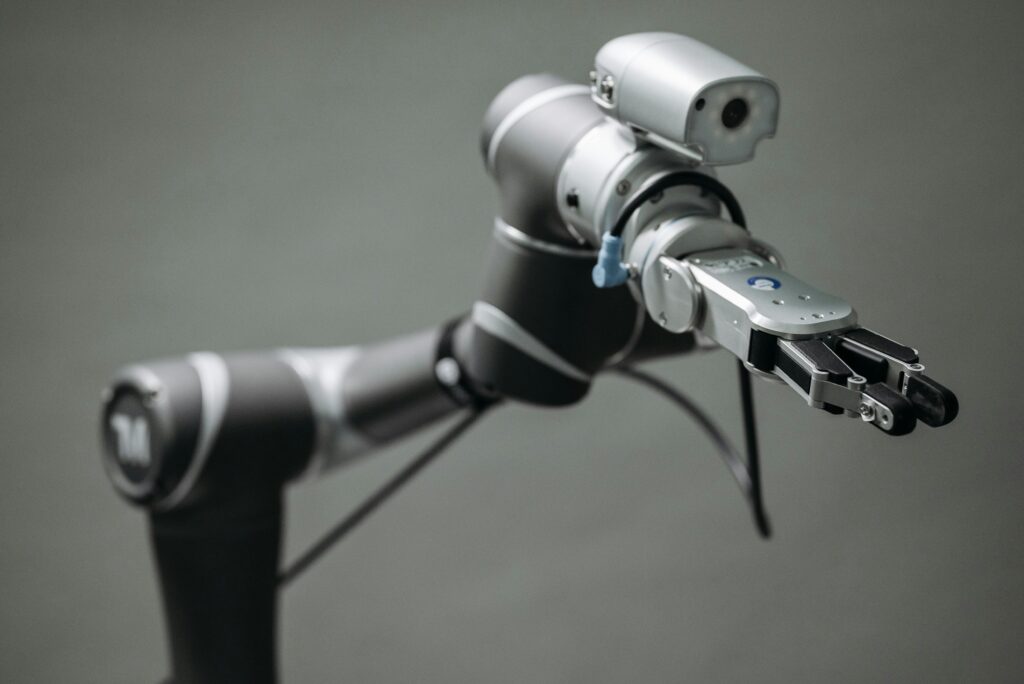
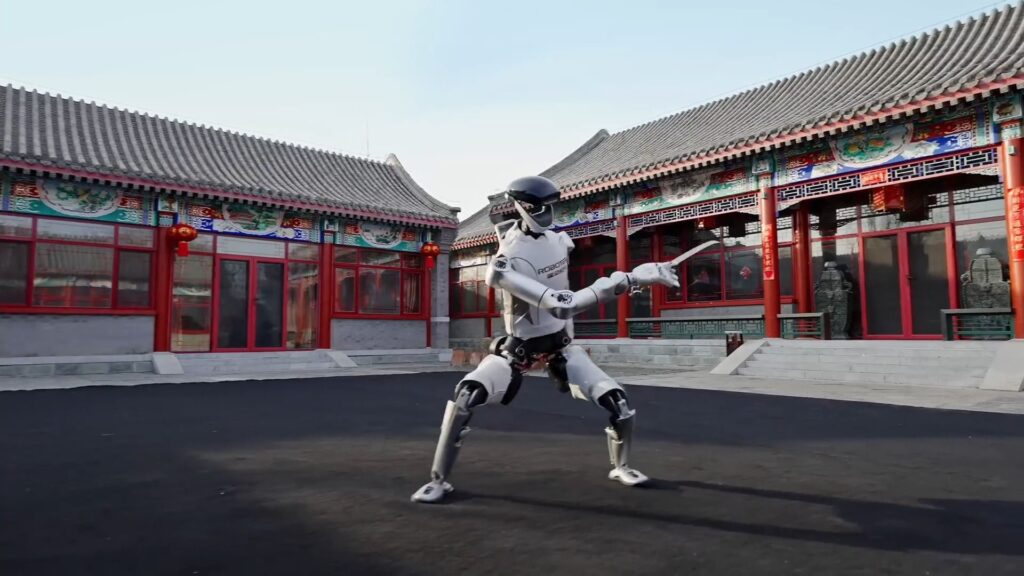
All that sensor data feeds into robots. Dr. Minghui Zheng, an associate professor in mechanical engineering, builds the robotic systems that will do the actual cleanup. Her robots move across polluted sites, spread larvae where needed, and track progress.
Zheng describes these machines as the “physical backbone” of the project. They work on their own, adapting to changing conditions with little human help. That matters because polluted sites are often dangerous places to work.
WATCH ALSO: https://modernmechanics24.com/post/chinese-firm-unveils-humanoid-robot-that-mimics-meditation/
“By shifting labor-intensive and potentially dangerous tasks to automated robotic platforms, the technologies developed here can significantly reduce human exposure to hazardous environments,” Zheng notes.
Making all these pieces work together requires intelligence. Dr. Xiao Liang, an assistant professor in civil and environmental engineering, leads the artificial intelligence part of the project. His AI platform takes data from sensors, studies what the robots see, and decides what to do next.
Should the robots move more larvae to a certain spot? Is the soil getting cleaner in one area but not another? Liang’s machine learning models figure that out and adjust the work automatically.
The system is designed to run with almost no human input. That makes it scalable. One person could oversee cleanup across hundreds of acres instead of directing every move.
For now, the project is still in development. The team is testing how larvae perform in different soils and contaminants. Sensors need to survive rough conditions and send reliable data. Robots must navigate uneven ground without getting stuck. AI models need thousands of data points to learn and improve.
But the potential is enormous. Farmers could bring abandoned fields back into production. City planners could safely build on former industrial sites. Governments could clean up pollution without risking worker health.
And if Tomberlin’s bigger dream comes true, astronauts on Mars might one day watch black soldier fly larvae turn waste into healthy soil, right there in the red dust.