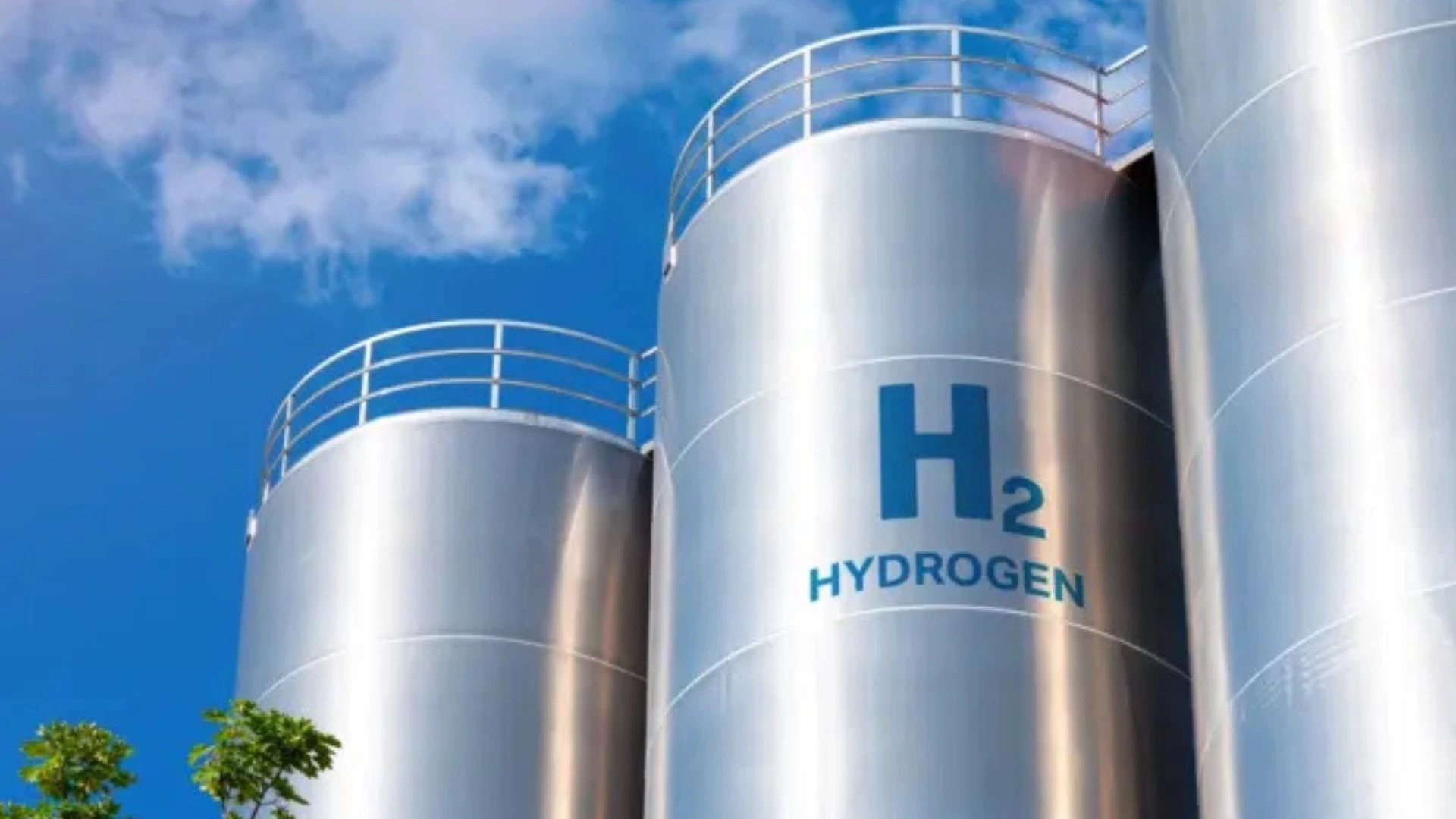
A new study has revealed that southern Germany may hold far greater hydrogen storage potential than previously believed.
Researchers have identified geological formations in Bavaria that can store large amounts of hydrogen, offering an alternative to the well-known salt caverns in northern Germany.
The findings come from a joint study conducted by the Technical University of Munich and the University of Leoben. The research was carried out on behalf of the Bavarian Ministry of Economic Affairs as part of the SpeicherCHeck project, which is set to continue until 2027.
As countries move toward renewable energy, storage has become a major challenge. Energy generated from sources like wind and solar is not always available when needed.
READ ALSO: US $200M MQ-4C Triton With 50,000 ft Eye Vanishes Mid-Air Over Strait of Hormuz
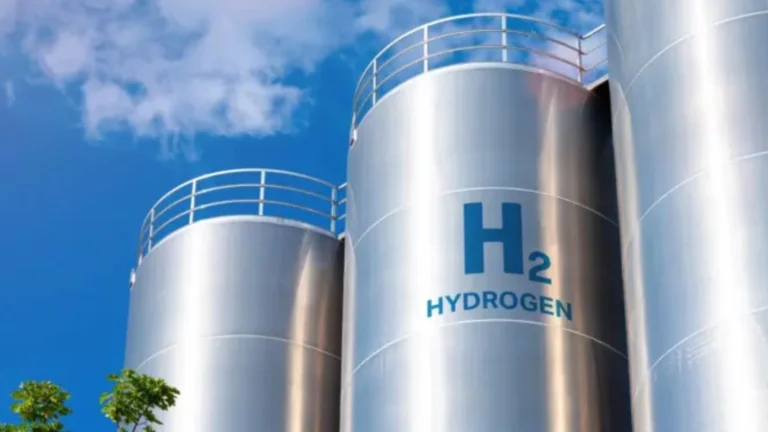
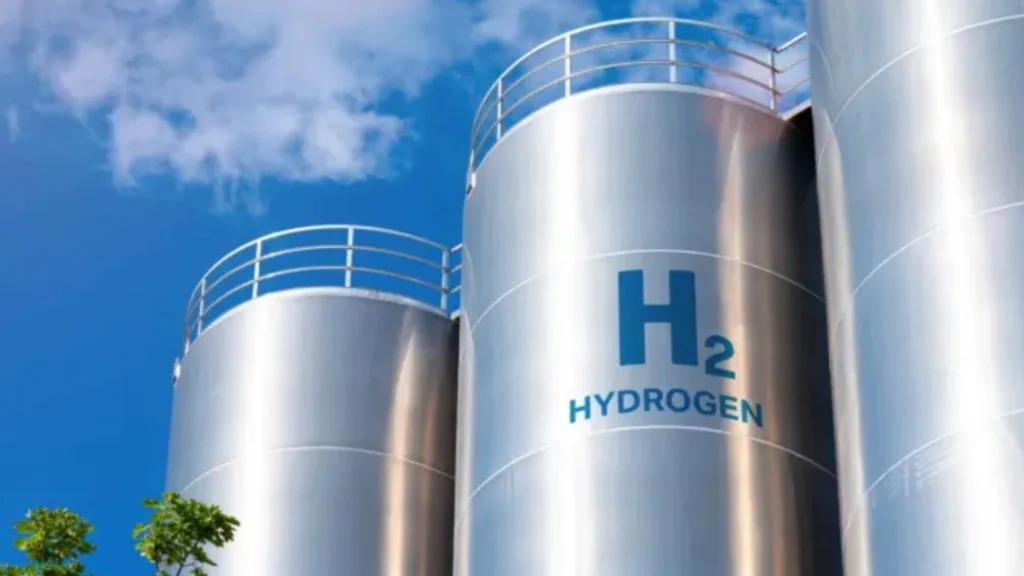
One solution is to convert this energy into hydrogen, which can be stored and used later. However, storing hydrogen safely and in large quantities requires suitable underground locations.
Geological storage is considered one of the most effective options. It allows hydrogen to be stored deep underground in natural formations, making it available during periods of high demand.
Until now, much of the focus in Germany has been on salt caverns in the north. These have been seen as the primary solution for large-scale hydrogen storage.
The new study suggests that this approach may need to be expanded.
Researchers examined former oil and gas fields and active natural gas storage sites in Bavaria. Their goal was to determine whether these locations could safely store hydrogen. The results show that several sites in southern Bavaria are highly suitable.
READ ALSO: Durham University Introduces Alan Humanoid Robot for AI and Assistive Research
In particular, natural gas porous storage facilities located in the Alpine foothills stood out. Sites such as Bierwang and Inzenham were identified as especially promising. These facilities already store natural gas in underground porous rock formations, meaning much of the infrastructure required for hydrogen storage is already in place.
Natural gas porous storage uses rock layers with tiny spaces where gas can be stored. These formations have been used for years to store excess natural gas and release it when demand rises. This existing system makes them a strong candidate for hydrogen storage with minimal modification.
The study estimates that the total hydrogen storage potential of the examined sites ranges between 12.6 and 25.2 terawatt-hours (TWh). While this is lower than the 33 TWh capacity of northern Germany’s salt caverns, as estimated by the National Hydrogen Council, it still represents a significant addition.
More importantly, it helps distribute storage capacity more evenly across the country.
Michael Drews, Professor of Geothermal Technologies at the Technical University of Munich, highlighted the importance of the findings. He said, “Our results show that southern Germany also has very good conditions for geological hydrogen storage.” He added that the porous reservoirs in Bavaria can support the development of a more balanced and secure energy system.
David Misch from the University of Leoben also emphasized the broader impact of the research. He said, “The participation of the University of Leoben in the project brings valuable cross-border insights and helps develop urgently needed storage capacities.” He noted that the findings could also support other applications of underground storage technologies.
The study is seen as strategically important for Bavaria’s energy future. As Germany works to reduce its dependence on fossil fuels, hydrogen is expected to play a key role in the transition. Reliable storage will be essential to ensure a steady energy supply.
Bavaria’s Minister of Economic Affairs, Hubert Aiwanger, stressed the urgency of building storage capacity. He said, “To establish a sustainable hydrogen supply, we will depend on large underground storage capacities.” He added that existing natural gas storage facilities in Bavaria already show strong potential for hydrogen use.
WATCH ALSO: The Future of Work: Robots That Think, Move, and Learn Like Humans
Aiwanger also pointed out that these facilities must be preserved during the transition period. He said they will continue to support natural gas supply in the short term, while gradually shifting toward hydrogen storage in the future.
The study marks an important step in expanding Germany’s hydrogen infrastructure. Identifying new storage options in the south opens the door to a more resilient, geographically balanced energy system.
As the world accelerates its shift toward clean energy, findings like these underscore the importance of using existing resources more efficiently. Bavaria’s underground formations may soon become a key part of Europe’s hydrogen future.